A goddess in the hills
The forested range rising beyond the water takes its name, according to Jharkhand Tourism, from Dalma Mai, a local goddess. The Dalma Wildlife Sanctuary that covers these hills carries the same name.

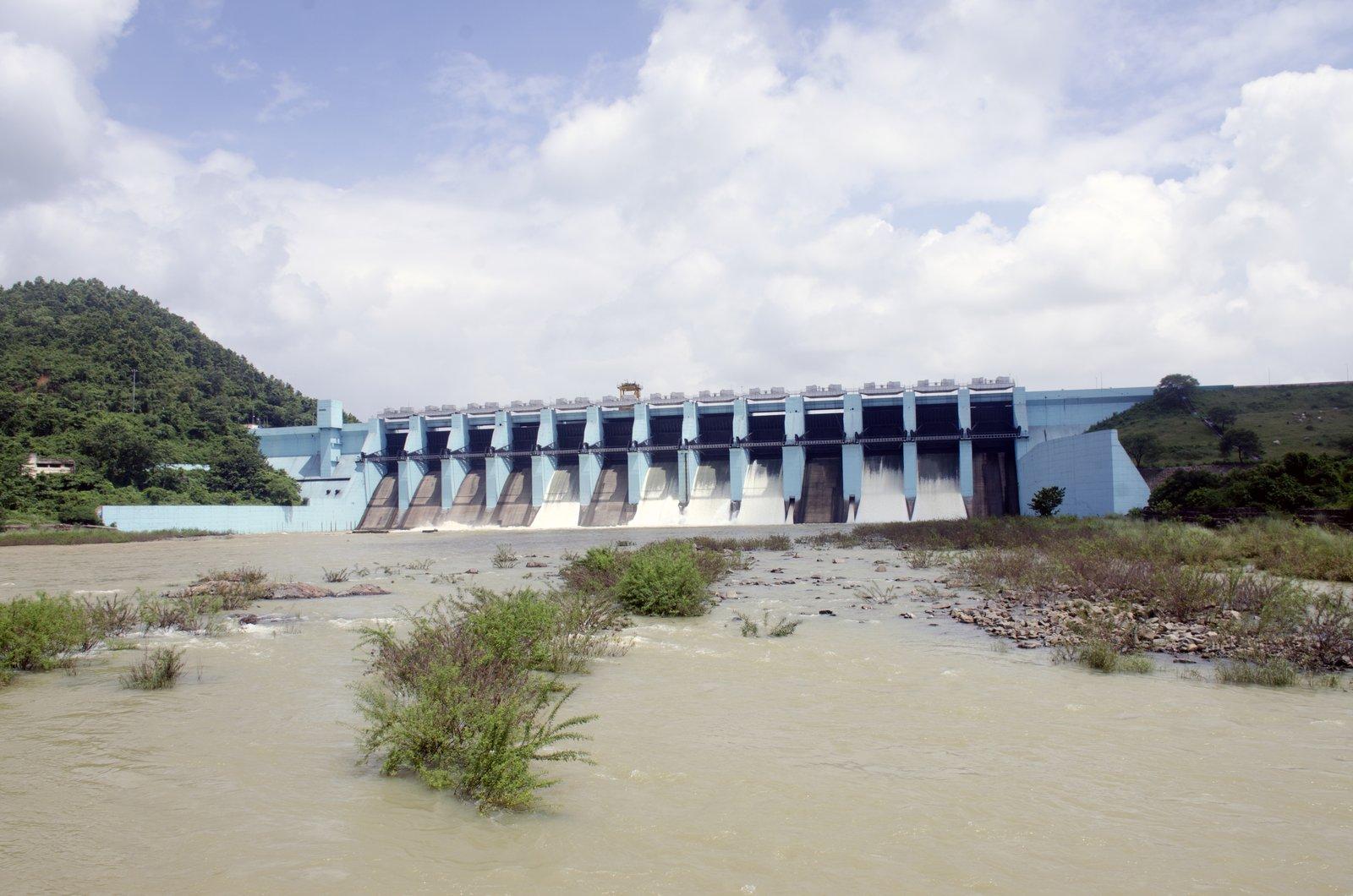
Photo: Rangan Datta Wiki, CC BY-SA 4.0
Dam
A broad Subarnarekha reservoir beneath the Dalma Hills, with boat rides.
Overview
Dam
Chandil Dam holds back the Subarnarekha near the town of Chandil, in Jharkhand's Seraikela-Kharsawan district, as part of the Subarnarekha Multipurpose Project. The Dalma Hills look down on a wide reservoir scattered with forested islands. Boat rides, fish farms in floating cages and a small hilltop museum of finds from the dam's excavations make it one of the most visited places in Jharkhand.
By gross storage, about 1,500 million cubic metres, Chandil is the largest of Jharkhand's dams. The visitor area is on the eastern shore, right beside the dam wall. From a paid car park a broad path slopes down to the boating jetty and a set of concrete ghats, lined on both sides with small cafés and shops selling snacks and drinks.
Jharkhand Tourism describes Chandil as a popular quick getaway for travellers from Jharkhand, West Bengal and Odisha, often combined with visits to nearby pilgrim centres; for most, a visit means a picnic and a boat ride. Chandil has been chosen as Jharkhand's eco-tourism project under the Ministry of Tourism's Swadesh Darshan 2.0 scheme, with plans to add outdoor and educational experiences.
Past & present
History & stories
The dam is part of the Subarnarekha Multipurpose Project, sponsored jointly by Bihar (now Jharkhand), Odisha and West Bengal under an agreement signed in 1978. Its main works are Chandil Dam and the Galudih Barrage on the Subarnarekha, and Icha Dam and the Kharkai Barrage on the Kharkai, with a network of canals. Work on the project began in 1982-83. The dam itself is about 720 m long and 56.5 m high.
The reservoir came at a heavy cost. Figures from the project office, reported in 2019, put the displacement at 116 villages and 19,115 families, and many were still waiting for rehabilitation four decades on. The project has faced protests since its early years.
Some of the displaced formed a fishing cooperative in 2005; the right to fish in the water that now covered their land had been one of their demands. A pilot cage-farming project followed in 2007, and from 2011 the state subsidised floating cages for the cooperative. Jharkhand Tourism says it now supports about 2,000 families, one of the first examples of cage culture in a reservoir run by displaced people.
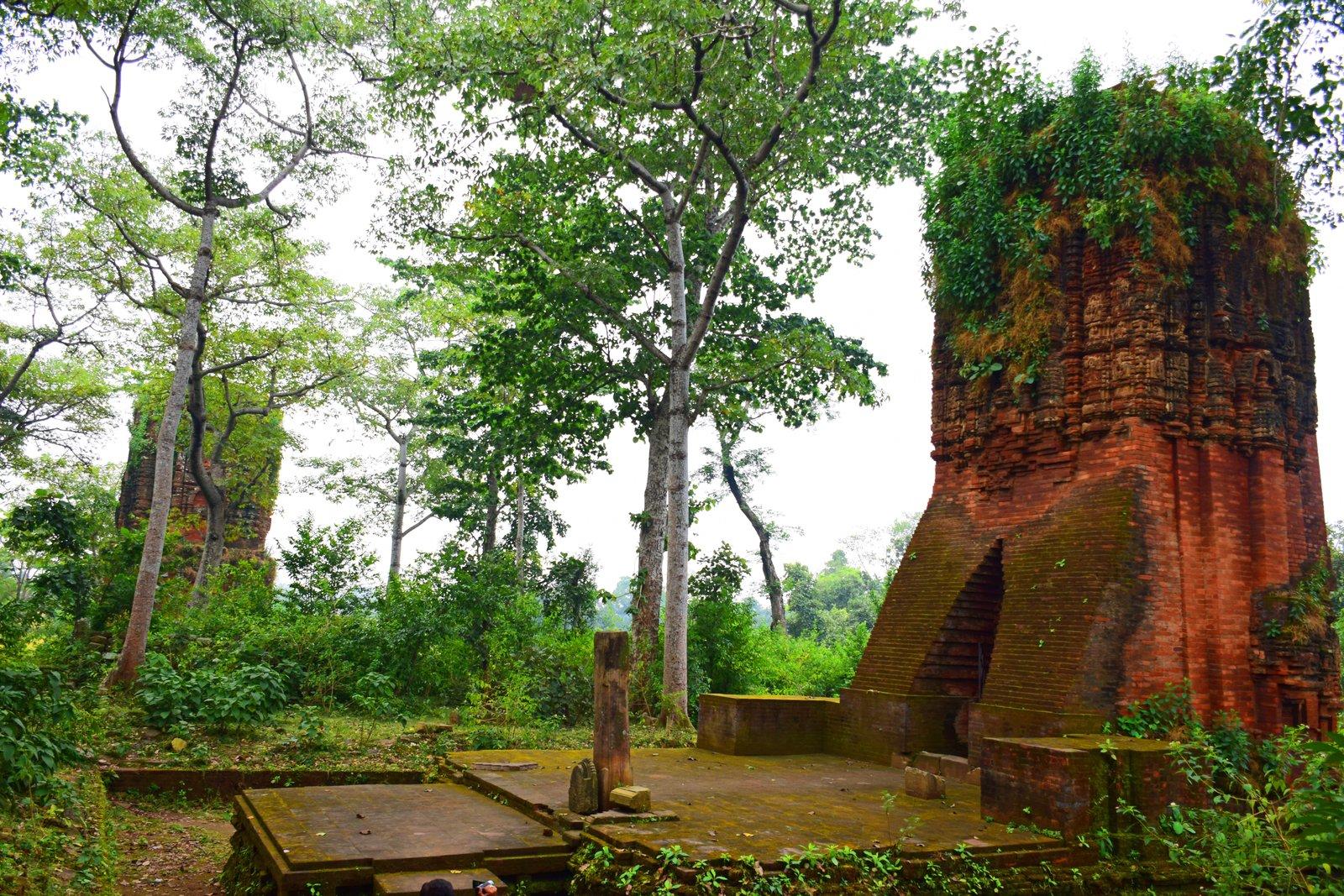
Long before the dam, this country belonged to the Patkum estate, whose capital was Ichagarh, in the old Manbhum district of Bengal. Excavations during the dam's construction in 1990-92 turned up Stone Age material and stone sculptures and inscriptions from roughly the 5th to the 12th centuries, now kept in the Patkum Museum.
When you're there
See & do
The boating centre beside the dam wall runs guided rides of different kinds deep into the reservoir, among forested islands. All rides are ticketed. Boating is most popular in the winter months.
Follow the forest trail beyond the jetty to the floating fish farms run by the displaced families' cooperative. Visitors can watch how the cages are worked; the main fish raised has been pangasius, a catfish.
On a hilltop next to the dam, the museum shows sculptures and inscriptions found while the dam was being built: images of Ganesha, Shiva and Parvati, Nataraja and Vishnu, Jain figures including Mahavira, and chakra inscriptions. Entry is free, though the collection is poorly kept.
Birds of many kinds gather on and around the reservoir. Jharkhand Tourism suggests bringing a pair of binoculars.
The Dalma Hills that overlook the dam form a sanctuary of about 195 sq km, beginning near Chandil and part of an elephant corridor. Elephants, barking deer and sloth bear live here, with more than 200 bird species; safaris and forest trails are run inside.
Gallery
Photos
Photos coming soon
We're putting together our own photographs of Chandil Dam. Been there with us? We'd love to see yours.
Getting there
From Rangamati
Chandil Dam is across the state line in Jharkhand, to the south of the resort — a full day out. We can arrange a cab and driver.
Before you go
Through the year
Seasons & festivals
March – June
Summers are hot, but Jharkhand Tourism notes that bird and animal sightings are more common in the hot months.
October – February
October to March is the recommended season, and winter is when boating is busiest.
Fairs & festivals
A winter harvest festival seen around the dam side and the Jayda temple. Girls decorate wooden or bamboo frames with coloured paper and offer them to a nearby river, to a large body of Tusu songs.
An annual fair at the Jayda temple, an old Shiva temple on the Ranchi-Tata road said to have been built by a raja of the Patkum estate.
Good to know
Questions
By road south-east to Balarampur, then along NH-18 into Jharkhand to Chandil. The resort can arrange a sightseeing cab or driver on request.
Yes. The boating centre on the eastern shore, next to the dam wall, runs ticketed guided rides out onto the reservoir. Boating is most popular in winter.
Official pages mention paid parking and ticketed boat rides but publish no rates. The Patkum Museum beside the dam is free.
Jharkhand Tourism recommends October to March. Summers are hot, though birds and animals are seen more often in the hot months.
The Patkum Museum stands on a hilltop next to the dam, the Dalma Wildlife Sanctuary covers the hills beyond it, and the old Jayda Shiva temple is on the Ranchi-Tata road.
Yes. The road from the resort to Dassam Falls passes Chandil and then follows the Ranchi-Tata highway towards Ranchi, so the dam can be a stop on the way.
Make a day of it
Close by
Other places close to this one, so you can see a few in a single trip.
From our travel journal
 Places to seeTravel tips
 Seasons & festivals
Sources: en.wikipedia.org · en.wikipedia.org · en.wikipedia.org · tourism.jharkhand.gov.in · seraikela.nic.in · seraikela.nic.in · cm.jharkhand.gov.in · jharkhand.gov.in · downtoearth.org.in · indiawaterportal.org · business-standard.com · router.project-osrm.org
Rangamati is your base for day trips across Purulia and Jharkhand — tell us your dates and we'll plan the drive.