An administrator named Hundru
Jharkhand Tourism records a local belief that an English administrator named Hundru once lived here, and that the falls took his name.

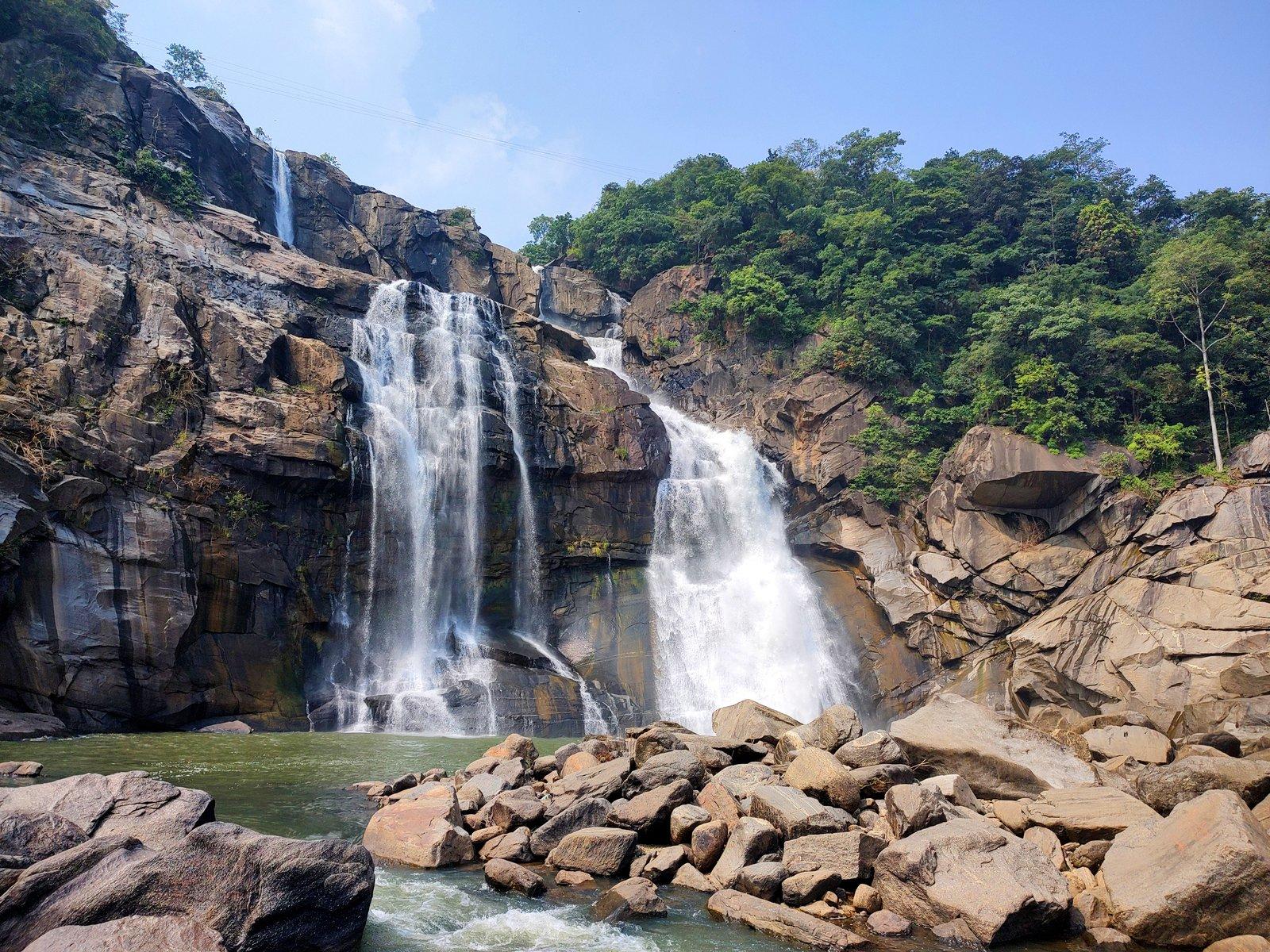
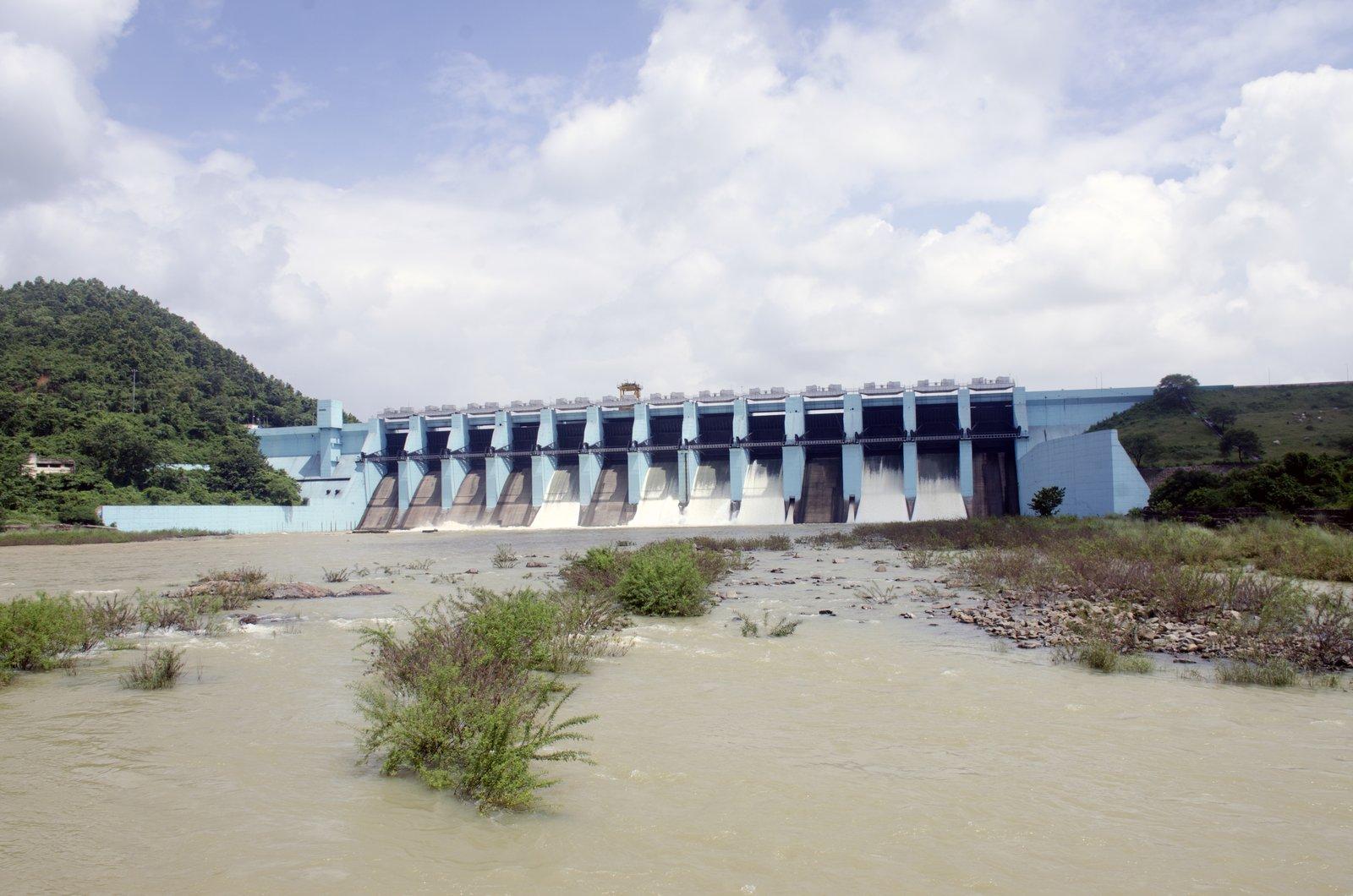
Photo: Kingshuk Mondal, CC BY 4.0
Waterfall
The Subarnarekha plunges about 98 metres off the Ranchi plateau.
Overview
Waterfall
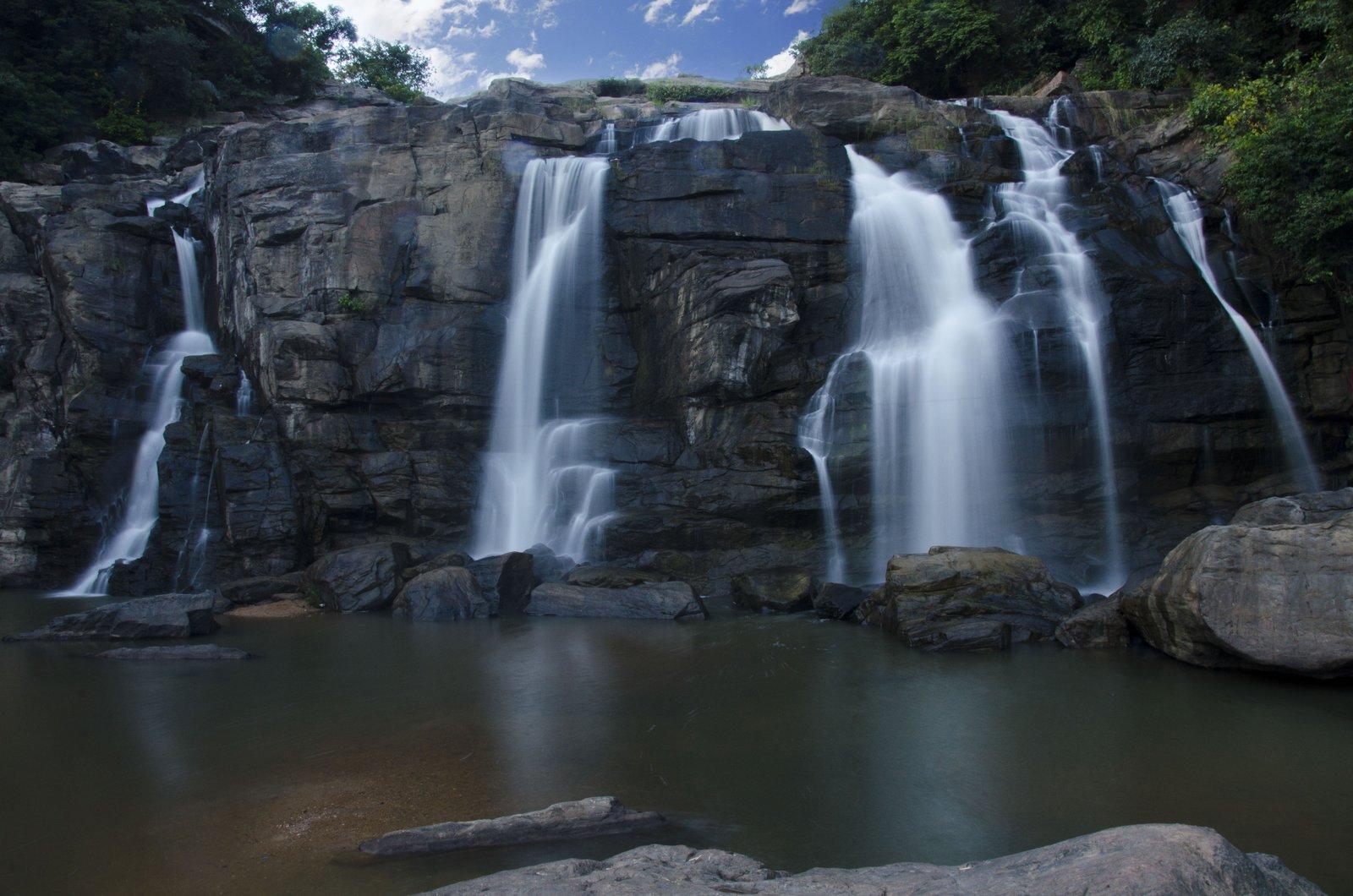
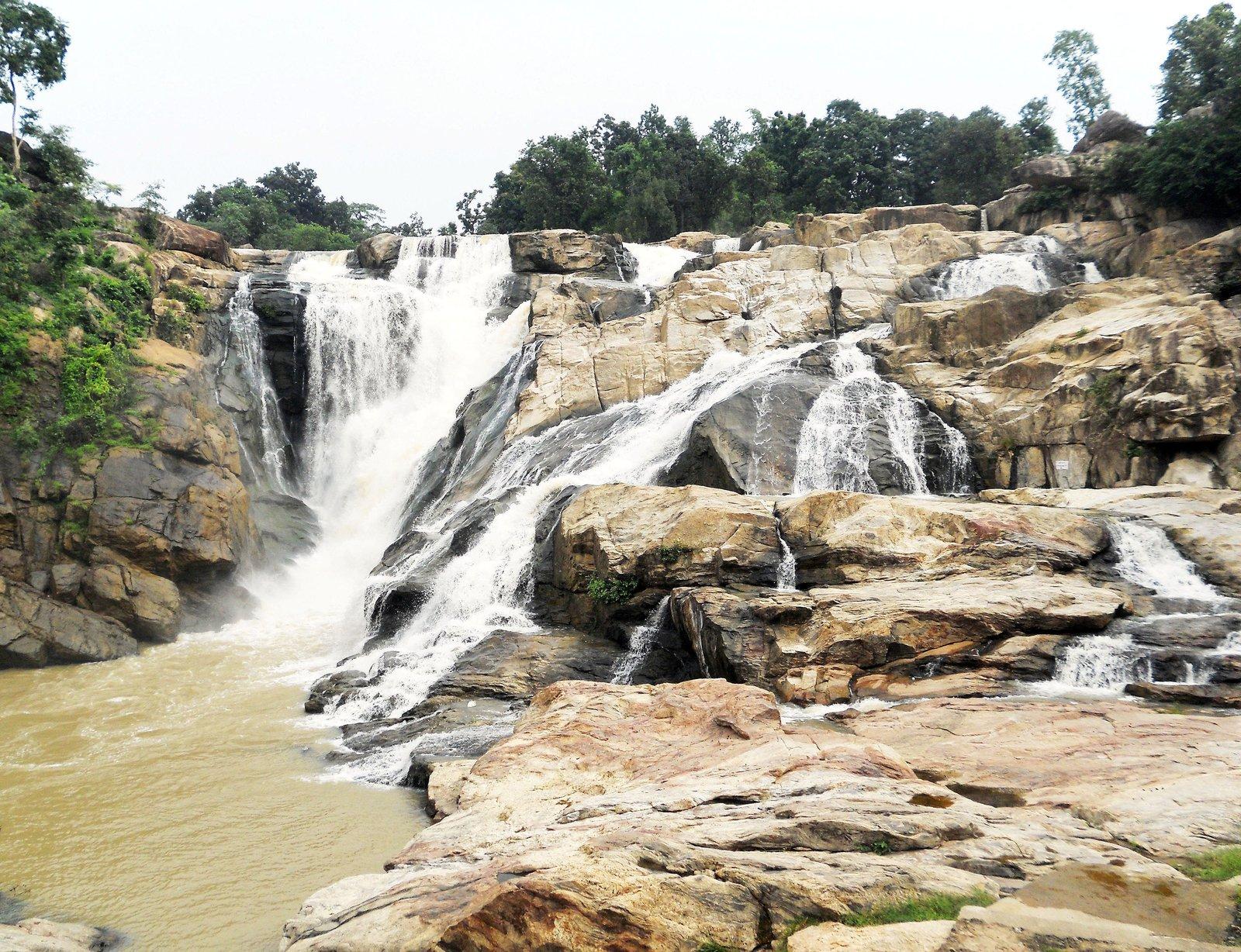
At Hundru the Subarnarekha drops about 98 metres (322 ft) over an edge of the Ranchi plateau, one of the highest falls in Jharkhand and, by Wikipedia's count, the 34th highest in India. Rock walls carved by the water frame the plunge, and the pool at its foot doubles as a picnic ground in the drier months.
Hundru lies in Ranchi district, about 45 km from the city and some 21 km off the Ranchi-Purulia road. The falls can be seen from the top, looking out over the Chota Nagpur plateau, and from the base, which is reached by a long and very steep stairway. At the bottom the water gathers in a frothy pool, and the rock all around has been worn into curious shapes by the endlessly falling river.
The mood changes with the seasons. In the monsoon the Subarnarekha is formidable, its water lashing against the rocks. In the dry months the flow eases and the place turns into a relaxed picnic spot, with the pool at the foot used for bathing. The district and state tourism sites also count it among Jharkhand's popular trekking spots.
Like Dassam and Jonha, Hundru is a scarp fall at a knickpoint, a sudden break in the river's bed where it has cut down afresh (rejuvenation) at the edge of the plateau.
Past & present
History & stories
The fall of the river here has been put to work for about half a century. Jharkhand Tourism says hydroelectricity has been generated from it for some fifty years through what is known as the Sikidiri project, which lies below the falls; Wikipedia lists two power houses at Sikidiri of 65 MW each. Not far away, the Getalsud reservoir on the same river, completed in 1971, supplies Ranchi with drinking water and also feeds power generation when its level allows.
When you're there
See & do
From the top you can watch the river leave the plateau edge and drop away below, with a wide view over the Chota Nagpur plateau.
A stairway of roughly 700 to 750 steep steps descends to the foot of the falls, where the spray and the carved rock walls are seen at close quarters. A 2017 state tourism report counted about 745.
In the dry season the pool and rocks at the base become a picnic ground, and families come in large numbers through the winter holidays.
The rocky, steep sides of the valley below the falls make Hundru one of the trekking spots the state's tourism pages recommend.
Jonha (Gautamdhara) Falls also lies off the Ranchi-Purulia road, so the two can be seen on one trip.
Gallery
Photos
Photos coming soon
We're putting together our own photographs of Hundru Falls. Been there with us? We'd love to see yours.
Getting there
From Rangamati
Hundru Falls is across the state line in Jharkhand, to the north-west of the resort — a full day out. We can arrange a cab and driver.
Before you go
Through the year
Seasons & festivals
March – June
In summer Hundru becomes a cool retreat for picnickers, with a gentler flow.
July – September
The falls are at their most powerful and draw large crowds. The water is violent and bathing at the base calls for great care.
October – February
The flow eases and the base turns into a picnic ground. Visitors come in large numbers from the festive season through to February.
Good to know
Questions
It is one of the highest, at about 98 m (322 ft), and Wikipedia counts it the 34th highest in India. The Jharkhand government lists Lodh Falls as the state's highest.
Roughly 700 to 750, and they are steep; a 2017 state tourism report counted about 745. The view from the top needs no stairs.
The pool at the base is used as a bathing place, especially in the dry months. Take great care in the monsoon, when the falls are at their most violent.
The monsoon and just after for the most water; winter and summer for a calmer picnic at the base.
A 2017 state report listed toilets, food kiosks, parking and a guest house with a restaurant at the falls. These details date from 2017 and may have changed.
By road via Jhalda into Jharkhand and on through Gola to Hundru village. The resort can arrange a sightseeing cab or driver on request.
Yes. Both lie off the Ranchi-Purulia road, so they can be seen on one trip; with two long stairways, plan the day around the climbs.
Jharkhand Tourism records a local belief that the falls were named after an English administrator called Hundru who once lived here.
Make a day of it
Close by
Other places close to this one, so you can see a few in a single trip.
From our travel journal
Places to see Trip planning
 Travel tips
Sources: en.wikipedia.org · en.wikipedia.org · en.wikipedia.org · hi.wikipedia.org · tourism.jharkhand.gov.in · ranchi.nic.in · cm.jharkhand.gov.in · jharkhand.gov.in · tourism.jharkhand.gov.in · outlooktraveller.com · lagatar24.com · newsdrum.in · sangbadpratidin.in · router.project-osrm.org
Rangamati is your base for day trips across Purulia and Jharkhand — tell us your dates and we'll plan the drive.