At a glance
- From Bagmundi, Jonha is about 80 km, Hundru about 93 km, Dassam about 128 km and Chandil Dam about 48 km by road.
- Don't try all four in one day: pair Jonha with Hundru (north-west), or Chandil Dam with Dassam (south-west).
- Hundru and Jonha each have stairways of roughly 700 steps to the base; Dassam's viewing decks are a few hundred steps down.
- Swimming is prohibited at Dassam, where the pool's current and rocky bottom have caused many drownings.
- October and November give strong flow with fewer crowds; the monsoon is most dramatic but most dangerous.
The best way to plan a Hundru, Dassam and Jonha falls trip from Purulia is as two separate day trips into Jharkhand, not one. Jonha (about 80 km from Bagmundi) and Hundru (about 93 km) lie close together north-west of the Ajodhya Hills and pair well. Dassam (about 128 km) pairs with Chandil Dam (about 48 km) on a south-western loop. Each day means an early start, several hours of driving and long flights of steps, so pick the combination that suits your legs as well as your camera.
From our cottages in the Matha forest near Bagmundi, the Jharkhand border is less than an hour away. Here is how to see the Ranchi plateau's best-known falls from this side.
The falls and the dam at a glance
| Place | What it is | Approx. distance from Bagmundi | Steps |
|---|---|---|---|
| Chandil Dam | Subarnarekha reservoir, boat rides | 48 km | Sloping path to the jetty |
| Jonha Falls | 43 m hanging-valley fall | 80 km | Around 700 to the pool |
| Hundru Falls | 98 m plunge on the Subarnarekha | 93 km | Roughly 700–750 to the base |
| Dassam Falls | 44 m multi-stream fall on the Kanchi | 128 km | A few hundred to the decks |
Road distances are from OpenStreetMap routing to the Matha forest, rounded. Hill roads, villages and the last link roads to each falls make the driving slower than the kilometres suggest, so allow about two hours each way for Jonha or Hundru and more for Dassam.
Which falls should you combine?
Day 1 idea: Jonha and Hundru (about 200 km round trip)
These two are only about 24 km apart, both off the Ranchi–Purulia road, so they make the most efficient pairing. Drive west from Bagmundi and north to Muri, cross into Jharkhand and continue through Silli to the Jonha turn-off near Guridih. After Jonha, go on to Hundru, then return via Gola and Jhalda to Bagmundi.
The catch is the steps. Both falls have stairways of around 700 steps, and doing both descents and climbs in one day is hard work. A sensible plan is to go down at one and look from the top at the other: Hundru can be seen from above without the stairs, and a road via Jonha Fall Resort gives a view of Jonha without the full descent.
Day 2 idea: Chandil Dam and Dassam (about 265 km round trip)
Take SH4 to Balarampur and NH18 south-west into Jharkhand near Nimdih to Chandil. Spend an hour at the dam on the way out, or keep it for the return. Beyond Chandil the road meets the Ranchi–Tata highway near Chowka and follows it past Bundu; near Taimara village a link road leads through villages and low hills to Dassam.
This is the longer day, but the walking is lighter: Dassam's two viewing decks are a few hundred steps below the car park. If you have time, the Sun Temple near Bundu, built in the shape of a great chariot, is about 20 km from the falls.
Half-day option: Chandil Dam alone
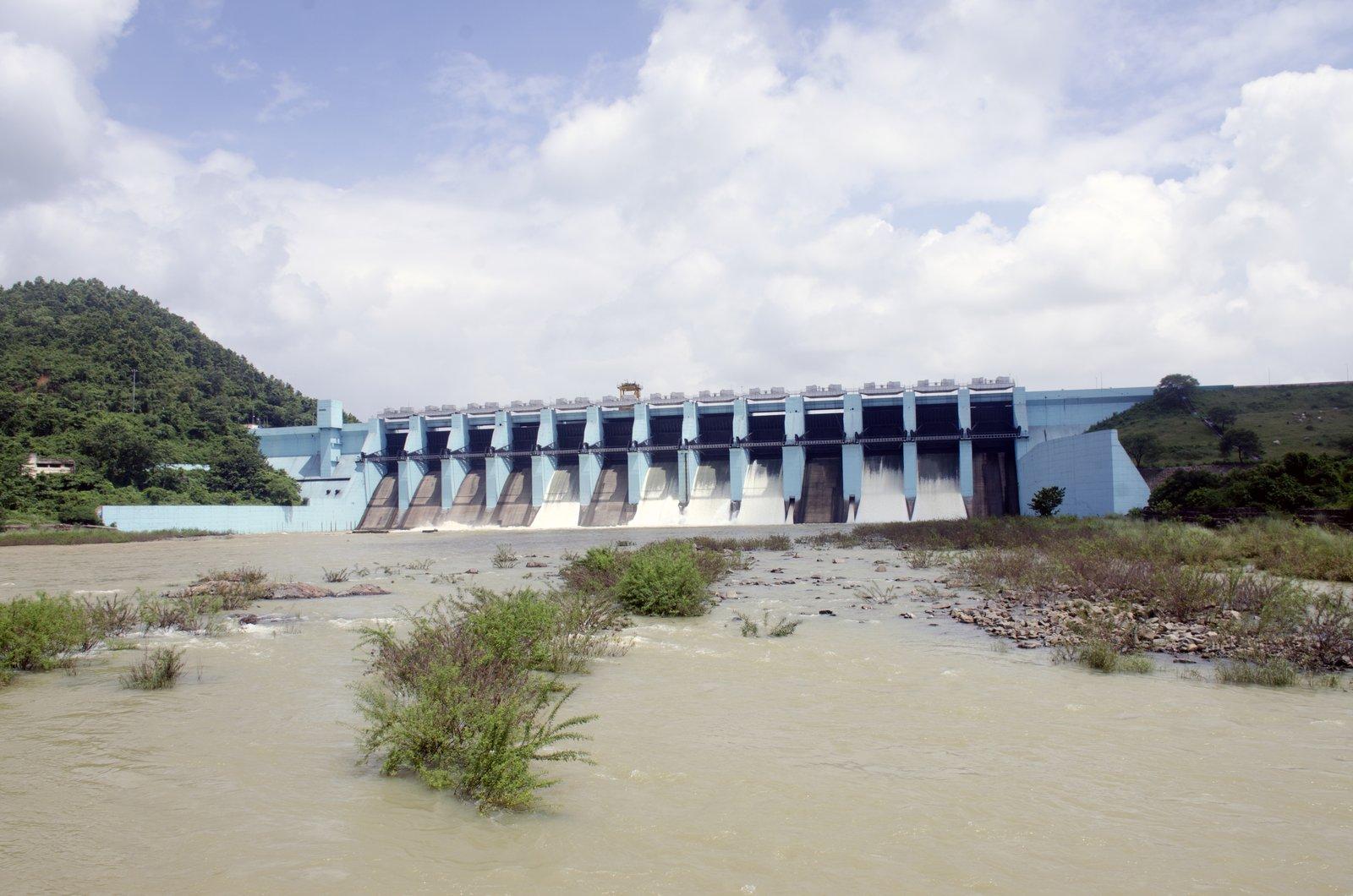
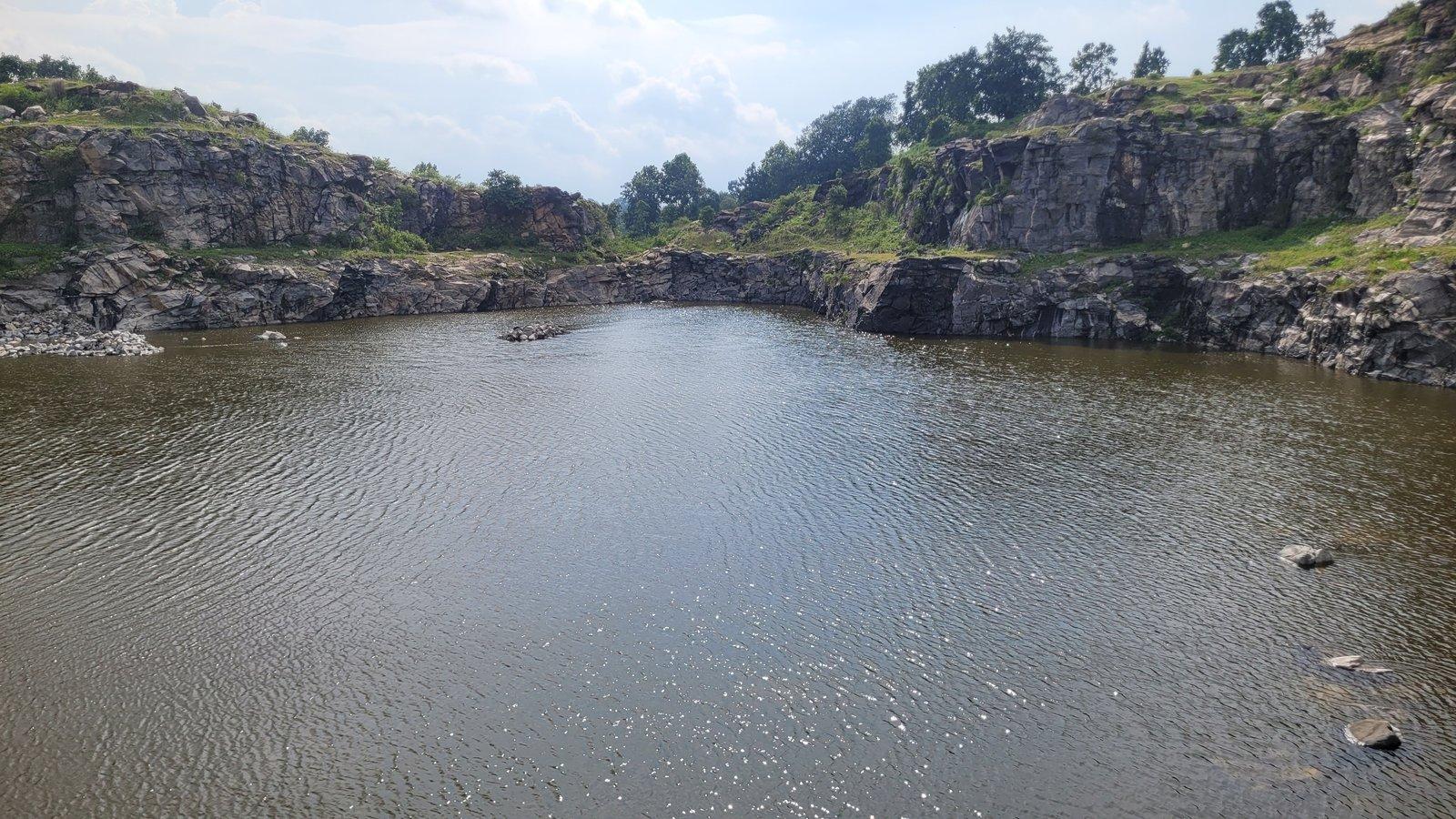
At about 48 km, Chandil is an easy half-day from the Ajodhya side and works even in the dry months, when the waterfalls are thin. Take a ticketed boat ride among the forested islands, look at the floating fish cages worked by families displaced by the dam, and visit the free Patkum Museum on the hilltop beside it.
Hundru Falls: the big drop
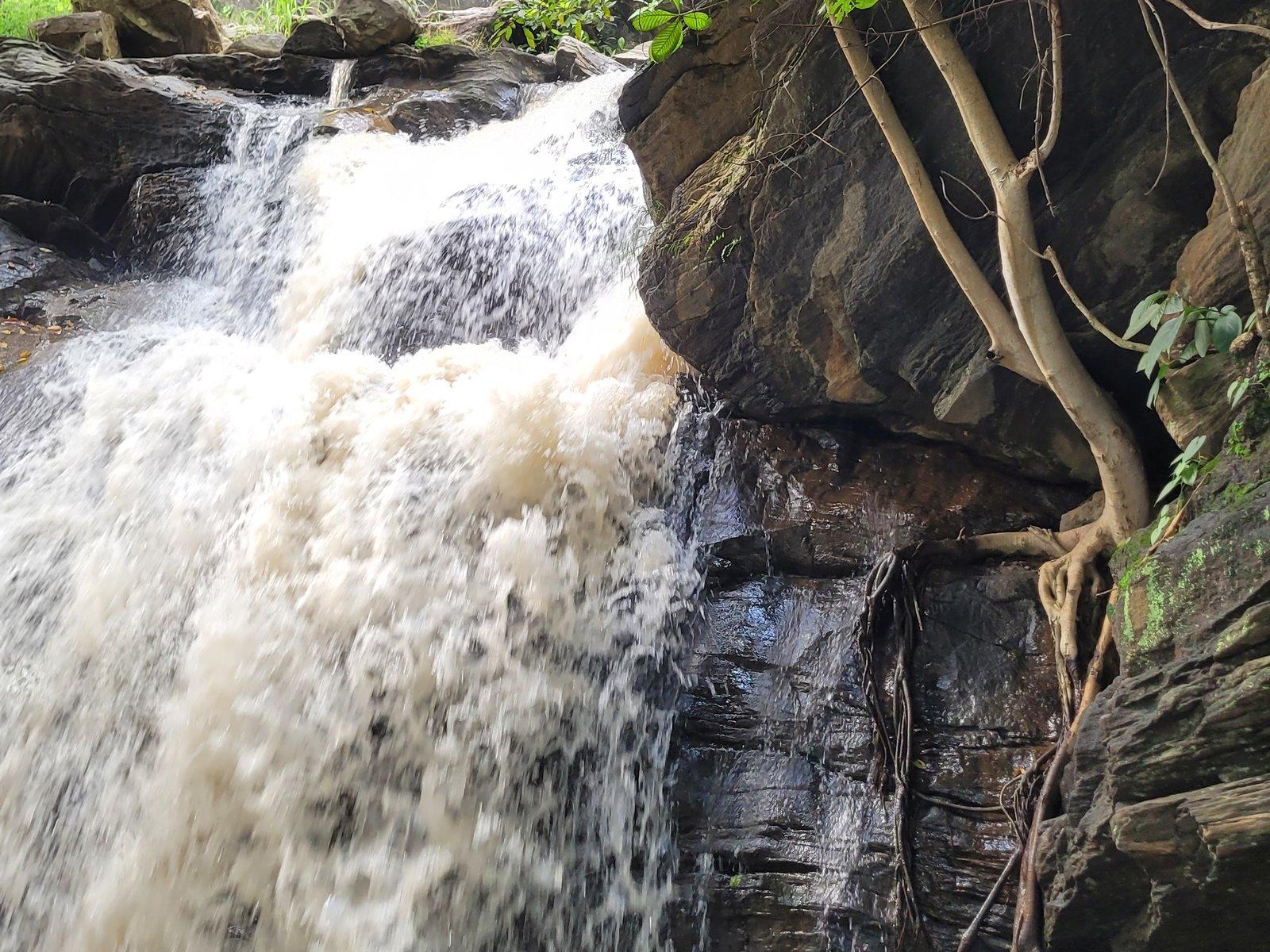
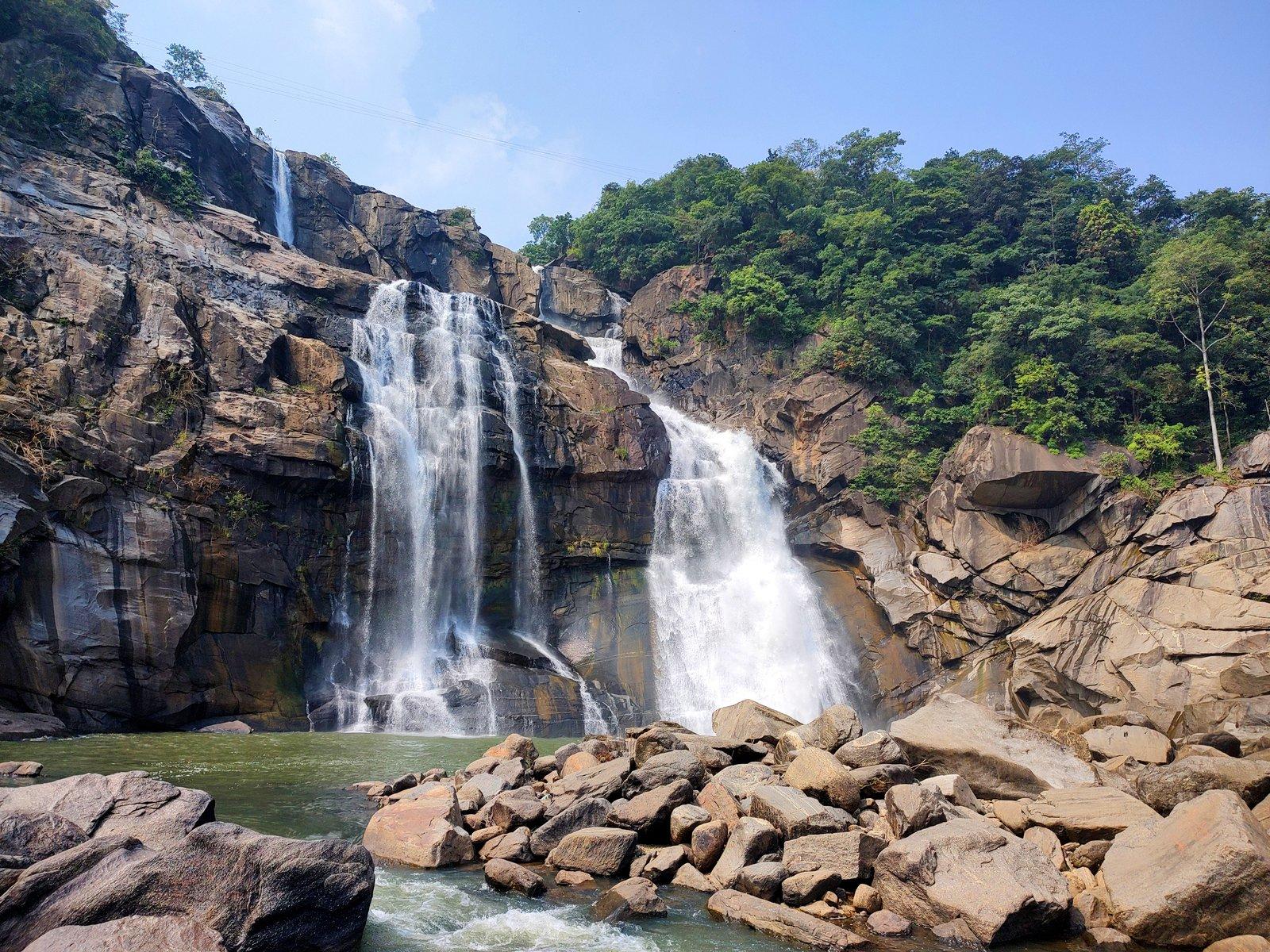
At Hundru the Subarnarekha falls about 98 metres (322 ft) off an edge of the Ranchi plateau, one of the highest falls in Jharkhand. You can watch it from the top, looking out over the Chota Nagpur plateau, or go down the steep stairway to the base, where water-worn rock walls surround a frothy pool.
The mood changes with the season. In the monsoon the river is violent; in the dry months the flow eases and the pool becomes a picnic ground. The fall of the river here has also powered the Sikidiri hydroelectric project below the falls for about half a century. Leave time and energy for the climb back up.
Jonha (Gautamdhara) Falls: the quieter one
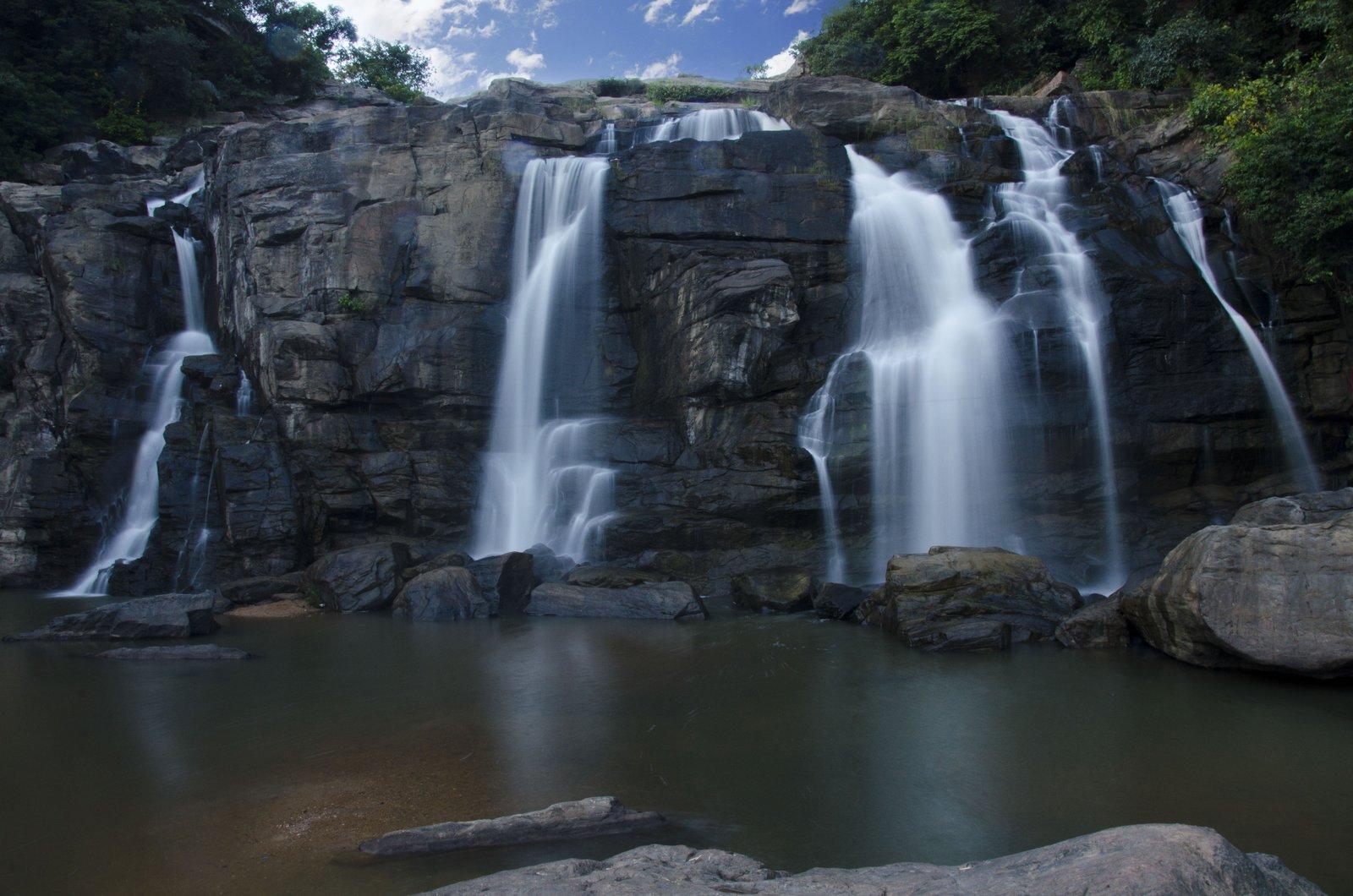
Jonha is a hanging-valley fall of about 43 metres (141 ft), where the Gunga stream leaps into the deeper valley of the Raru. Tall trees close in around it, and the Ranchi district site describes it as quieter and more sombre than its neighbours.
Its second name, Gautamdhara, comes from the Buddha: a temple and ashram dedicated to him stand on Gautam Pahar above the falls. Wikipedia and a 2017 state tourism report both record a fair held here twice a week, on Tuesdays and Saturdays. Unlike Dassam, Jonha has no deep plunge pool; a 2017 state tourism report noted a bed of sand and shingle where people bathe.
Dassam Falls: watch from the rocks
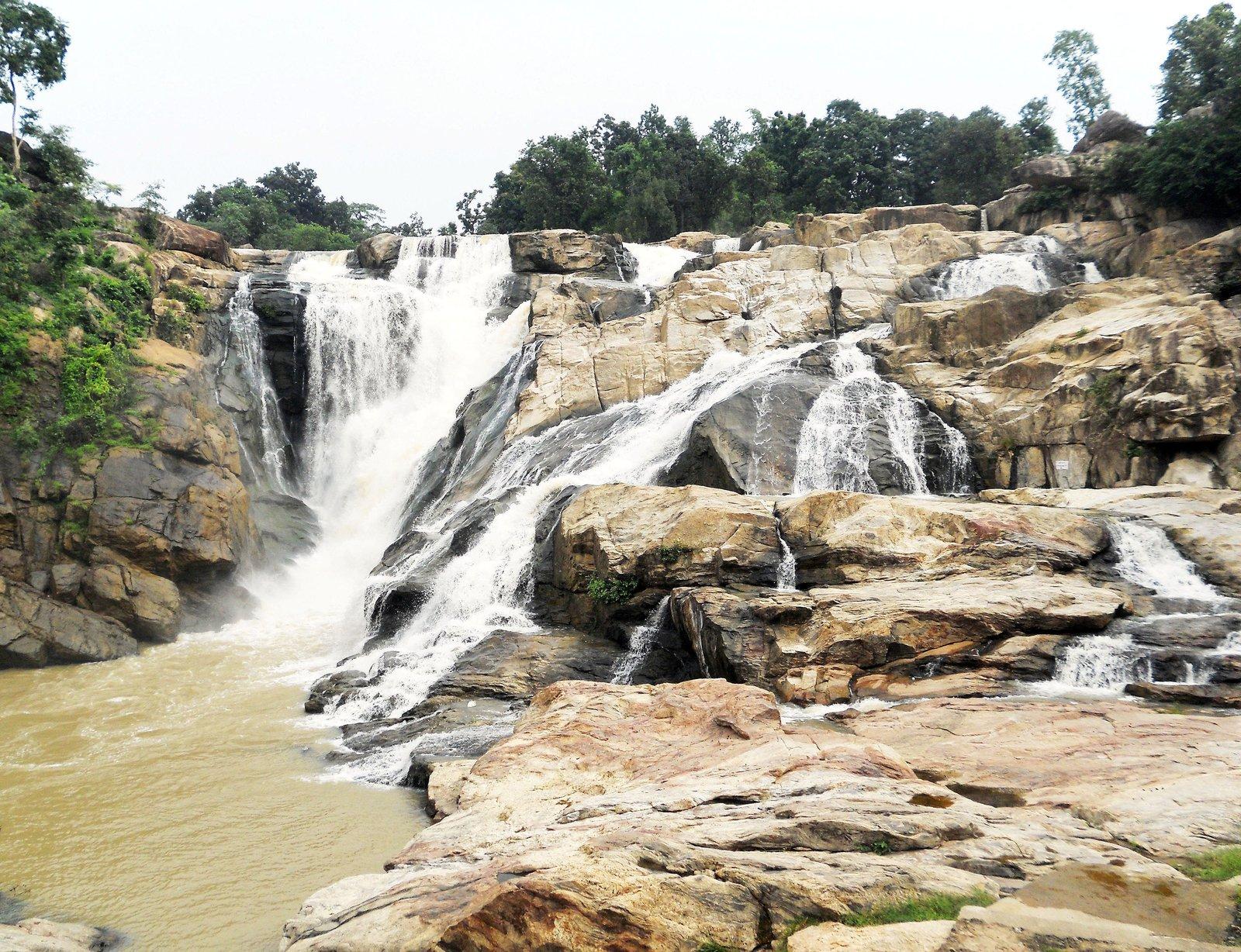
Near Taimara village, the Kanchi, a tributary of the Subarnarekha, drops about 44 metres (144 ft) over a sharp cliff, splitting into several streams; the Ranchi district counts ten. The name is traced to the Mundari da:song, the act of pouring water. The roar carries all around, and two viewing decks give the classic view of the streams fanning over the cliff into the gorge.
When to go
| Season | Flow | What to expect |
|---|---|---|
| July to September | Strongest | Most dramatic, but slippery rocks, harder access and violent water |
| October to November | Still strong | The best balance of flow, safety and smaller crowds |
| Late December to February | Easing | Picnic season; busiest around Christmas and New Year |
| March to June | Lowest | Gentle flow; Hundru's base becomes a cool picnic spot |
Weekends and the Christmas–New Year weeks are the most crowded times, so go on a weekday and arrive early if you can. For Purulia's own monsoon falls closer to home, see our guide to waterfalls in Purulia and Purulia in the monsoon.
Safety at the falls
- Stay out of fast water. Never swim at Dassam. At Hundru and Jonha, take great care in or after heavy rain, when the water rises and turns violent.
- Mind the rocks. Wet rock is slippery at every fall. Keep away from edges, and don't climb for photographs.
- Look for the paryatak mitras. The Jharkhand tourism department posts trained local "tourist friends" at the main falls; follow their instructions.
- Respect barriers. Fences, such as the one put round Dassam's main pool after drownings in 2014, are there for a reason.
- Head back in daylight. The routes cross forest country, including the Dalma Hills near Chandil, which are part of an elephant corridor. Plan to be out of the forest stretches before dark.
Practical tips for the day
- Start early. Leave by about 7 am to have the falls before the crowds and to drive back in daylight.
- Wear shoes with grip for the stairways and rocks, and carry rain gear in the monsoon.
- Take water and snacks. Facilities are limited at Dassam, and in 2023 only some of Jonha's toilets were reported to be working.
- Carry cash. Chandil's parking and boat rides are paid, and travel listings mention small entry charges at some falls, though official sites publish no current rates.
- Leave no litter. Carry your waste back with you, and keep music off near the water.
- Ask before photographing people in the villages on the way.
Making it part of your stay
The Jharkhand falls fit best into a stay of three nights or more, with the Ajodhya Hills on the other days; our 3-day itinerary shows how. Rangamati can arrange a sightseeing cab and driver on request; see experiences. If you are coming from Ranchi or Jamshedpur, you can also take in a fall on the drive here; see Purulia from Ranchi, Jamshedpur, Dhanbad and Bokaro.