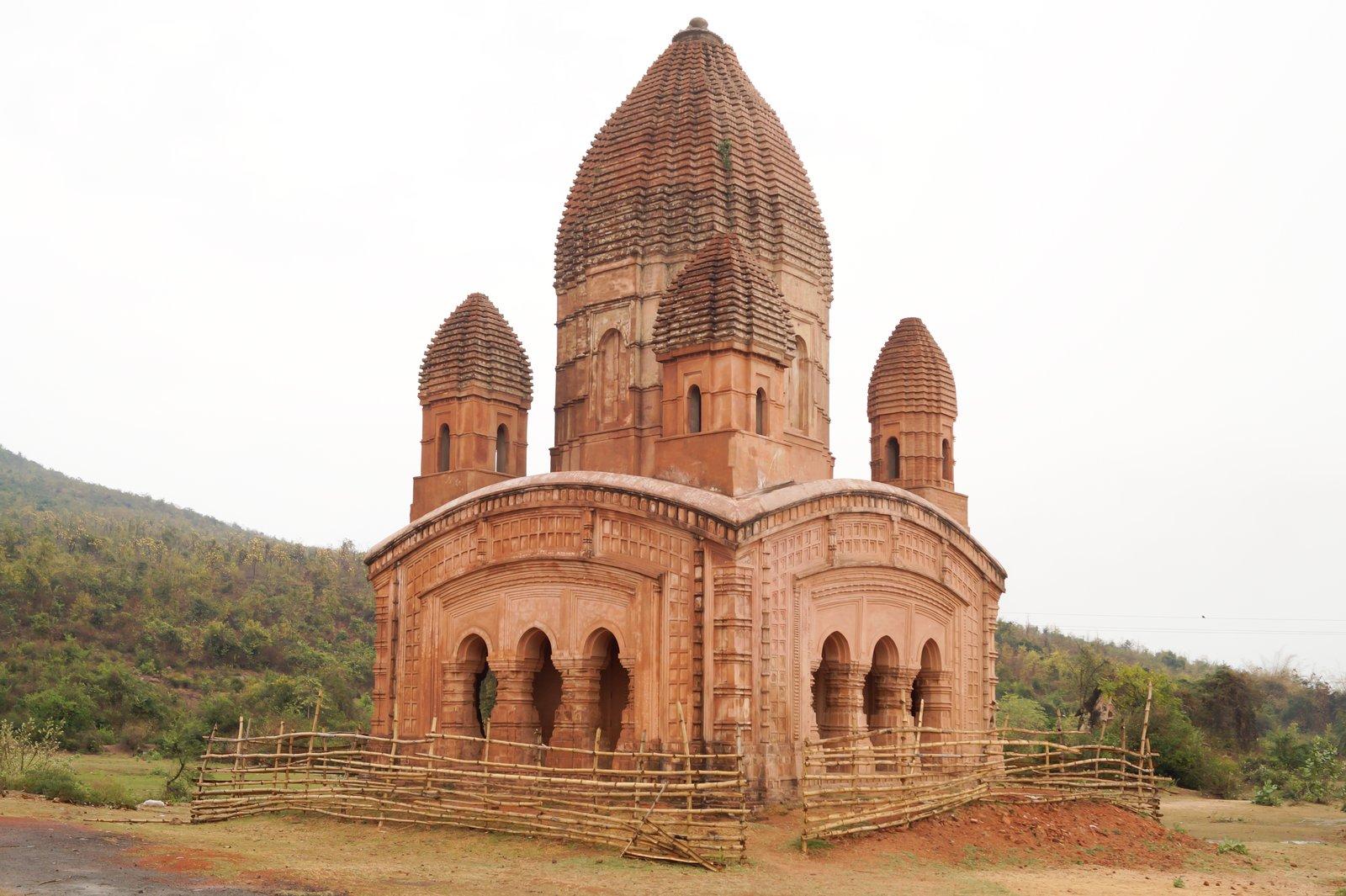
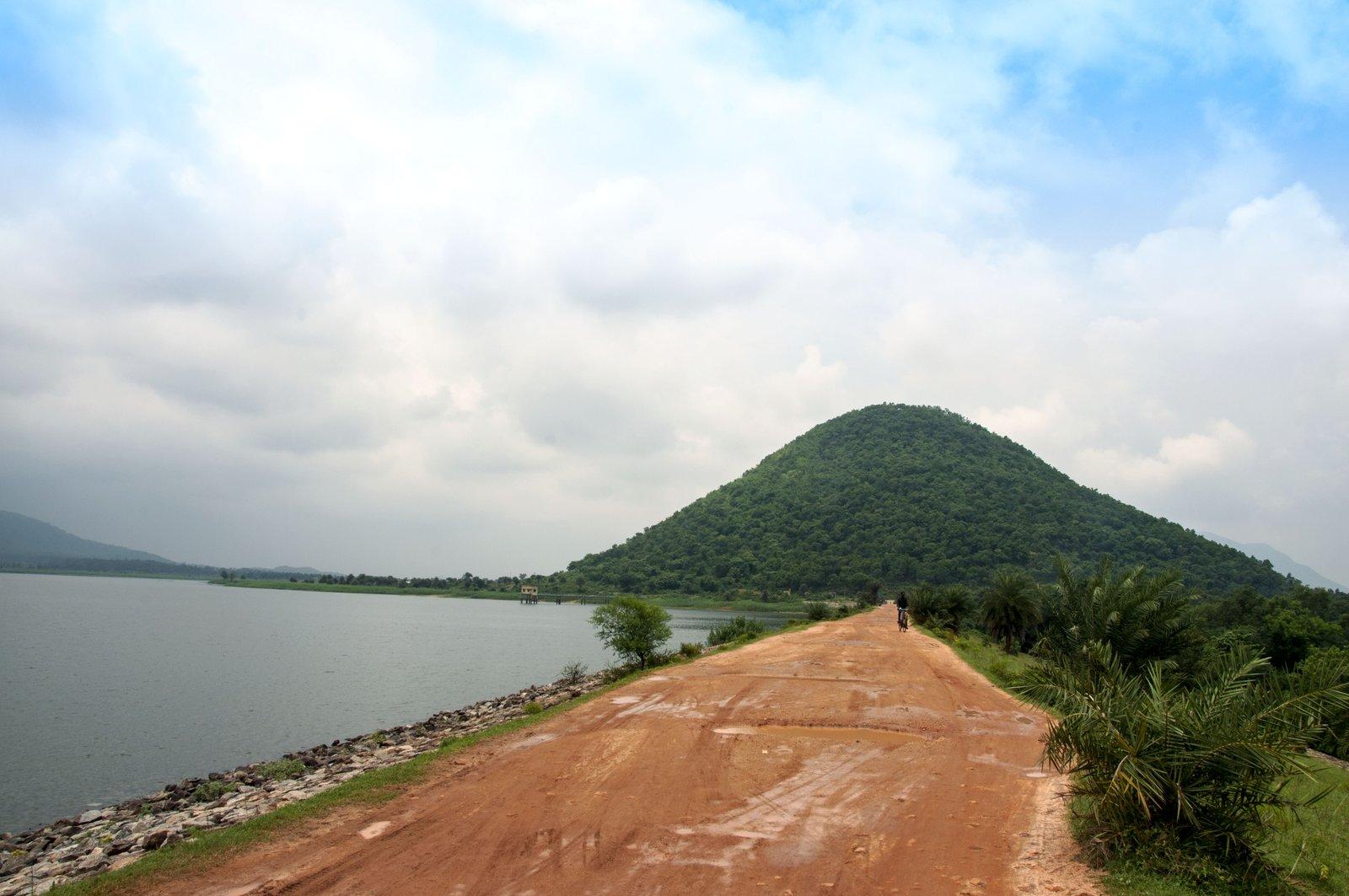
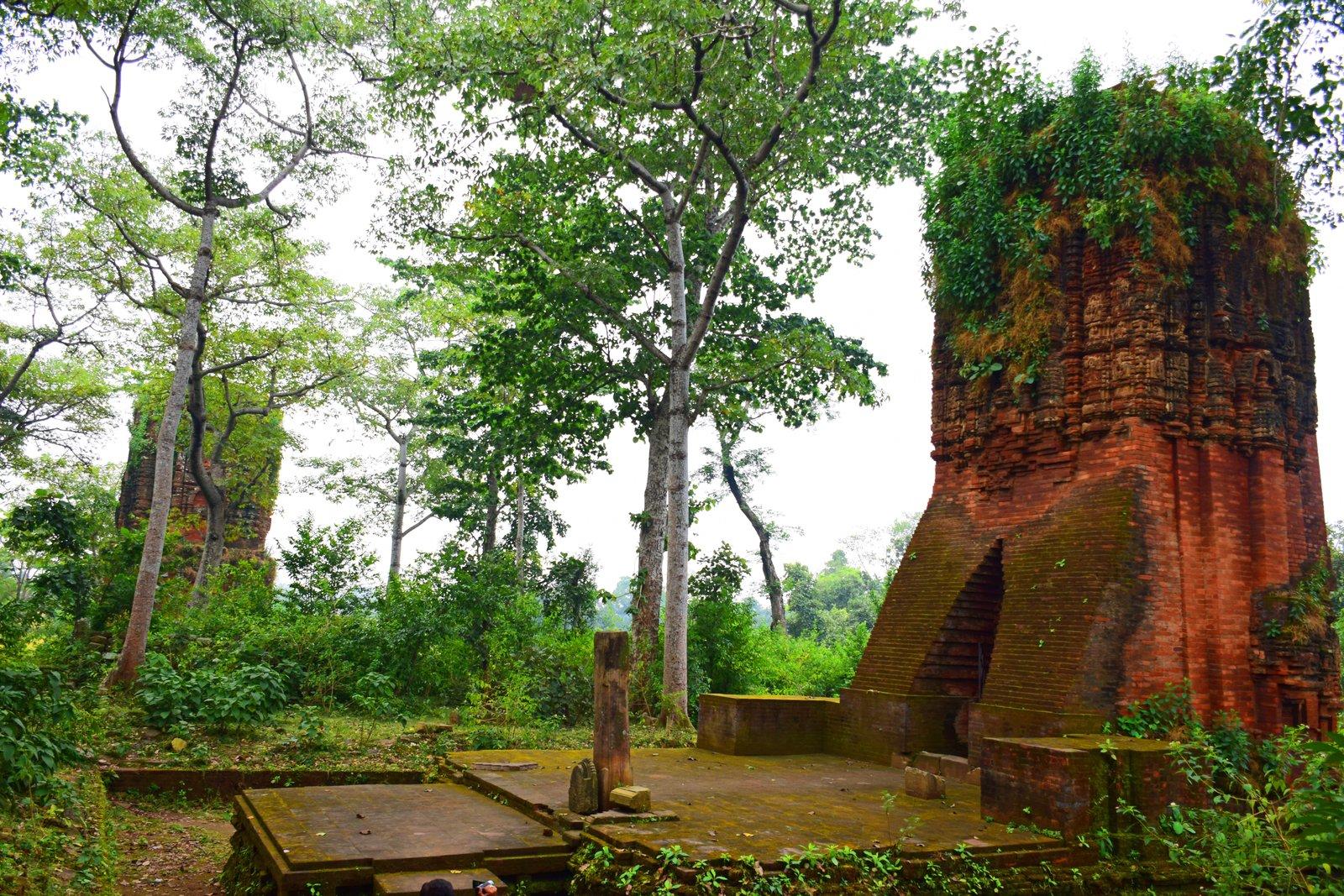
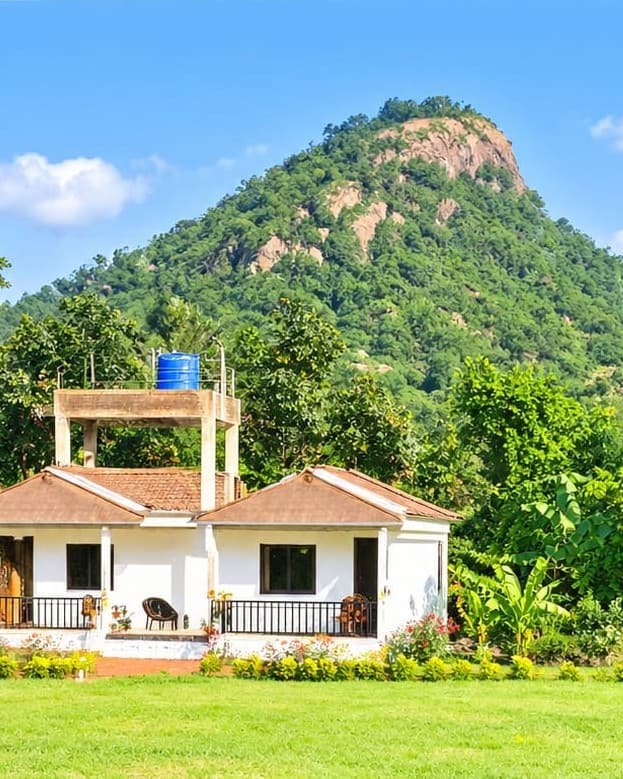
Garh Panchkot, the 'fort of the five clans', was for centuries the capital of the Panchkot rajas, until Maratha raiders laid it waste in the 18th century and the family moved to Kashipur. Gateways, temples and palace walls lie scattered through scrub and forest at the foot of Panchet Hill, near the Panchet reservoir on the Damodar. It suits an unhurried day of history, birdsong and walks.
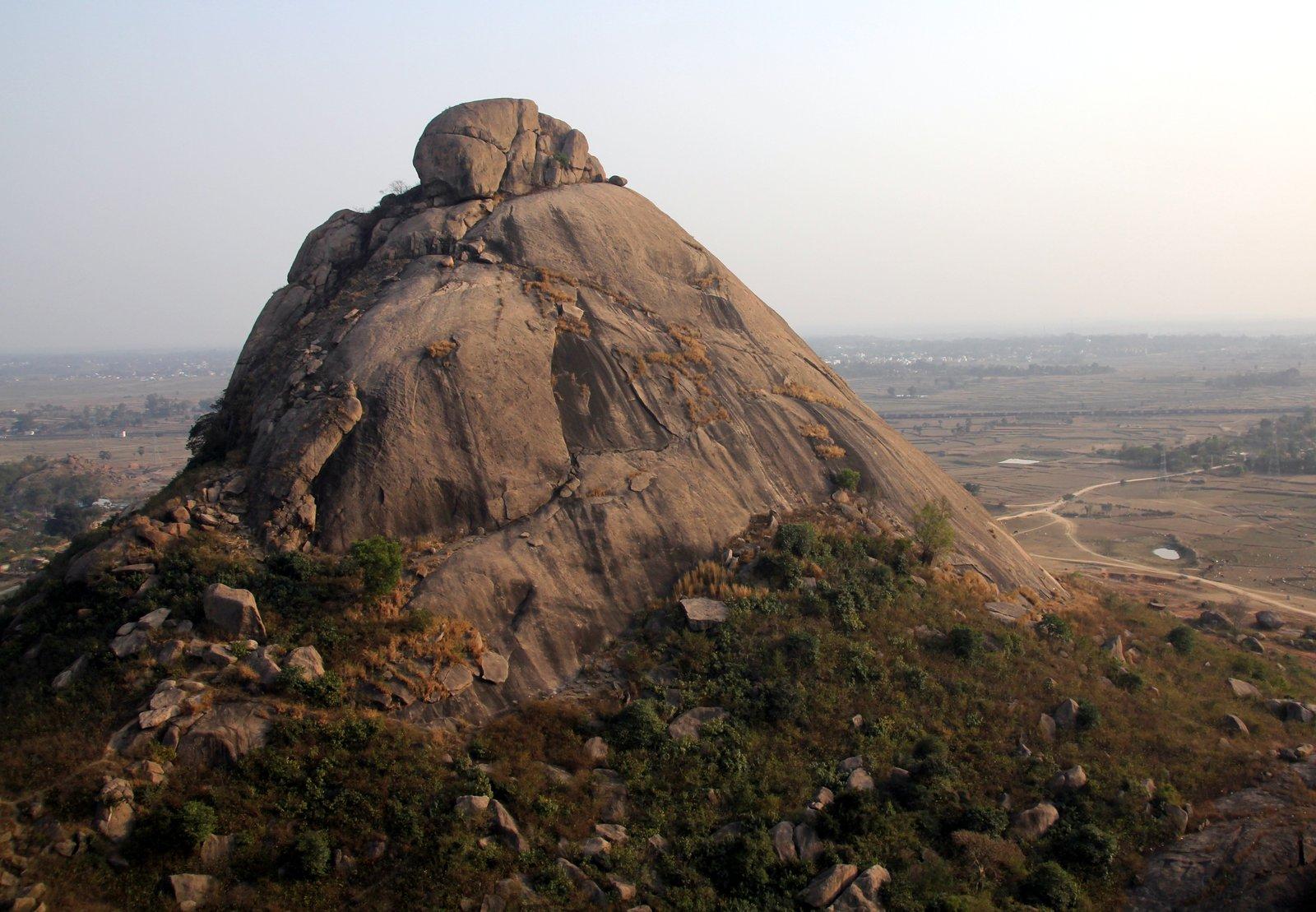
The ruins lie in Neturia block, in the north-eastern corner of Purulia district near the Jharkhand border, at the eastern end of Panchet (Panchakot) Hill. In 1911 the district gazetteer described the hill as a long, crescent-shaped ridge rising highest at its eastern end, covered in dense jungle, with the ruins of the old palace and fort of the Panchet rajas at the foot of its eastern face.
The hill is still thickly wooded, largely with sal. The Forest Development Corporation describes it as home to grey wolf, striped hyena and Indian pangolin, and a 2025 study recorded sloth bear, fishing cat, Indian rock python and the white-rumped vulture around it. District and state tourism pages single out the valley for its birdsong.
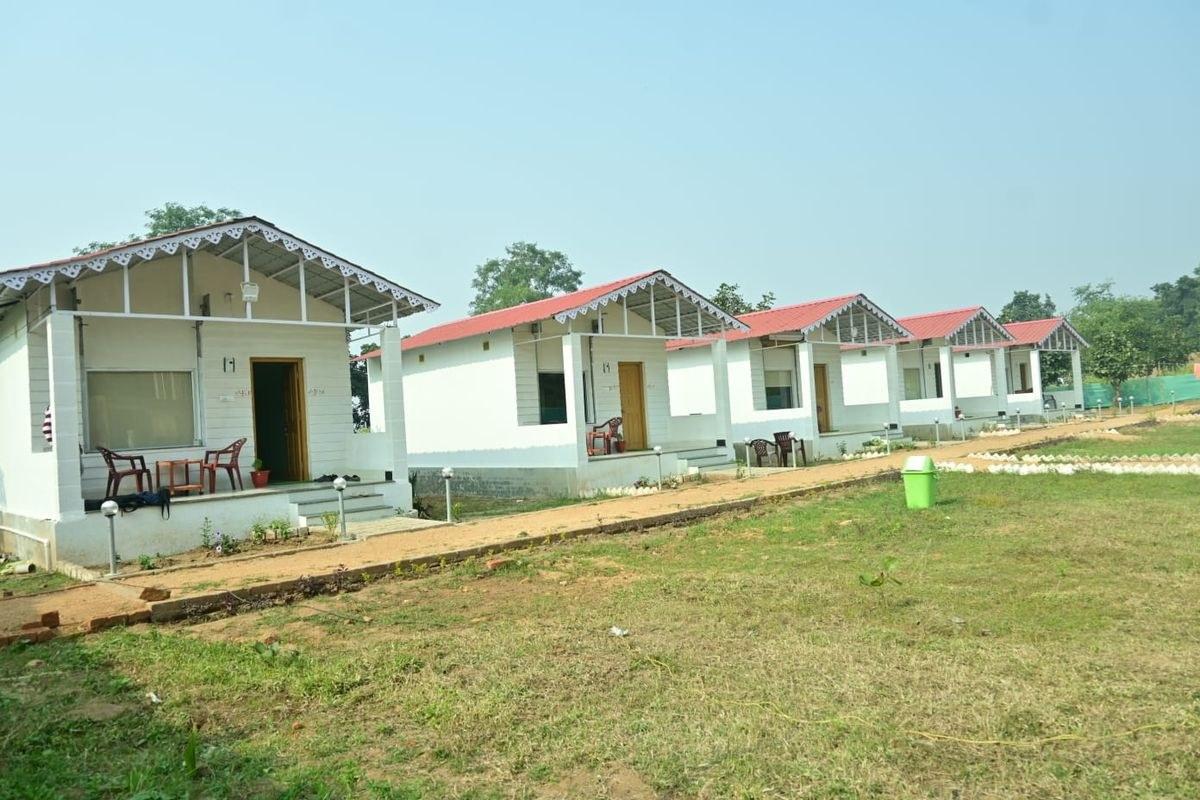
Garh Panchkot draws many visitors every year; the area around the ruins has been developed as a tourist centre run by the Neturia panchayat samiti, and several resorts have opened around the hill.