At a glance
- About 1,130 mm of Purulia's average 1,440 mm of yearly rain falls between June and September, with July the wettest month.
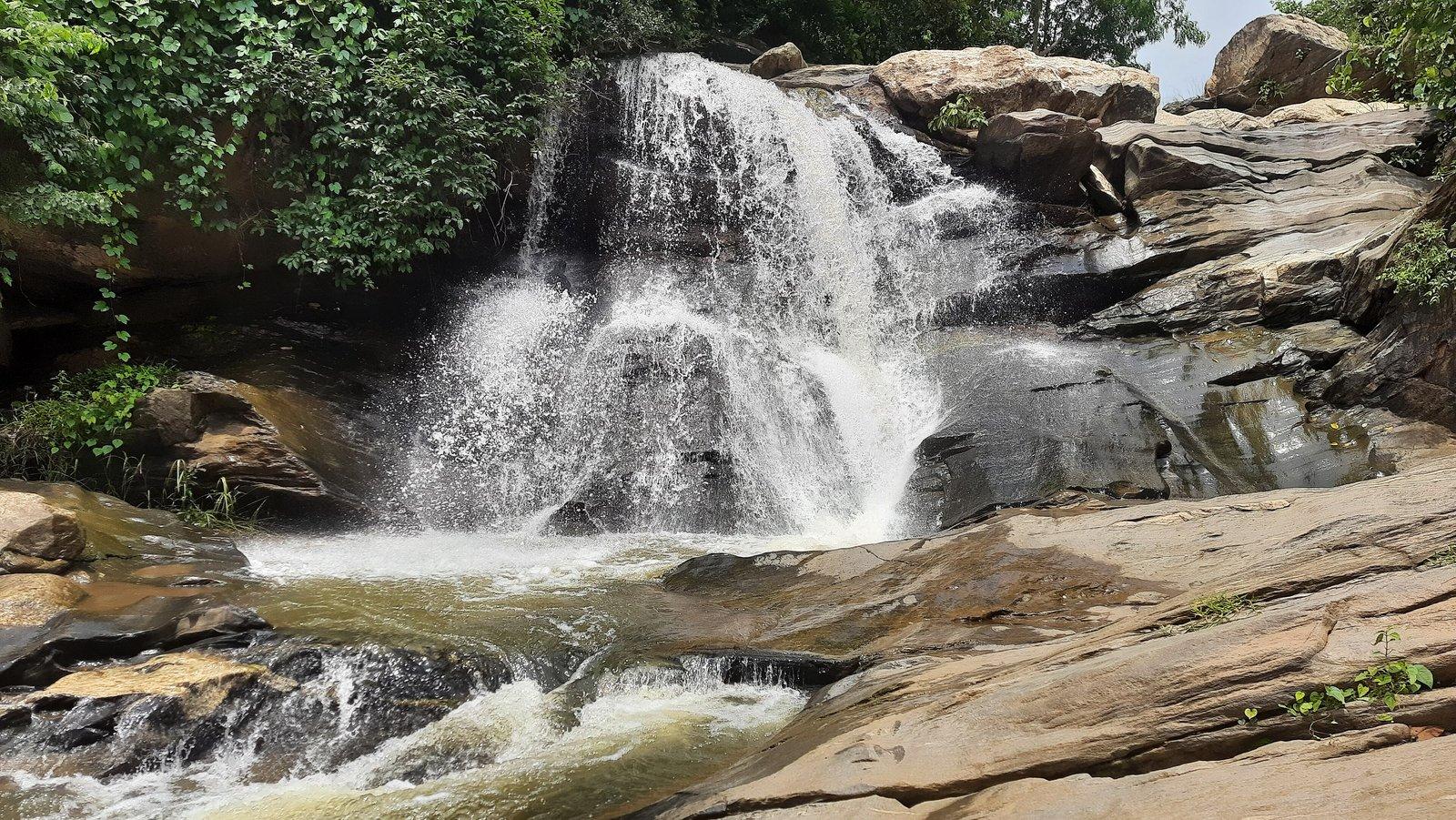
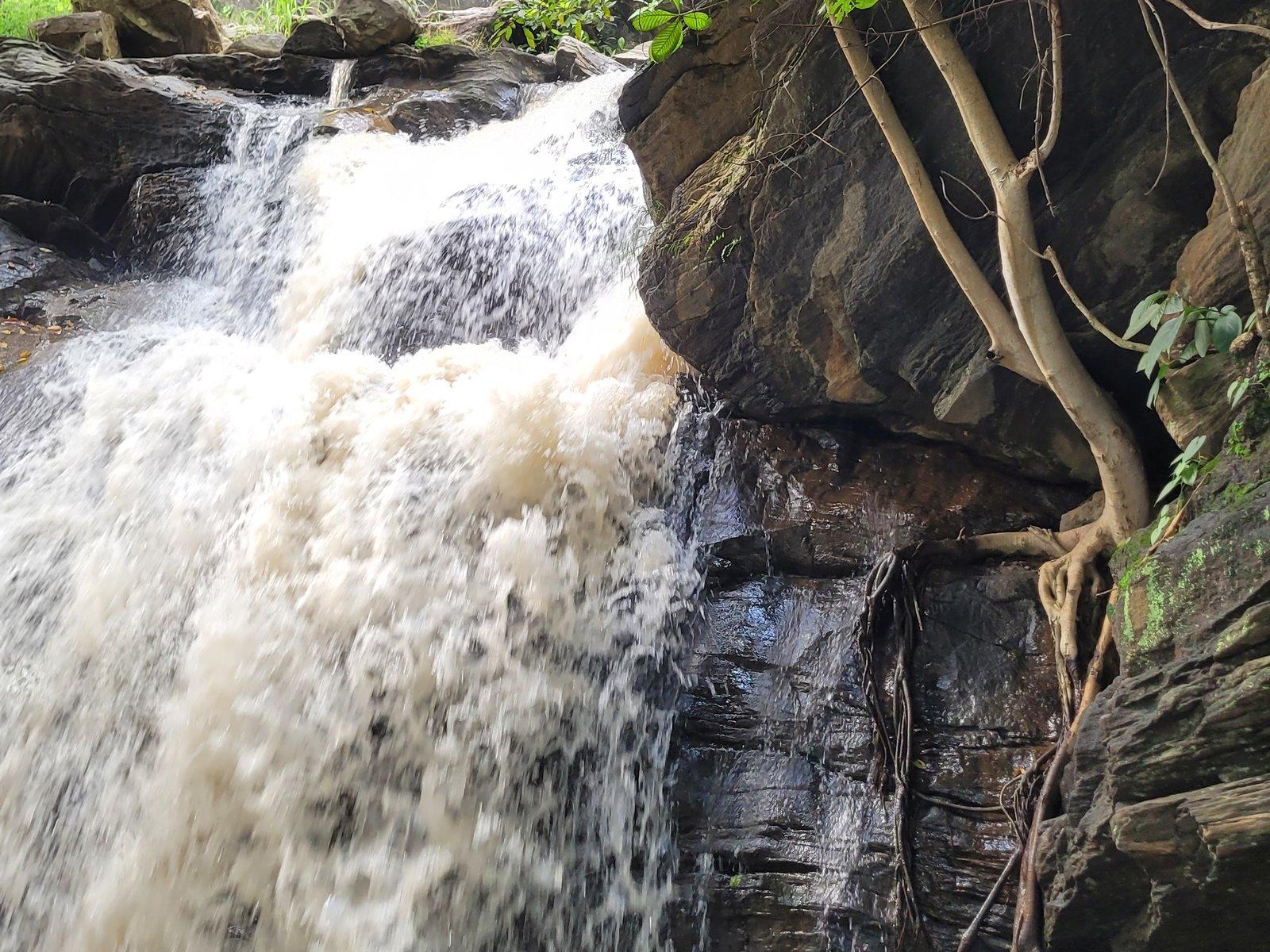
- Turga Falls (11 km) and Bamni Falls (13 km) run fullest in the rains and stay strong into September and October.
- Never bathe at the falls: in July 2019 police rescued two students caught by a flash flood at Bamni.
- The rains are also festival season in the villages, from Manasa Puja to Karam and the month-long Bhadu.
- September and early October give full waterfalls with less rain and easier walking.
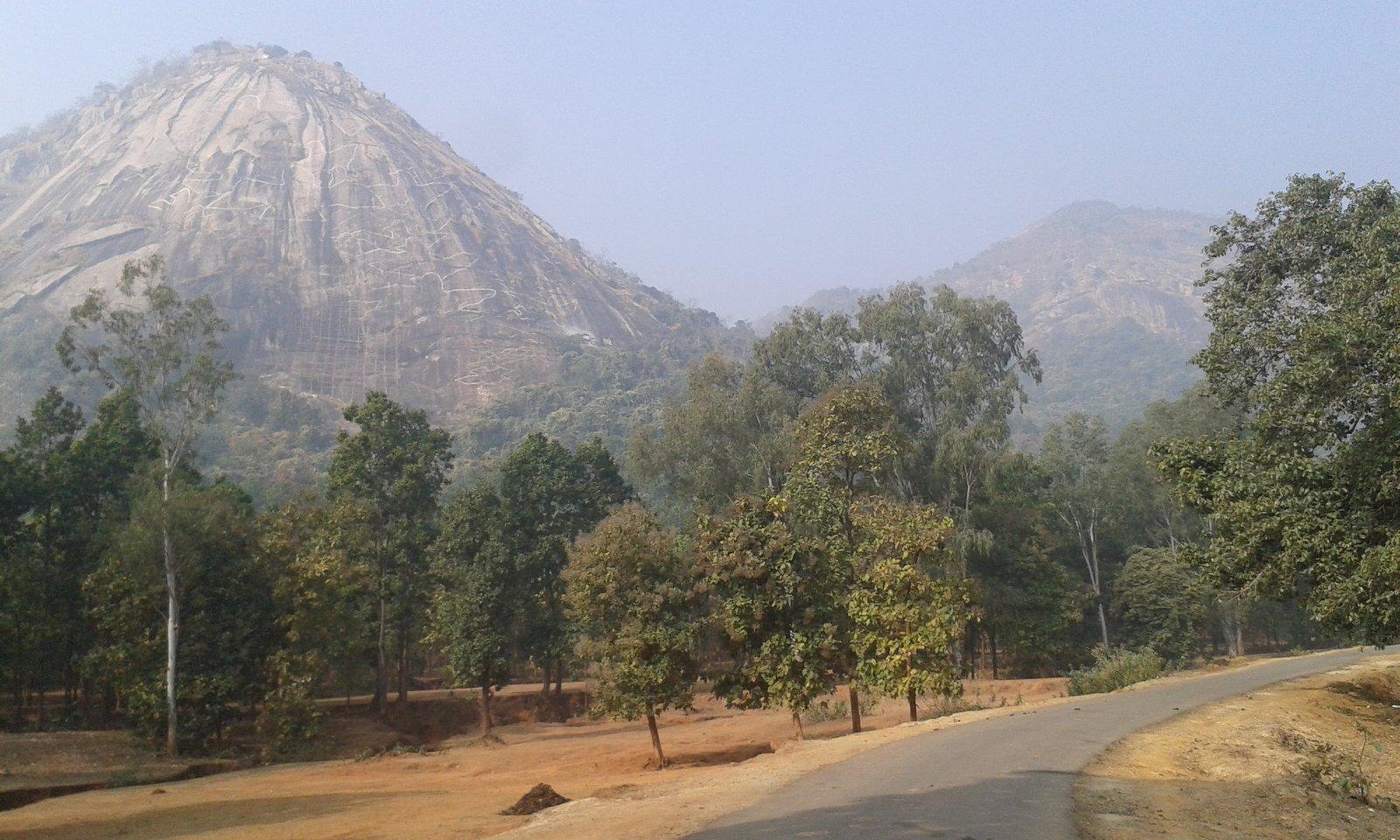
Purulia in monsoon, from June to September, is a different district. Of the roughly 1,440 mm of rain Purulia gets in an average year, about 1,130 mm falls in these four months, and the red earth and bare rock of the Ajodhya Hills turn green. Bamni and Turga falls run at full strength and the reservoirs fill. It is also the season when hill streams rise without warning, rock turns slick and leeches come out, so a monsoon trip needs more care than a winter one.
How much does it rain in Purulia in the monsoon?
The figures below are India Meteorological Department (IMD) averages for 1991–2020 at Purulia town. A rainy day, by the IMD's convention, is one with 2.5 mm of rain or more.
| Month | Average rain | Rainy days | Average day / night |
|---|---|---|---|
| June | 251 mm | 12.6 | 35 °C / 26 °C |
| July | 341 mm | 16.4 | 32 °C / 26 °C |
| August | 296 mm | 15.3 | 32 °C / 26 °C |
| September | 242 mm | 10.5 | 32 °C / 25 °C |
| October | 93 mm | 4.3 | 31 °C / 22 °C |
Two things stand out. Even in July, the wettest month, only about half the days count as rainy, so plan for flexible days rather than writing the month off. And the air is heavy: evening humidity averages 66–79% from June to September, so it feels warmer than the thermometer says. June can still be hot until the rains settle in.
Waterfalls in the monsoon: Turga, Bamni and beyond
The two best-known falls of the Ajodhya Hills are both on the hill road from Baghmundi, and both depend entirely on the rains. They fill in the monsoon, keep running through winter and thin out, or dry up, as summer builds.
Turga Falls, 11 km from the resort. A cascade over dark rock into a pool, singled out by the district administration for the clarity of its water. There is no road to the water: from where vehicles stop, a rocky, lightly wooded trail leads to the falls.
Bamni Falls, 13 km from the resort. The range's best-known waterfall drops in stages through dense forest. Reaching it means a steep descent on narrow, uneven steps, and there is no proper path between the upper and lower falls. It is fullest and most dramatic in the rains, which is also when it is most hazardous.
Beyond the plateau, Machkanda Falls, reached via Khairabera, is a horsetail fall of about 50 m that a 2023 study found few visitors reach because access is hard; an Outlook Traveller writer saw it from the hills opposite on a monsoon trip, with a driver who doubled as guide. Across the border in Jharkhand, Hundru, Dassam and Jonha are at their most powerful in the rains; see our guide to Ranchi's waterfalls from Purulia.
Green dams and lakes after the rain
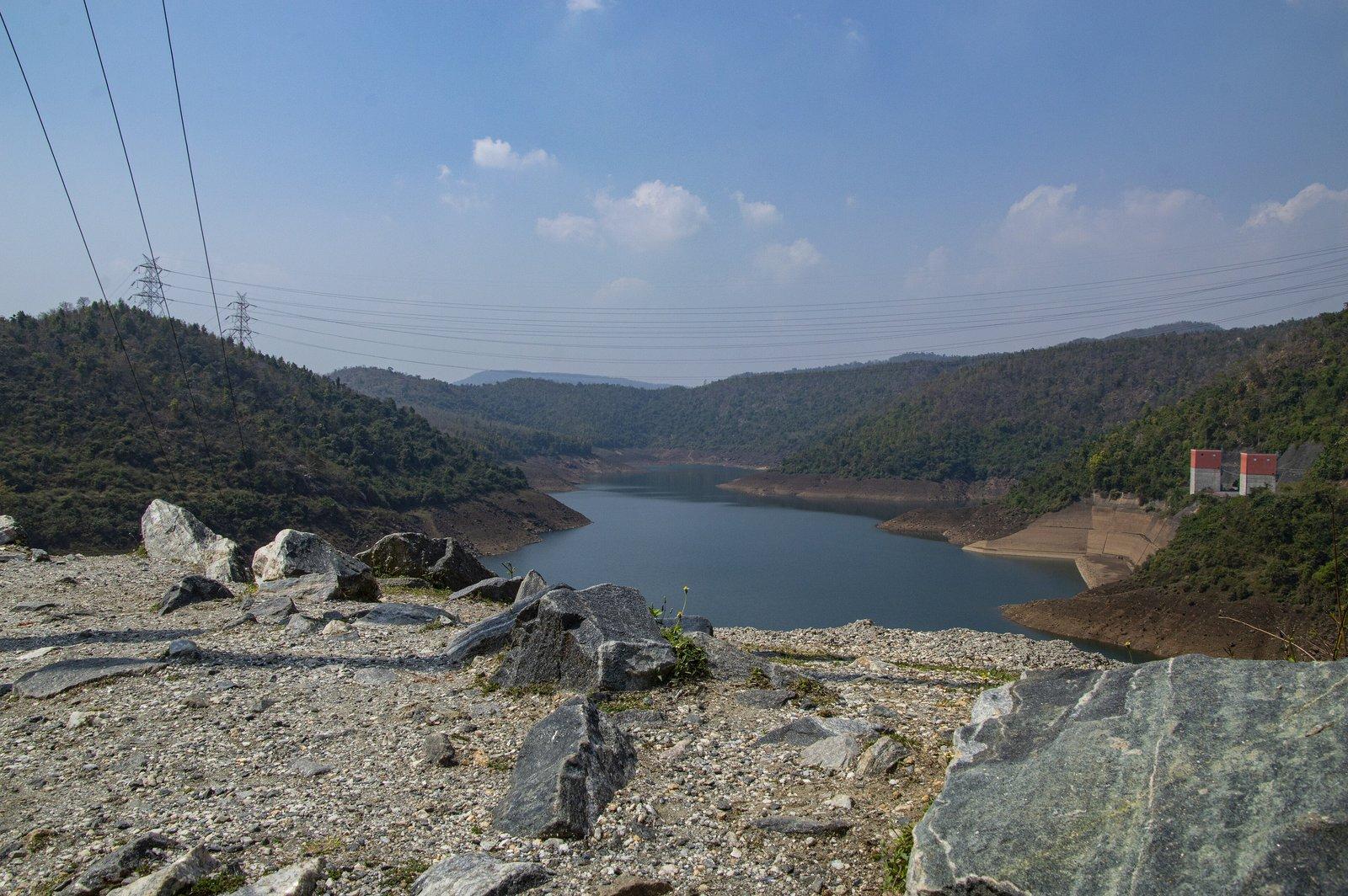
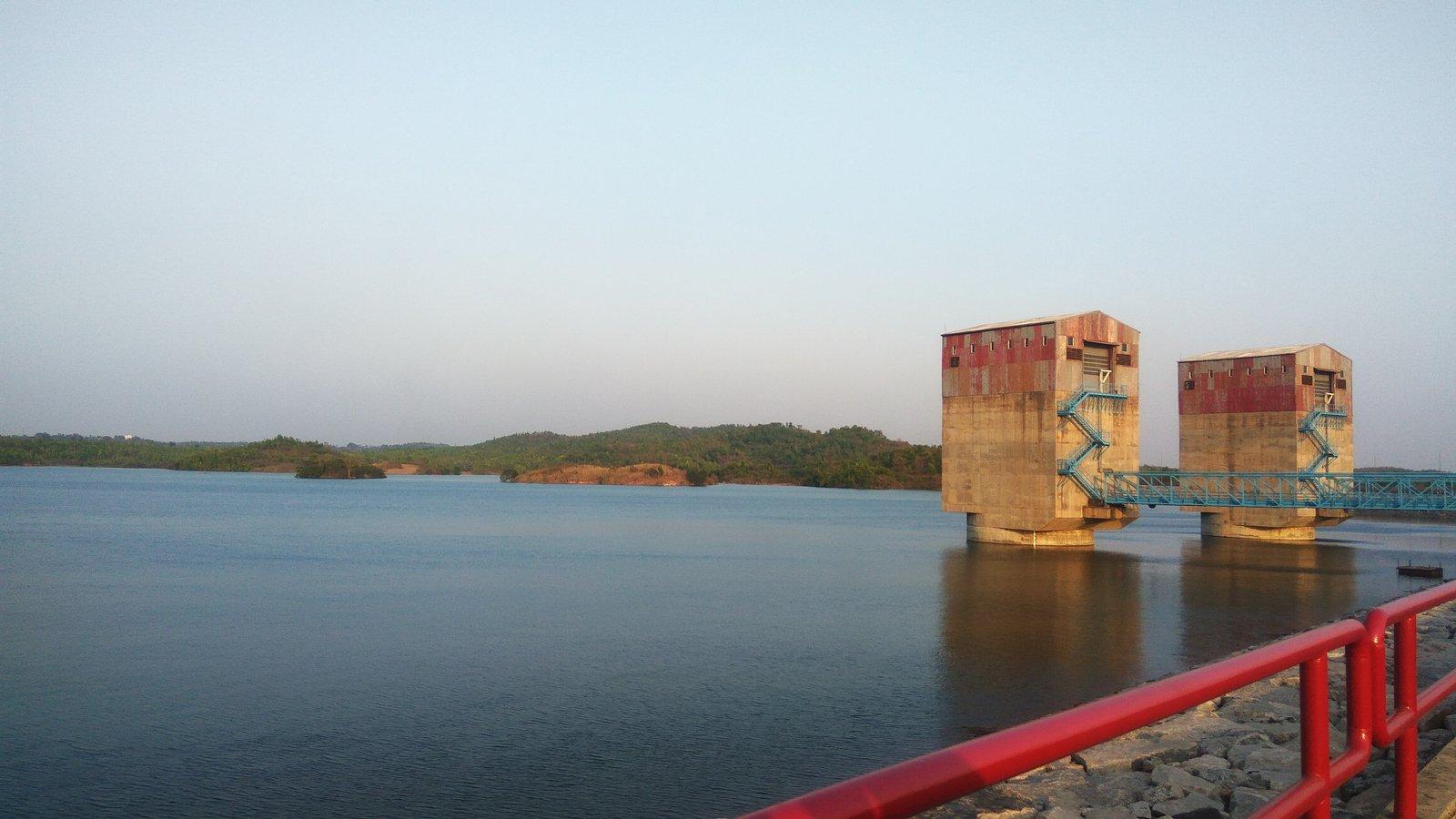
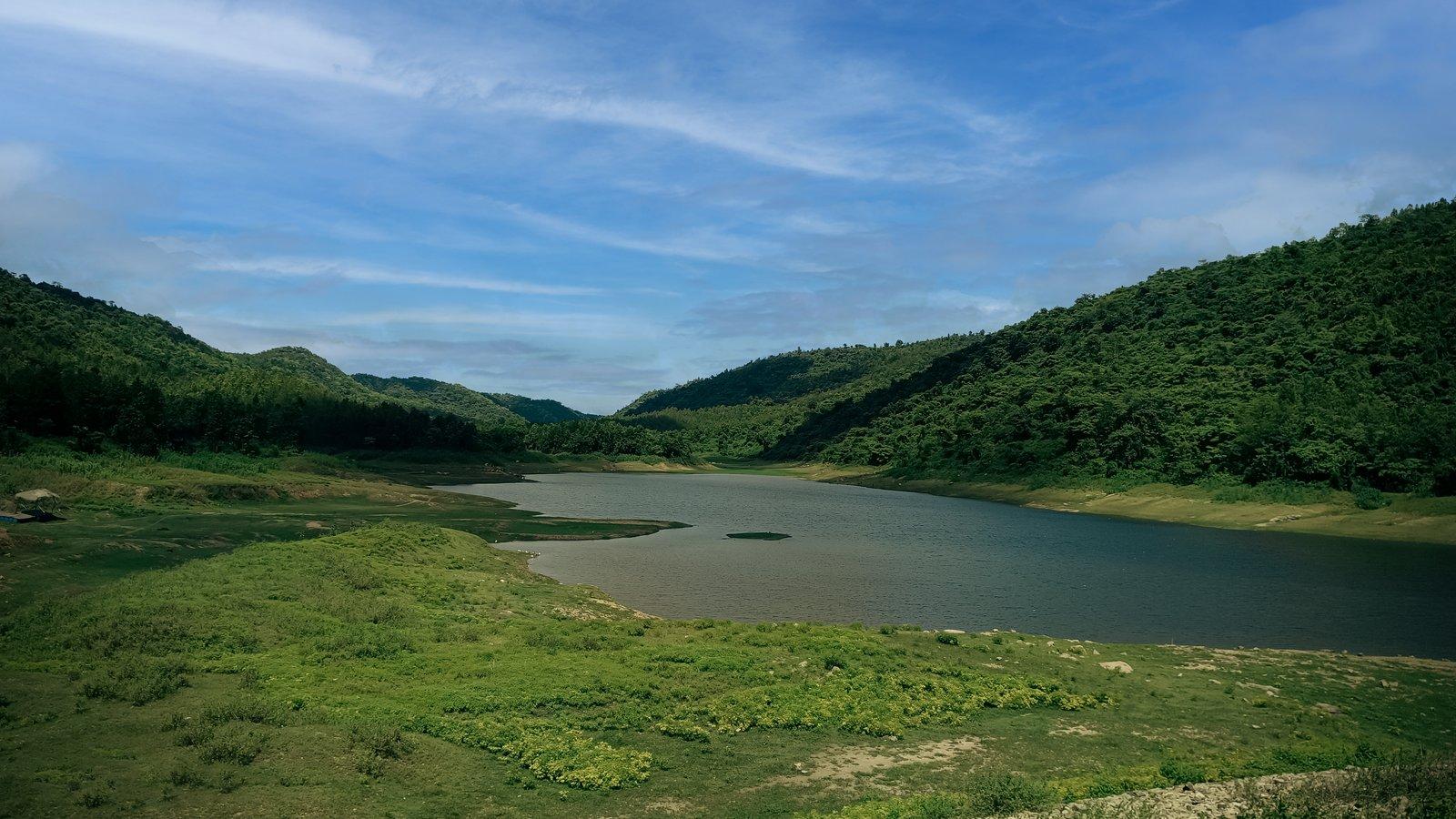
The reservoirs are the other monsoon draw. Most of the year's rain falls on their catchments between June and September, and the forested slopes around them turn a deep green.
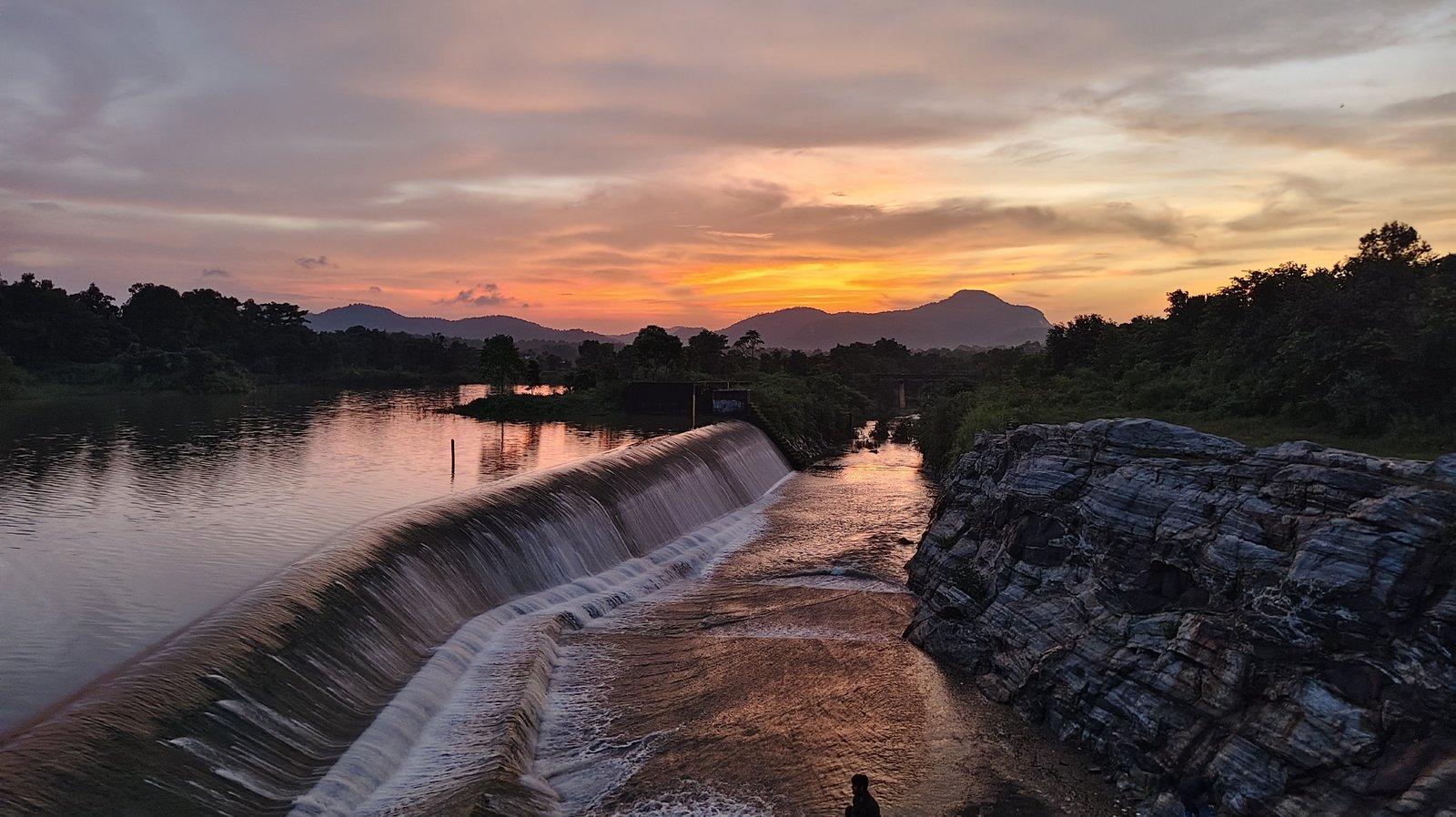
- Turga Dam, 9 km. The Turga stream and the falls above the reservoir come alive. Work on the Turga Pumped Storage Project was being contracted in 2026, so respect any fencing or closures.
- Lower Dam, 11 km, and Upper Dam, 16 km. The two reservoirs of the Purulia Pumped Storage Project sit in green hills in the rains. They are working reservoirs whose levels change as the plant runs, so stay on the road and off the embankment slopes.
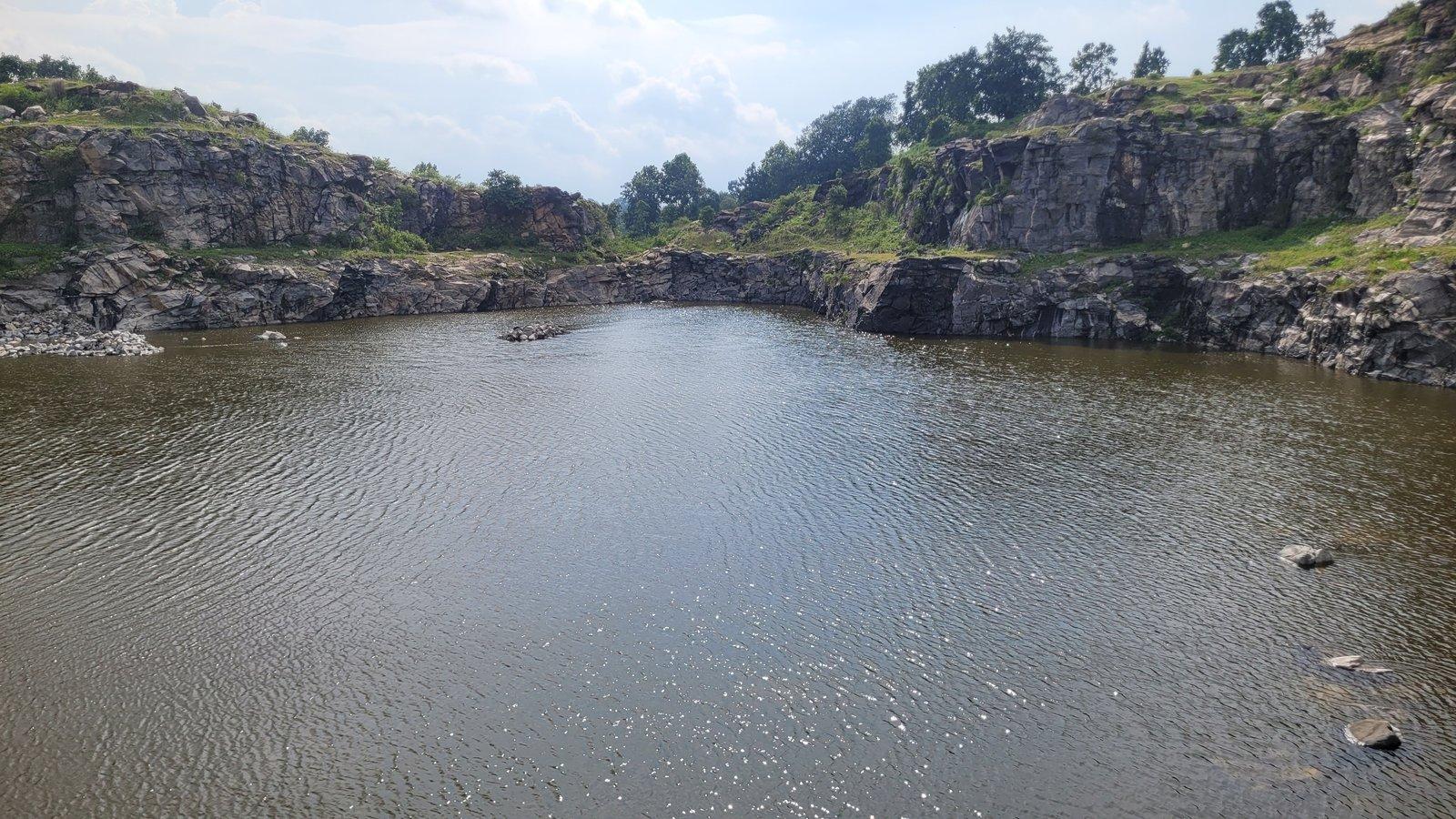
- Marble Lake, 19 km. A former quarry about 40 feet deep, enclosed by steep rock. Heavy rain can raise the hill streams around it suddenly; keep well back from the rim.
- Khairabera Dam, 22 km. The hills around the lake are at their greenest between June and September.
- Murguma Dam, 37 km. Outlook Traveller's 2026 monsoon visit found dense greenery, quite unlike the dry Purulia of popular imagination, and a short hike to a viewpoint over the whole lake.
Our guide to the dams and lakes of Purulia has more on each.
Monsoon festivals in Purulia's villages
The rains are the farming season, and the district's festival calendar follows the paddy. These are village and household celebrations, not staged events, so watch from a respectful distance and ask before photographing anyone.
- Erohk Sim and Batauli, in Asarh (mid-June to mid-July). Seed-sowing festivals of the Santals and the Mundas.
- Manasa Puja, on the last day of Shraban (about 15–16 August). Worship of Manasa, the snake goddess.
- Karam, in Bhadra (August–September). After the paddy is planted, villagers bring a branch of the karam tree from the forest, plant it in the village centre and dance through the night before immersing it the next morning. Outlook Traveller's writer saw villagers carrying green branches for Karam near Murguma.
- Bhadu, through the month of Bhadra. A celebration of the Aus paddy harvest, popular among the Bagdi and Bauri communities, with songs sung before an image of Bhadu all month and an immersion on the last day. Read more in our piece on Bhadu, the monsoon festival of Manbhum.
Monsoon safety: what to watch out for
Monsoon Purulia is beautiful, but most accidents here happen at the water's edge. Please take these seriously.
- Stay out of the water. Hill streams rise suddenly when it rains upstream. In July 2019, two college students bathing at Bamni Falls were caught by a flash flood and had to be rescued by police. At Dassam in Jharkhand, swimming is prohibited and many people have drowned.
- Mind the rock. Wet rock is slippery and the edges at Turga and Bamni are unguarded. Wear shoes with a firm grip and keep children well back.
- Expect leeches. They are common around Bamni in the rains. Long socks tucked over trousers help; check your legs after a forest walk.
- Cover up at dusk. Carry insect repellent and wear long sleeves in the evenings.
- Respect storms. When thunder starts, get off open hilltops, dam embankments and lake shores. Avoid the gorge viewpoint near Murguma in stormy weather; strong winds blow there and sudden heavy rain can bring flash floods.
- Drive by daylight. Take the winding hill road slowly in the wet and be out of the forest by dusk, when elephants move through these hills.
- Don't count on a signal. Mobile coverage is patchy in parts of the hills, so tell someone your plan.
What is quieter in the rains
Fewer visitors come in the monsoon, which is part of its appeal. Rooms are easier to find and the viewpoints and dams are quieter.
Some things do pause. At Pakhi Pahar, the bird-carved hill, carving stops in the rains, when the rock is too dangerous for carvers working on ropes, though the birds are still visible from the road. At Charida, many mask makers switch to making Durga and Kali images, so workshops are quieter, but you can still visit and buy masks. Rock-climbing courses on Matha Buru and Joychandi have traditionally been held in the cool months, not the monsoon. The crowds return with the Durga Puja holidays in October.
Planning a monsoon trip to Purulia
- Pick your month. July and August bring the most rain and the deepest green. September and early October keep the falls strong with fewer rainy days: about 10 in September and 4 in October, on average.
- Stay close and stay flexible. From Rangamati, Turga Falls is 11 km and Bamni 13 km, so you can wait for a break in the weather and go.
- Pack for wet. A rain jacket, quick-dry clothes, sandals or shoes with good grip, repellent and a dry bag for your phone. See our list of what to pack for Purulia.
- Use local help. The resort can arrange guided sightseeing and cabs with drivers who know the hill roads, and station pickup from Barabhum or Purulia Junction on request.