At a glance
- Purulia suits couples who want quiet: short drives between hills, dams and forest, and dark, starry evenings.
- For sunsets, go to Khairabera Dam or walk the long embankment at Murguma; for wide views, climb the tower on Mayur Pahar.
- Spring brings the red palash flowers, usually from around late February or March into April; the monsoon (June to September) turns the hills green.
- Bonfires, Baul songs, Santhali dance and Chhau can be arranged at the resort on request, at extra cost.
- Villages and temples are people's homes and places of worship: dress modestly, keep affection private and ask before photographing anyone.
Purulia for couples is about quiet more than spectacle: low forested hills, long blue reservoirs, villages that wake with the light and evenings by a fire under a sky full of stars. In the Ajodhya Hills the sights are a short drive apart and there is no nightlife to speak of. Here is where to watch the sun go down, which season suits you best, a simple two-night plan and how to be good guests in the villages.
Why Purulia works for couples
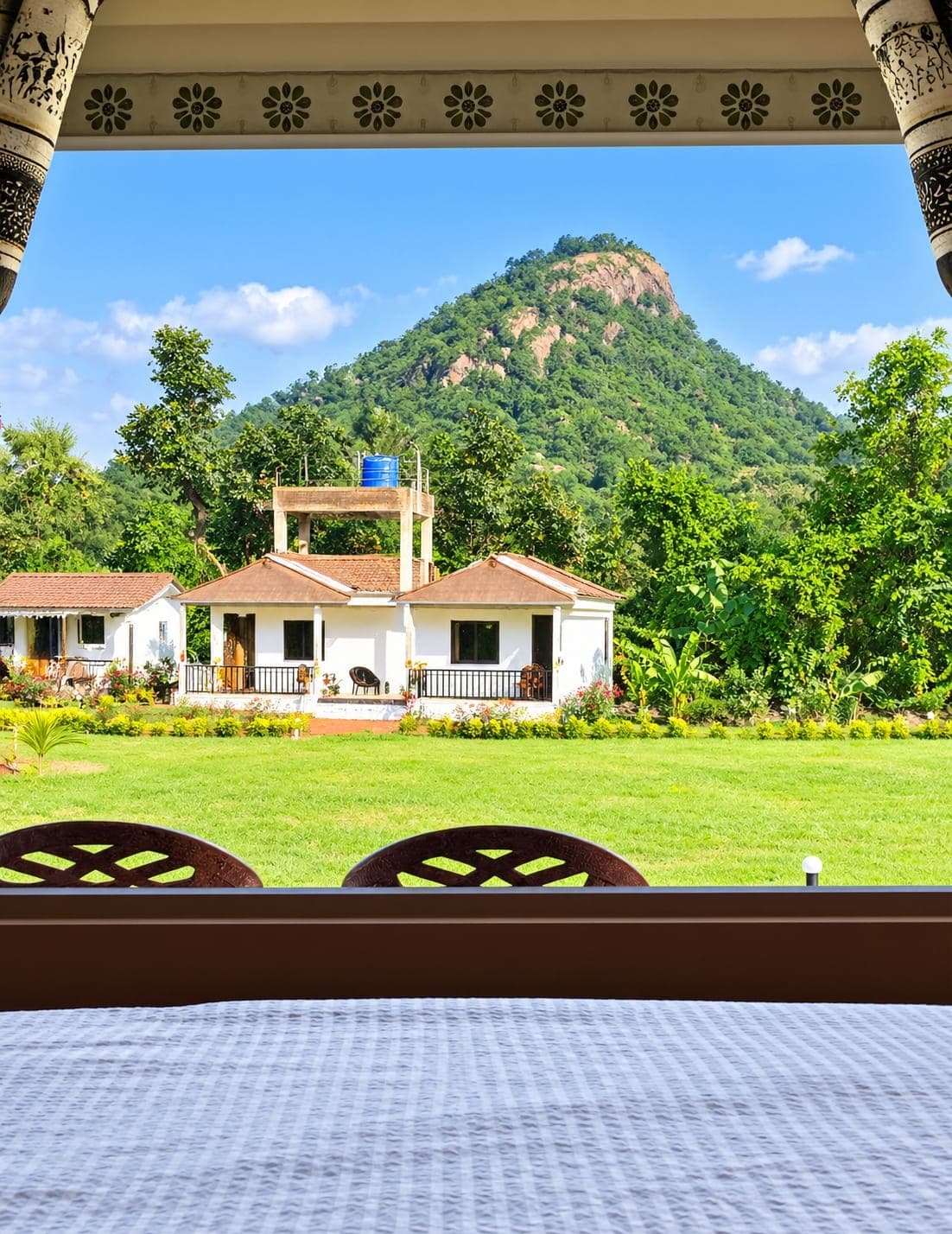
Most of what you will want to see sits within about 20 km of our cottages at the foot of Matha Buru, so days are unhurried. You can spend a morning on the hill road, come back for lunch and a rest, and go out again for the late light.
The landscape does the rest. Sal and teak forest, bare granite hills and reservoirs that catch the changing light make a quiet backdrop for a slow trip. In the evening the stars come out over the hills, and you can hear the forest instead of traffic.
Getting here is easy too. The overnight train from Howrah reaches Barabhum, our nearest station, early in the morning, so a Friday-night departure gives you two full days; our weekend trip from Kolkata guide has the trains.
Best sunset and sunrise spots for couples
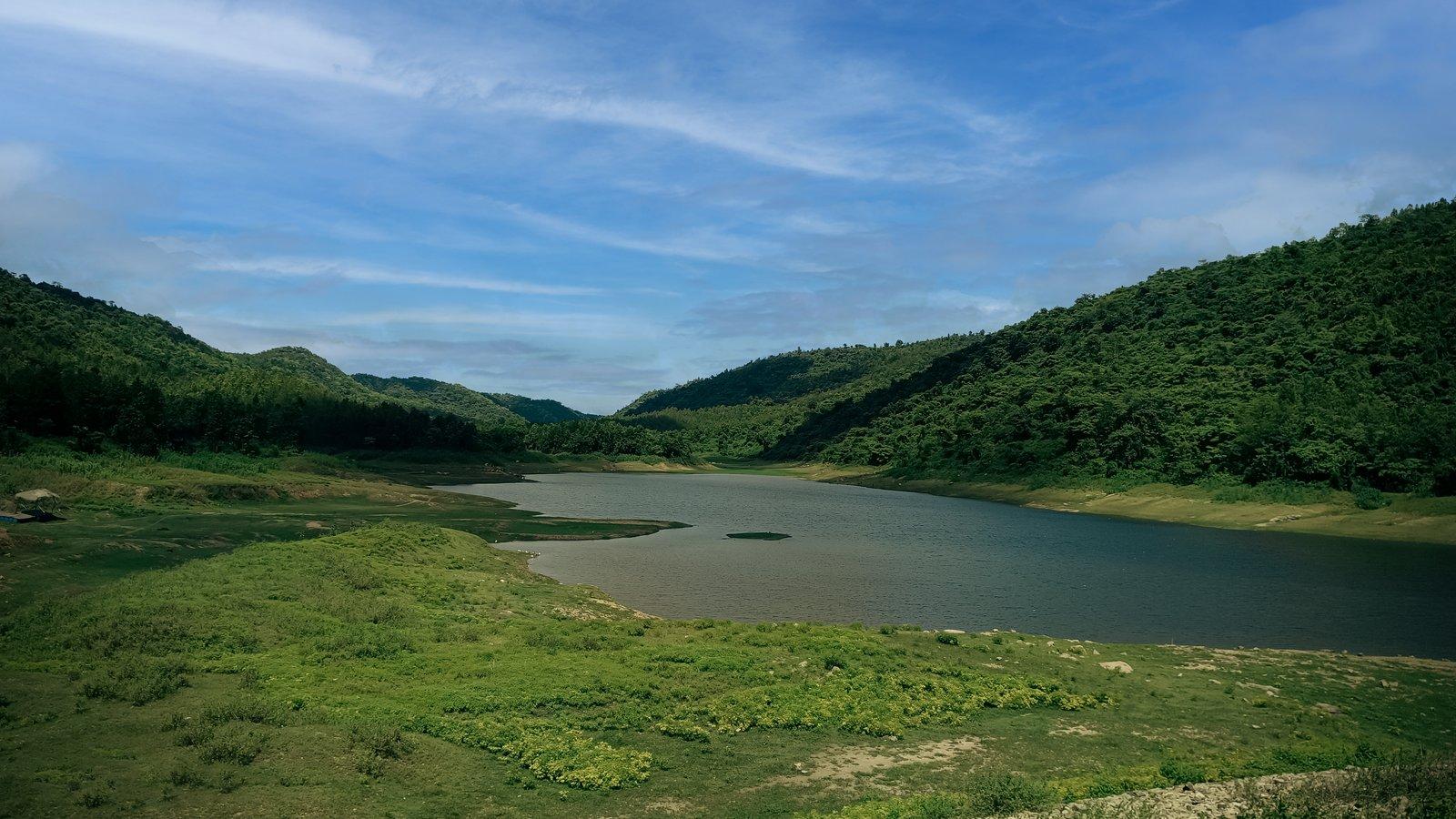
Khairabera Dam (22 km) is a wide reservoir ringed by low hills at the edge of Koreng village. Outlook Traveller's writer watched the sun set over the hills beside the lake, then waited for the stars to come out over the water. The only other sounds were cattle bells and a kingfisher.
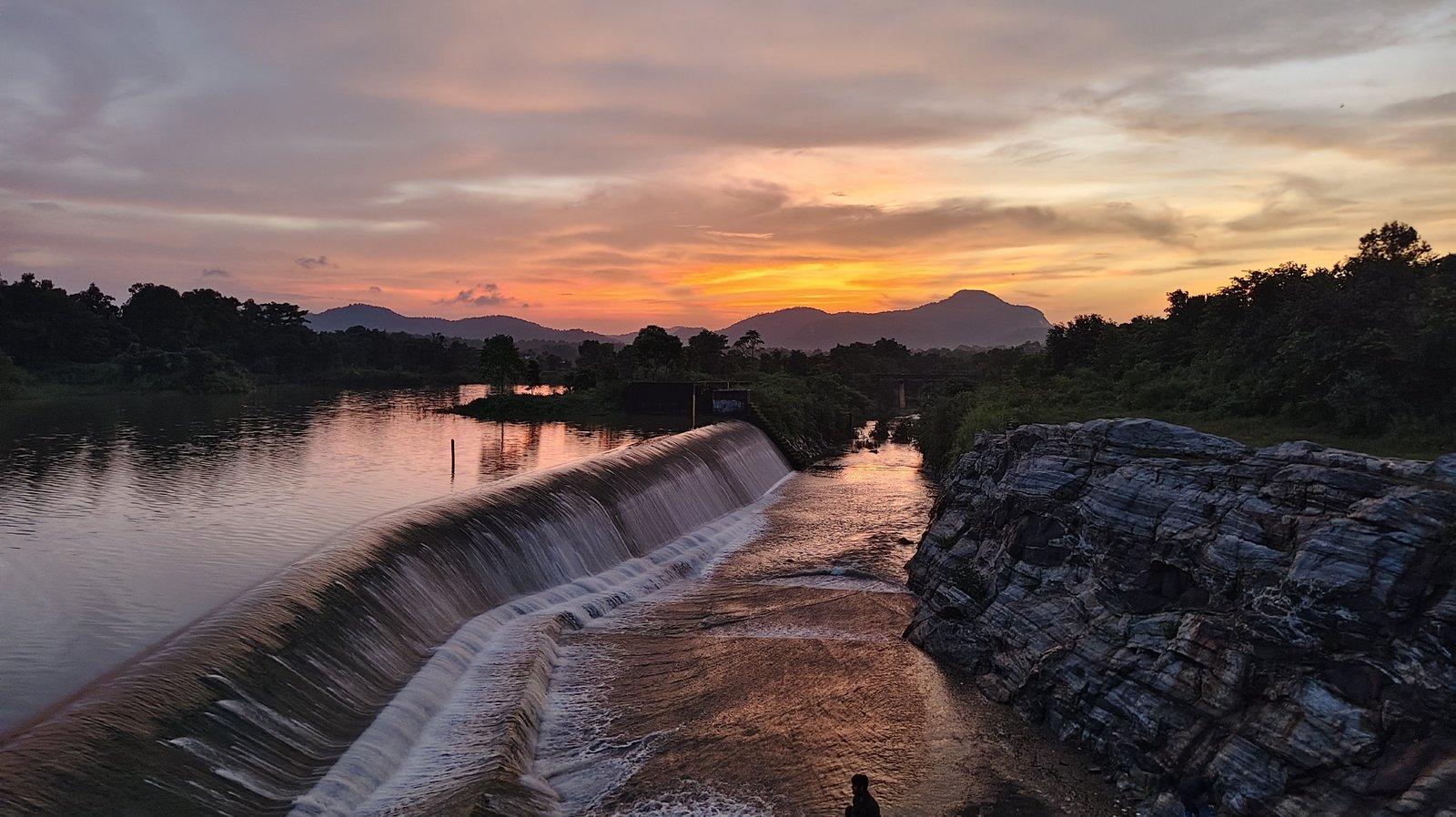
Murguma Dam (37 km) has an earth embankment more than 2 km long, with the Ajodhya range behind the lake. A slow walk along it in the late afternoon, as the low sun lights the water and hills, makes a lovely end to a day. Skip the gorge viewpoint nearby in windy or stormy weather.
Mayur Pahar (20 km) has an observation tower with a wide view over the forested ridges of the range. About 120 steps without a handrail lead up from the parking area.
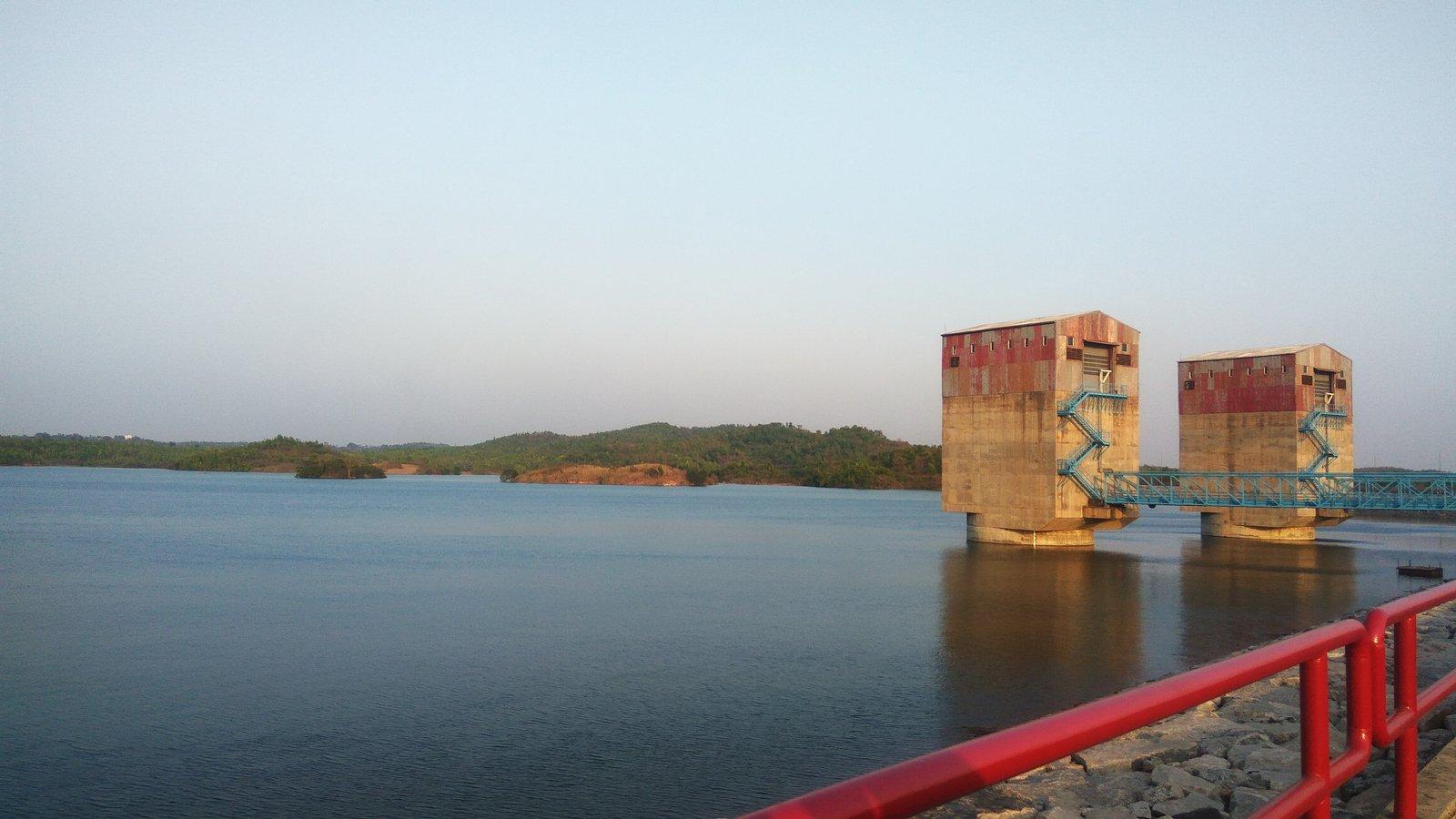
The Upper Dam (16 km) is good for a wide view at any hour. A road runs along the embankment, with the reservoir on one side and dense forest on the other.
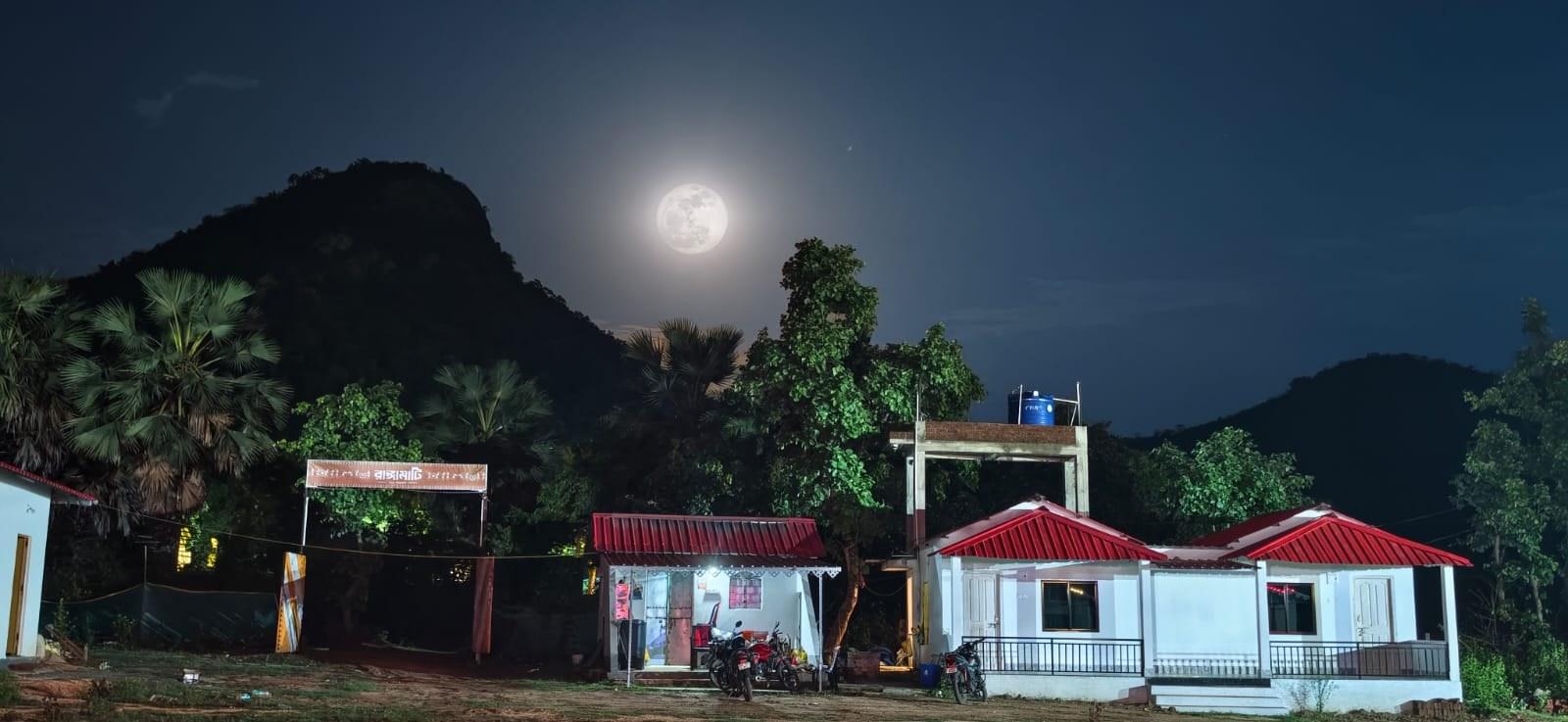
For sunrise, local guides take early risers to Usuldungri, a viewpoint with a watch tower on the south-eastern side of the plateau, about 29 km from the resort. Go only with a driver who knows the village roads. On full-moon evenings, look out for the moon coming up over the hill behind our cottages.
Our guide to sunrise and sunset points in Purulia covers more places.
Quiet places for a slow afternoon
Not every stop needs a view. Some of the nicest hours are spent doing very little:
- Lahariya Dam and temple (about 10 km): a small reservoir among fields at the foot of the hills, with a village Shiva temple at its edge.
- The Upper Dam on a weekday, for a slow drive along the embankment.
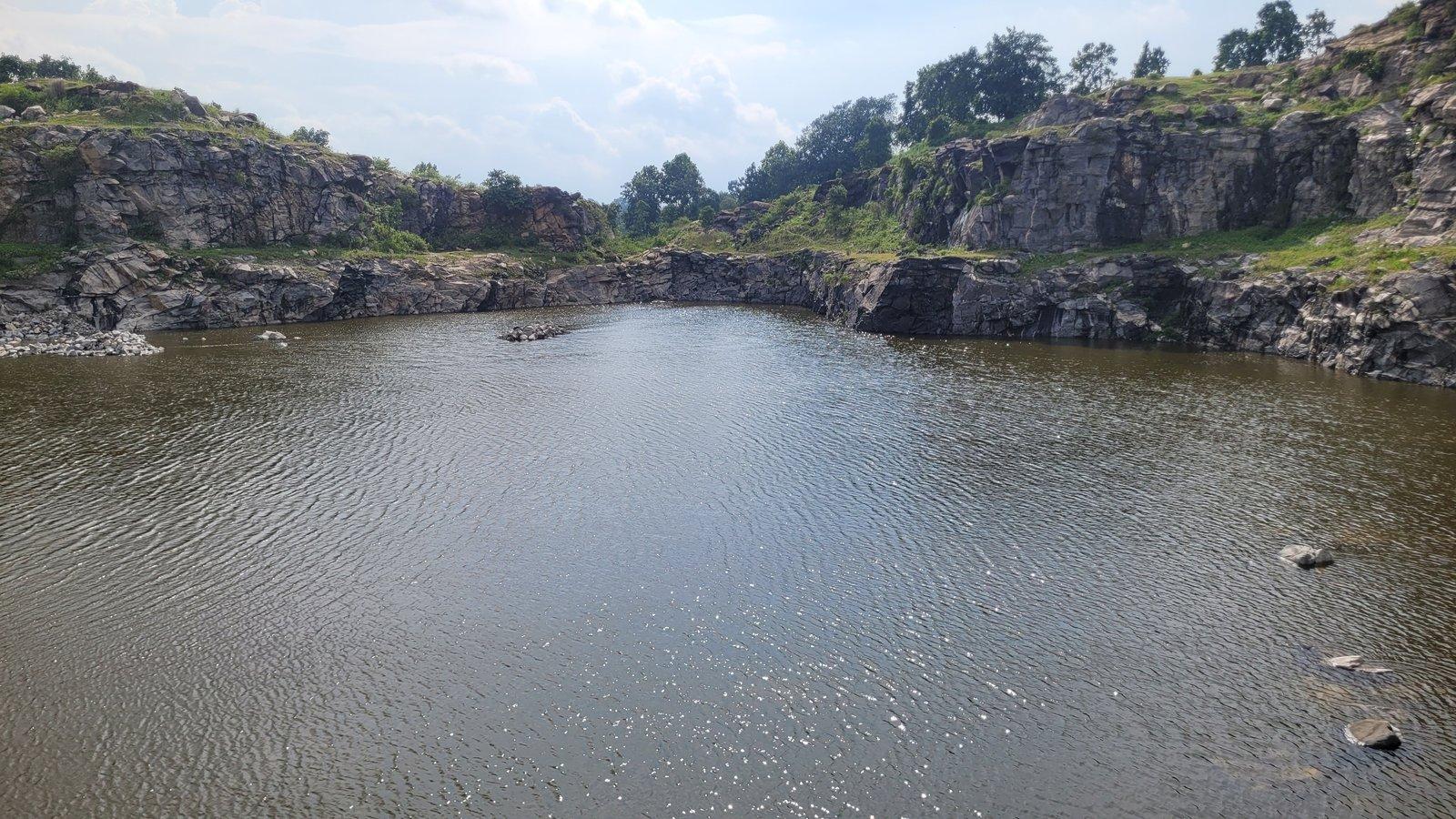
- Marble Lake (19 km), early in the day before the crowds. Its deep water is bluest on a clear, bright day. Keep back from the rim, which drops straight into water about 40 ft deep.
- The resort lawn. Birds and peacocks are about the lawn and pond, and an afternoon with a book is part of the point.
Bonfire nights and folk music at the resort
Evenings here are slow and unhurried. On request, we can arrange:
- A bonfire on the lawn after dinner, with BBQ chicken if you like.
- Baul songs, sung by wandering minstrels of Bengal with the ektara and dotara.
- Santhali dance, with linked arms, swaying lines and the madal drum.
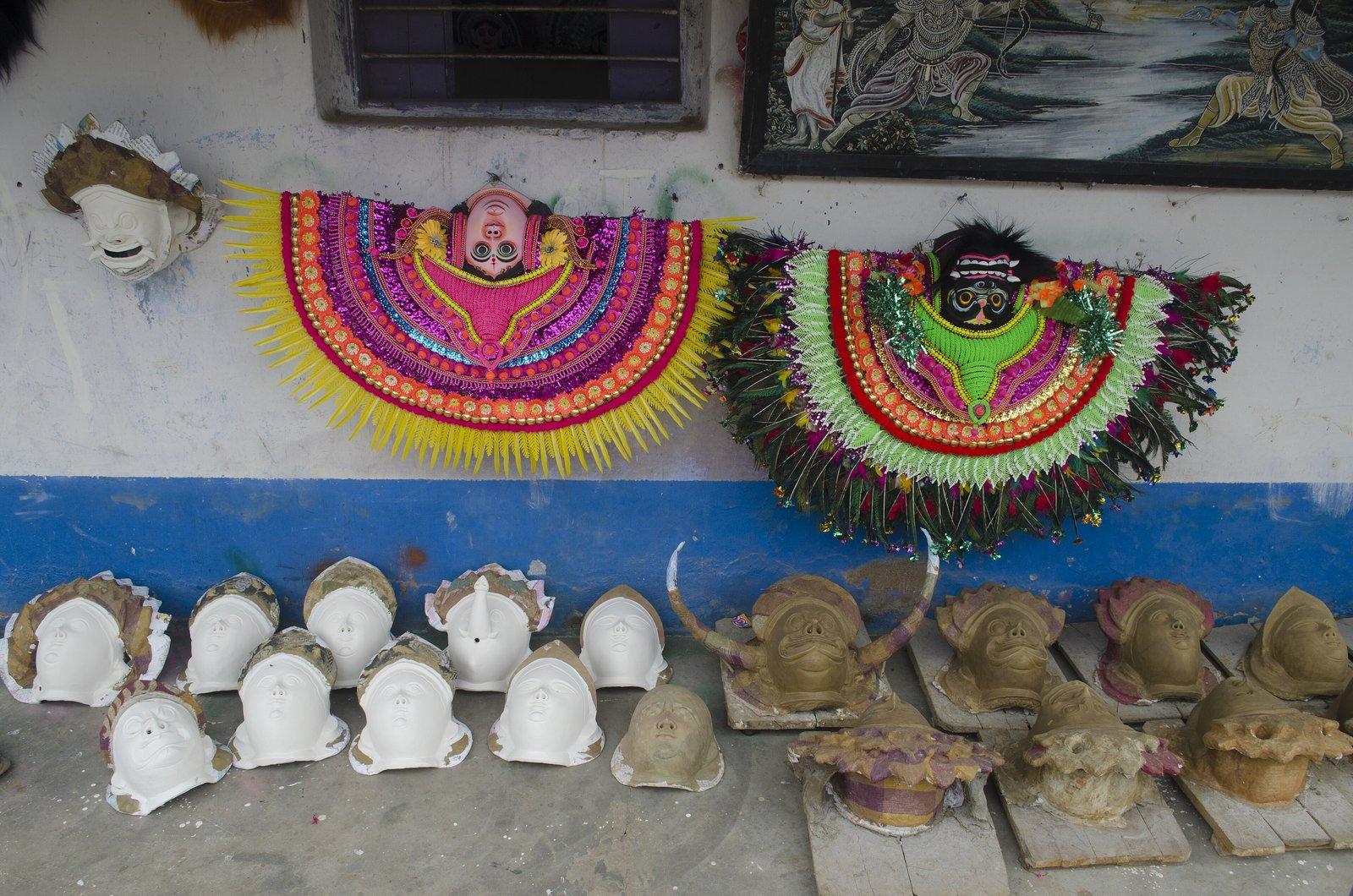
- Chhau, Purulia's masked dance of drums and acrobatics.
All of these are chargeable and arranged on request; see Experiences and mention what you would like when you book.
Purulia for couples by season: palash, winter and monsoon
Winter (November to February) is the main season. Days are mild and nights are cool: January lows in Purulia average about 12°C (IMD 1991–2020). This is bonfire weather, and the clear, dry evenings are best for stars.
Spring brings the palash, the "flame of the forest". Its red flowers usually appear from around late February or March into April, and the timing shifts from year to year. Around Holi the trees round Khairabera Dam turn red. See our guide to palash season in Purulia for where to find the best of it.
Monsoon (June to September) is for couples who like rain. July is the wettest month, with about 340 mm of rain on average. The red earth turns green and the waterfalls run, but rock gets slippery and streams can rise suddenly. Our Purulia in monsoon guide has the details.
Summer (April to June) is very hot, with April and May highs averaging about 37–38°C. If you come then, choose an air-conditioned room (our Double Bed rooms have AC; see Stay) and go out early and late.
A two-night plan for couples
- Day 1, afternoon: Arrive and settle in. In the late afternoon, drive the short way to Pakhi Pahar to see the giant birds carved into the rock, or to the Lahariya temple. Be back by dusk for a bonfire and Baul songs.
- Day 2, morning: Take the hill road at an easy pace: the Lower Dam, Marble Lake while the light is clear, the Upper Dam and Sita Kund near the hill top. Climb Mayur Pahar if you feel like the steps.
- Day 2, afternoon: Rest at the resort, then head to Khairabera for the late afternoon by the water and the sunset. Drive straight back afterwards.
- Day 3: On your way out, stop at Charida, where the Chhau masks are made. Among the smaller pieces, artisans make a popular pair of "Santhal" couple masks; a pair bought directly from the makers is a good souvenir of the trip.
Adding a third night: Garh Panchkot and Baranti
A third night gives you time to head north, either as a long day trip or by moving on and staying near the lake. Garh Panchkot (about 110 km from the resort) is the ruined capital of the Panchkot rajas, with a terracotta temple and old gateways scattered through forest at the foot of Panchet Hill. Outlook Traveller advises leaving the hill by late afternoon, as it is deserted after sunset.
Baranti (about 120 km) is a village on a reservoir ringed by low hills, known for its sunsets: as the sun drops, the lake turns red and gold. It is simple, though. As of April 2026 there was no ATM or chemist in the village and mobile signal was weak, so carry cash and any medicines you need. Our Garh Panchkot and Baranti day trip guide has the route.
Privacy and respect in villages and temples
The villages around the Ajodhya Hills are home to Santal and other Adivasi communities as well as other village families. They are not a backdrop. A few simple habits make you welcome guests:
- Keep affection private. Village life follows its own customs, and what passes unnoticed in a city can cause offence in a village lane or at a temple.
- Dress modestly at temples and at Sita Kund, which local people hold sacred.
- Ask before photographing people, their homes or their rituals, and accept a "no" with good grace.
- Keep it quiet. No loud music at dams, viewpoints or in the forest.
- Leave no litter. Villagers near the dams say plastic left by picnickers has killed their cattle.