At a glance
- Shoes with a firm grip matter in every season: Bamni Falls, Mayur Pahar and Joychandi all mean steep steps or bare rock.
- Winter (November–February) needs layers: days average 24–29 °C but December and January nights drop to about 12–13 °C.
- For March to May pack light, loose cotton, a hat, sunscreen and oral rehydration salts; highs average 37–38 °C in April and May.
- For June to September pack a rain jacket or poncho, quick-drying clothes, spare socks, a dry bag and insect repellent.
- Always carry cash in small notes, a torch, a power bank, personal medicines and a bag to take your litter home.
What to pack for a Purulia trip depends on the month. In the hot months (March to May) you want light cotton, a hat and plenty of water; in the monsoon (June to September) rain gear and quick-drying clothes; and in winter (November to February) warm layers, because December and January nights average only 12–13 °C. In every season bring shoes with a firm grip, a torch, some cash and a basic first-aid kit.
The lists below follow the weather of the Ajodhya (Ayodhya) Hills and the sights most visitors cover, from waterfalls reached by rough steps to open dam embankments with little shade.
The year-round essentials
Whatever the month, these earn their place in the bag:
- Shoes with grip. The single most important item; there is more on this below.
- A refillable water bottle and snacks. Facilities near many sights are limited, and some, like the temple ruins at Deulghata, have no stalls or toilets at all.
- Cash in small notes. Mobile signal is patchy in the hills, so UPI cannot always be relied on, and tea stalls, guides and parking are easiest paid in cash.
- A torch or headlamp, and a power bank. Lake roads and village lanes are dark after sunset, and you may go a while between charging points.
- Offline maps downloaded before you leave the highway, plus your bookings saved on the phone.
- Sun protection: a cap or hat, sunglasses and sunscreen. Dam embankments and hilltops are open to the sky even in winter.
- Insect repellent, especially from dusk.
- Personal medicines and a small first-aid kit: plasters, antiseptic, pain relief, oral rehydration salts and anything you take regularly. Pharmacies can be hard to find away from the towns.
- A day bag and a spare bag for litter, so nothing gets left at a picnic spot.
- A government photo ID, which places to stay in India generally ask for at check-in.
Footwear for Purulia's rocks and steps
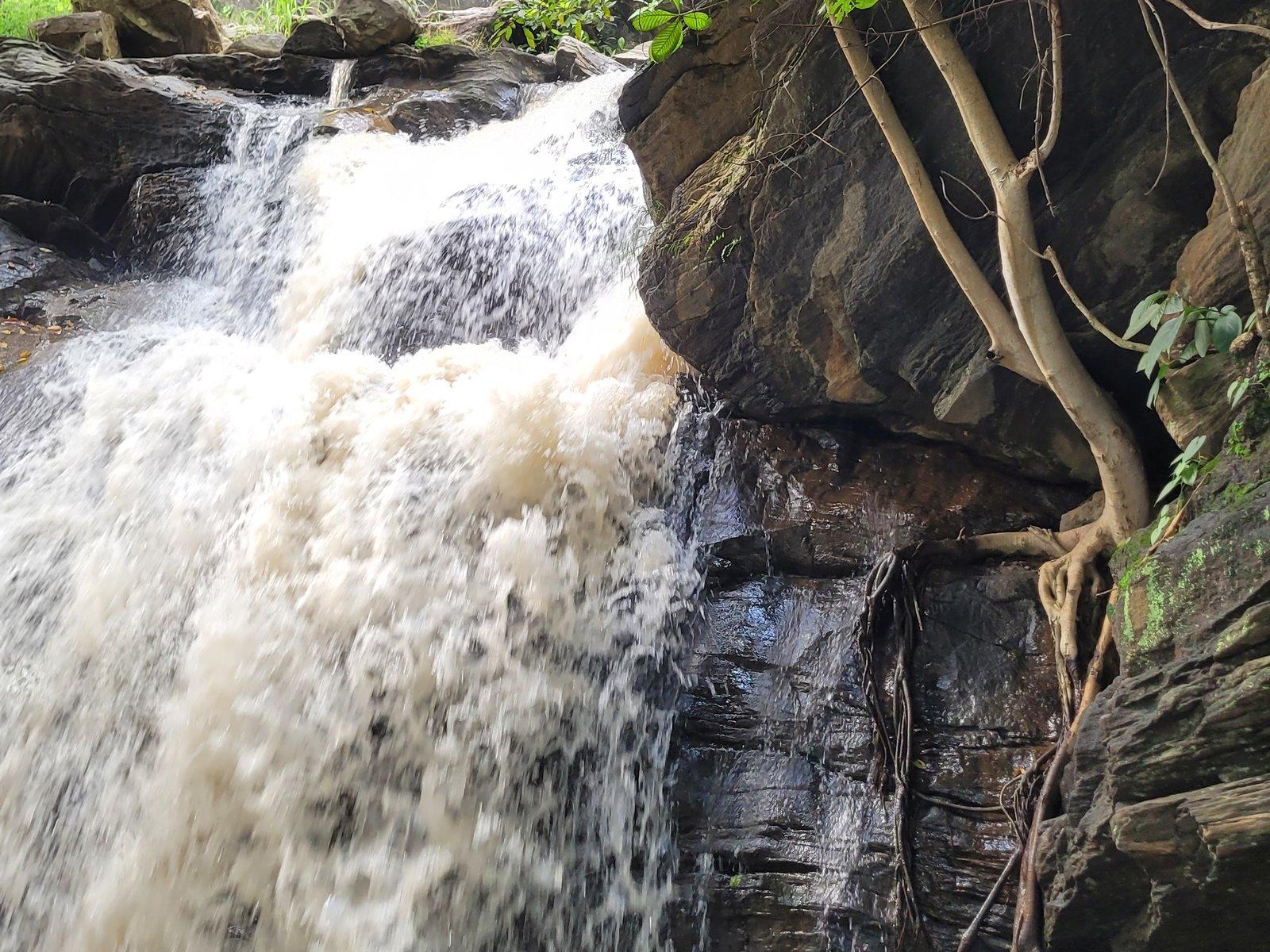
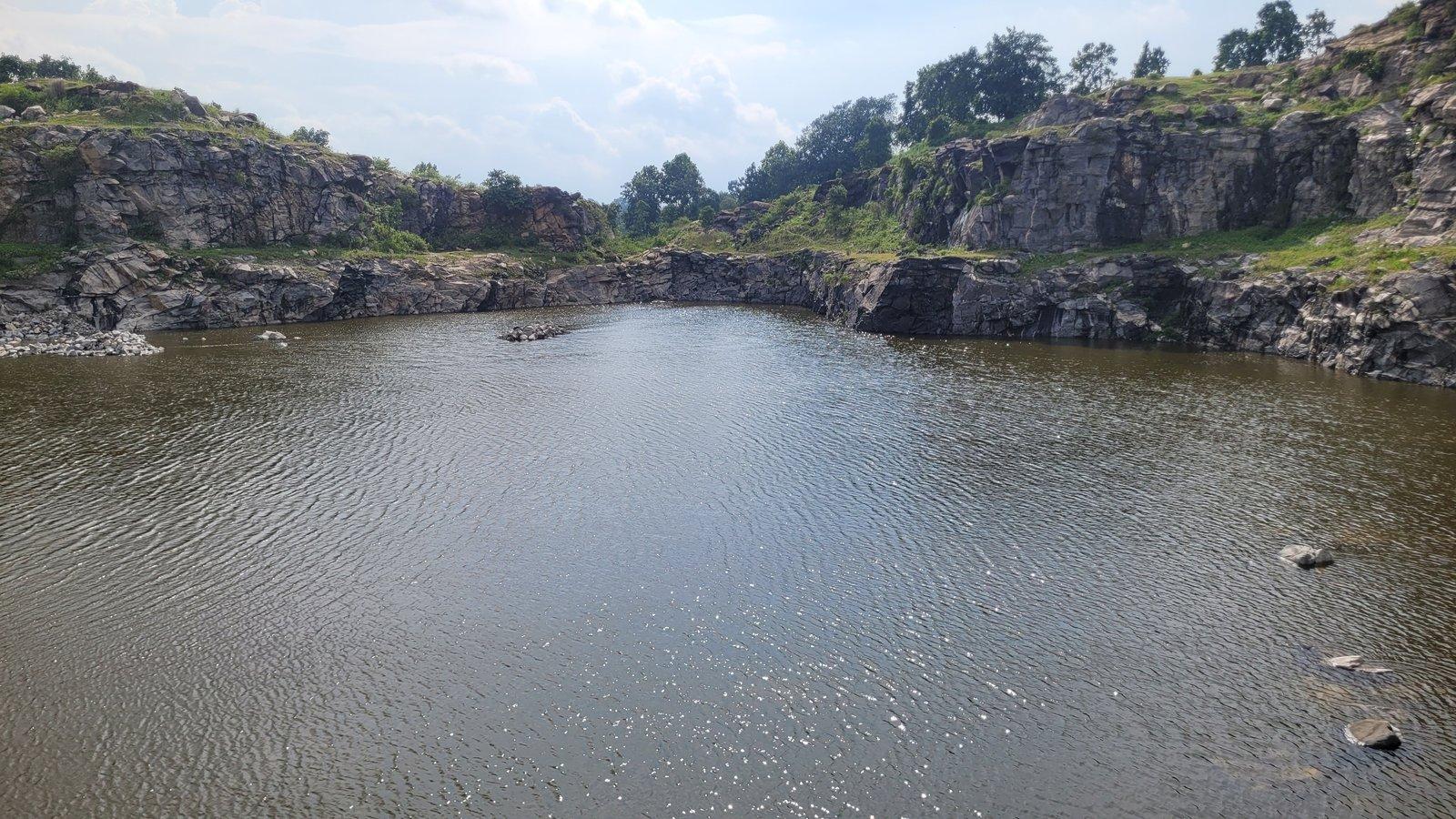
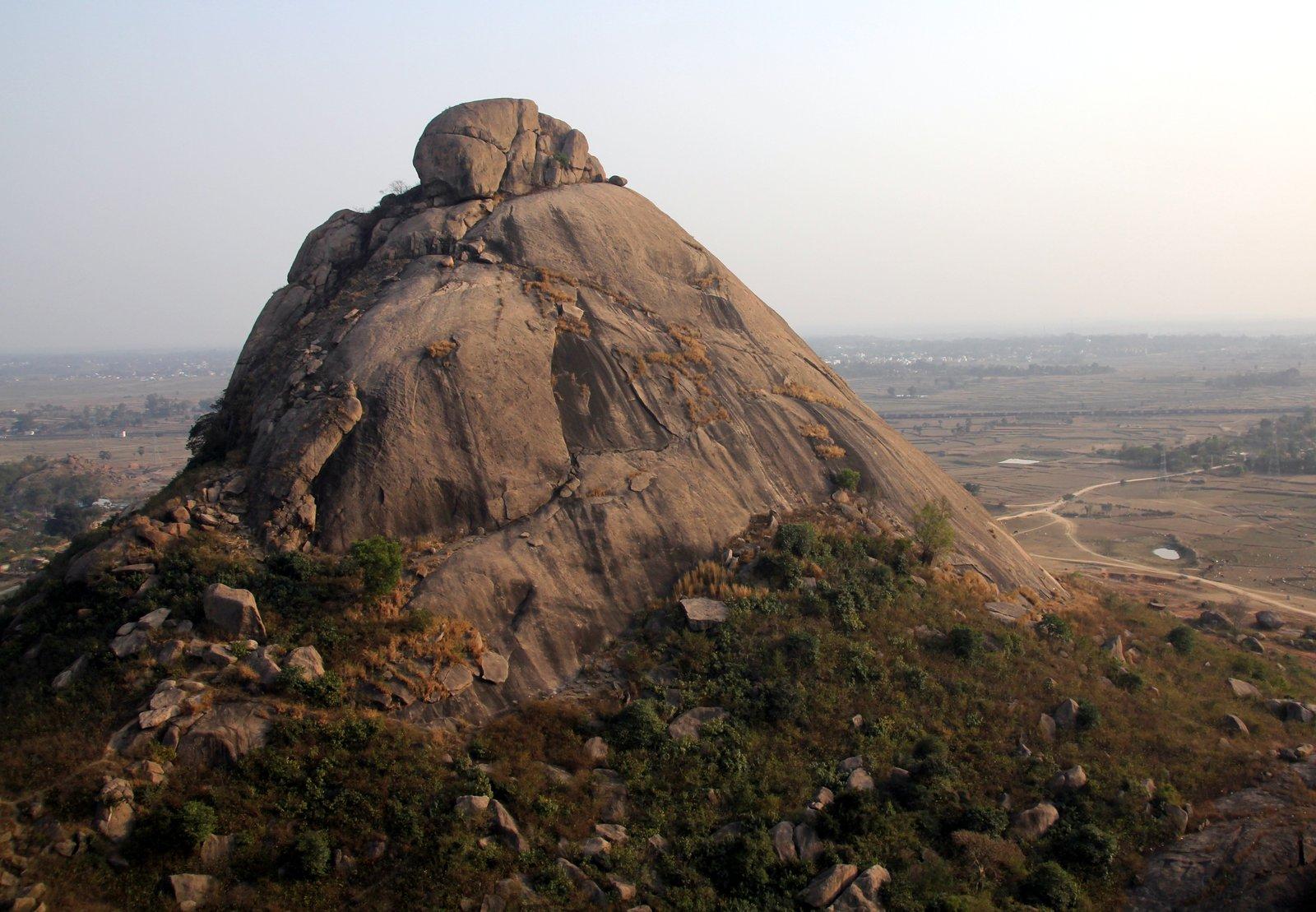
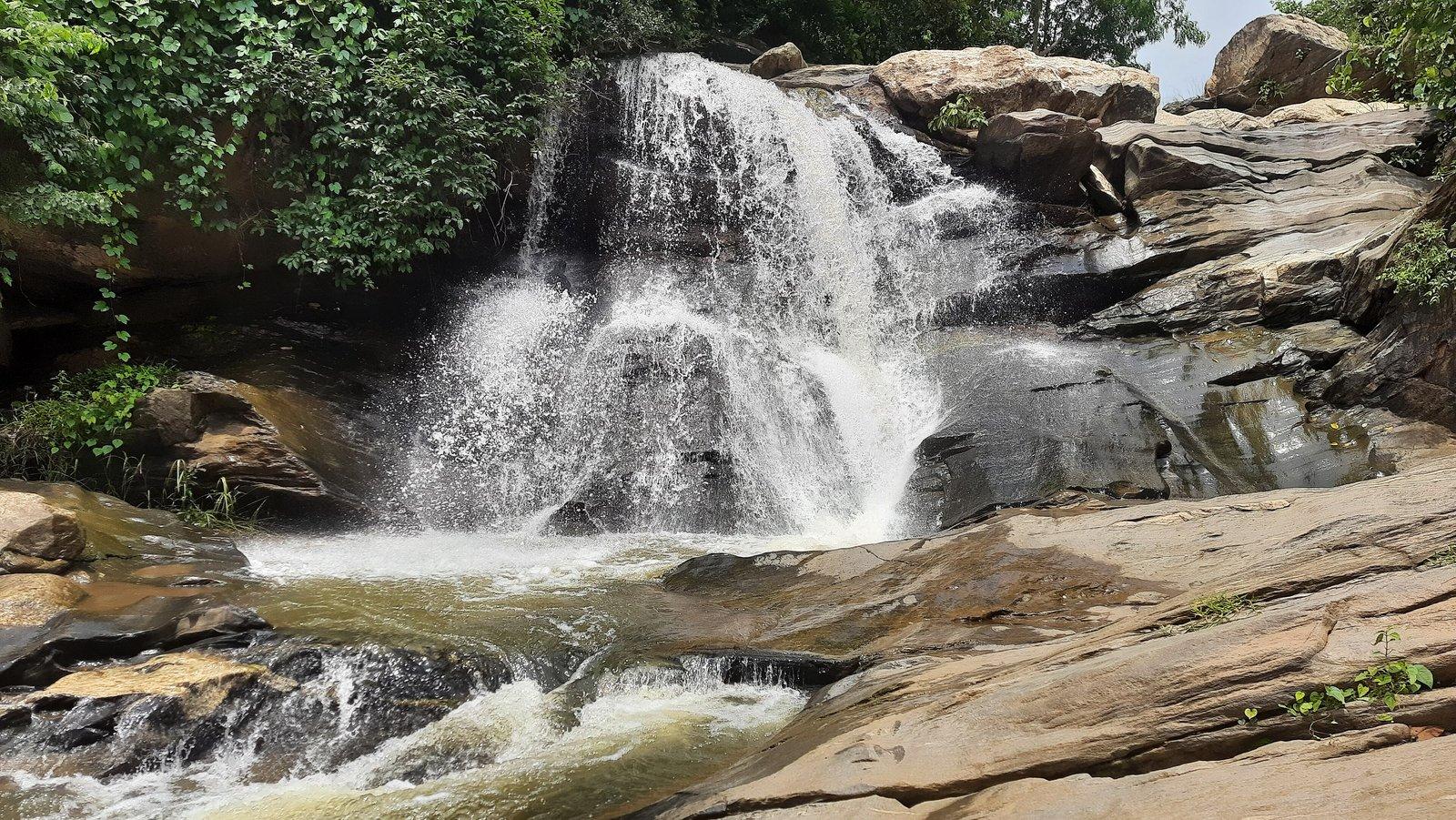
Plenty of Purulia's best places involve a scramble. At Bamni Falls a steep path with narrow steps drops through the forest from the road, and below the upper falls the way down is over bare rock. The approach to Turga Falls is a rocky trail, the rim of Marble Lake is broken stone, and Mayur Pahar ends in a flight of over a hundred steps without a handrail. At Joychandi Pahar the climb to the temples is several hundred steps.
- Pack closed walking or trail shoes with a deep tread, already broken in.
- Bring a second pair, or quick-drying sandals with a heel strap, for the drive and the evenings.
- Choose shoes you can slip off easily: you will remove them at temples and shrines.
- Leave flip-flops for the hotel. They are the usual cause of slips on wet rock.
What to pack for a Purulia trip in winter
November to February is the main season, and the packing is all about layers. IMD averages for Purulia put daytime highs at 24–29 °C, while December and January nights average about 12–13 °C and the lowest temperature on record is 3.8 °C.
- T-shirts or light shirts for the day.
- A sweater or fleece, and a warmer jacket for evenings outdoors and dawn starts.
- A cap or muffler and warm socks for sunrise viewpoints and bonfire nights.
- Comfortable full-length trousers for walks through scrub and forest.
- Lip balm and moisturiser; the air gets drier towards February.
- Binoculars, if you enjoy birds: winter brings migratory waterbirds to the reservoir at Murguma.
Days are short, with sunset at about 5 pm in December, so keep the torch handy. For more on the season, see our guide to Purulia in winter.
Packing for the hot months (March to May)
Heat builds fast after mid-March. April and May average highs of 37–38 °C, and Purulia has recorded 46.3 °C, while the air in March and April is at its driest. March is palash season, so many people come then, when it is warm but not yet at its hottest.
- Loose, light-coloured cotton or linen, with long sleeves to keep the sun off.
- A wide-brimmed hat and good sunglasses.
- High-SPF sunscreen, reapplied through the day.
- Oral rehydration salts or electrolyte sachets.
- An insulated bottle, and more water than you think you need.
- A cotton scarf or gamchha, the local cotton towel, sold in most local markets, which works as sunshade, sweat rag and seat cover.
Plan the day around the heat: out at sunrise, rest in the afternoon, out again after four. May also brings the first storms, with average rainfall climbing to about 80 mm, so a light rain jacket is worth packing late in the season. Our summer guide has more.
Packing for the monsoon (June to September)
This is the wettest time of year: July averages about 340 mm of rain over some 16 rainy days. The hills turn green and the falls are full, but paths are muddy and leeches are common in the forest.
- A rain jacket or poncho. It is more practical than an umbrella on a forest path, though an umbrella helps in town.
- Quick-drying clothes, and avoid denim, which stays wet all day.
- Several pairs of spare socks; long socks also help against leeches when trousers are tucked in.
- Shoes with deep tread that you don't mind getting muddy.
- A dry bag or zip-lock bags for your phone, wallet and camera.
- A small microfibre towel.
- Insect repellent, used generously in the evening.
The falls are at their most dangerous now, and flash floods can come without warning, as two students caught while bathing at Bamni found in July 2019. Pack for walking and watching, not for getting in. Our guide to Purulia in the monsoon covers the season in detail.
Packing checklist by season
| Item | Winter (Nov–Feb) | Hot season (Mar–May) | Monsoon (Jun–Sep) |
|---|---|---|---|
| Walking shoes with grip | Essential | Essential | Essential |
| Fleece or warm jacket | Essential | Leave at home | Leave at home |
| Light long-sleeved cotton | Useful | Essential | Useful |
| Hat, sunglasses, sunscreen | Useful | Essential | Useful |
| Rain jacket or poncho | Leave at home | Useful in May | Essential |
| Insect repellent | Useful | Useful | Essential |
| Spare socks and a dry bag | Useful | Optional | Essential |
| Oral rehydration salts | Useful | Essential | Useful |
| Torch and power bank | Essential | Essential | Essential |
| Cash in small notes | Essential | Essential | Essential |
Extra items for children and older travellers
Families with young children should add sun hats, a spare set of clothes, plenty of snacks and a small torch each, so the evening walk back from dinner becomes part of the fun. Keep children well back from the edges at Marble Lake and the falls. Our family trip guide suggests the easier sights.
Older travellers may want a walking pole or a knee support for the steps at Mayur Pahar and Joychandi, a cushion for long drives, and a written list of their medicines with doses. Many viewpoints, such as the Upper Dam, can be enjoyed from the roadside. See our guide to a Purulia trip for senior citizens for more.
What you can leave at home
- Swimwear for the falls and dams. Bathing there is dangerous: the streams can rise suddenly, Marble Lake is about 40 feet deep with steep sides, and the dam reservoirs belong to a working power station.
- A portable speaker. Loud music carries a long way in the forest and the villages.
- Single-use plastic. Bring a refillable bottle and take every wrapper home.
- Valuable jewellery you would not want to lose on a rocky path.
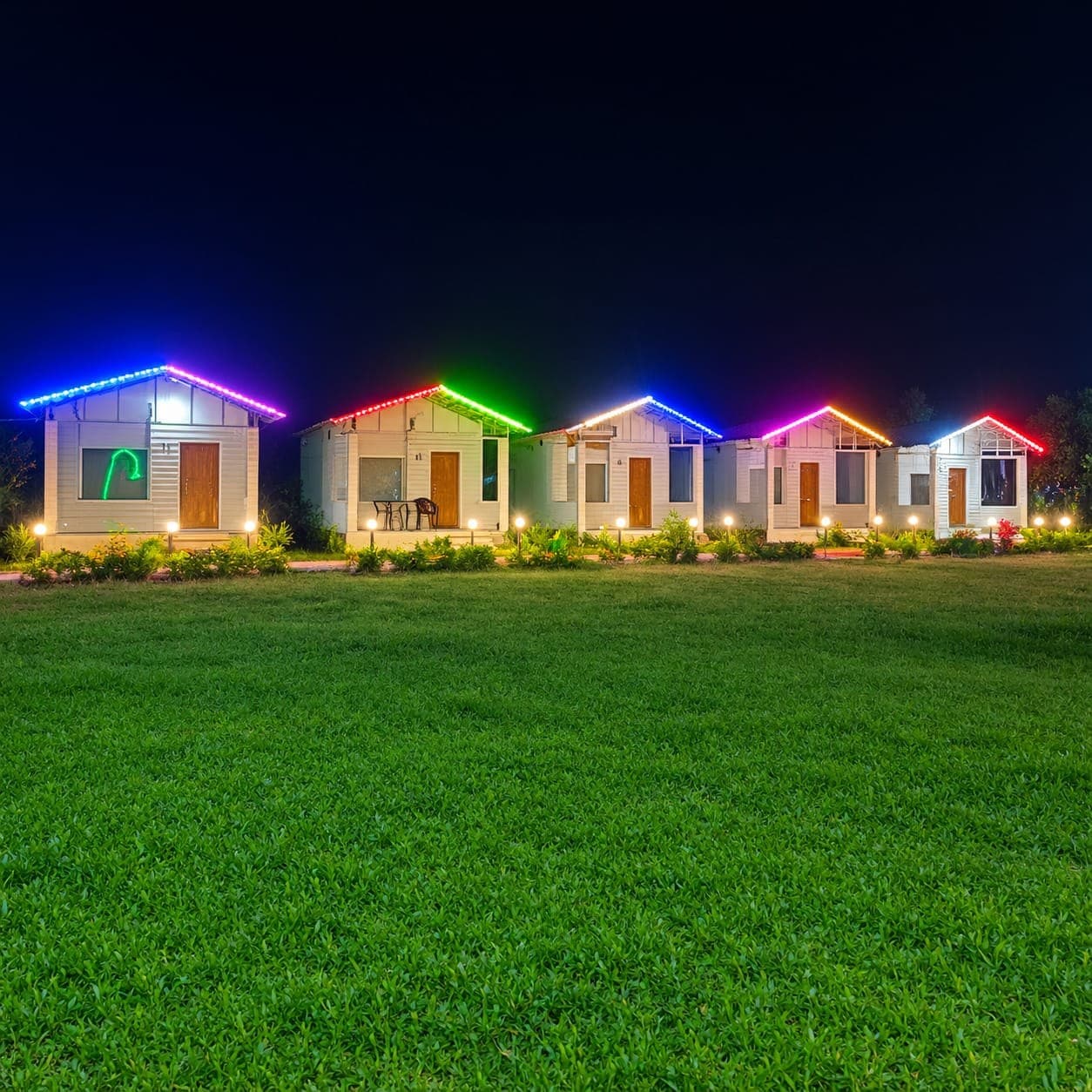
If you are staying with us at Rangamati, the rooms have geysers for hot water, the Double Bed rooms are air-conditioned and there is 24-hour power backup, so the power bank is for days out rather than nights in. Do bring a warm layer for the lawn after dark in winter, when a bonfire can be arranged on request.