Explore Purulia

Sacred spring

Sitakund

A small sacred spring tied to the Ramayana, near Ajodhya hill top.

Directions
  • 20 kmBy road from the resort
  • North-eastOf the resort
  • Sacred springTemples & culture

Overview
Sacred spring

Visiting Sitakund

Sita Kund is a small spring near Ajodhya hill top where, by local legend, Rama shot an arrow into the ground to bring up water for a thirsty Sita during their exile. Cold water bubbles up through fine white sand into a stone-ringed pool, ponds with floating lotus lie around it, and both the spring and the Ram Mandir nearby are held sacred by the people of the hills.

The spring is in Bagandi village, in the Ajodhya gram panchayat, within walking distance of the hill-top settlement. It is a small, well-like pool; the district administration describes cold water rising through white sand, small water bodies with lotus floating on them, and medium-dense forest all round.

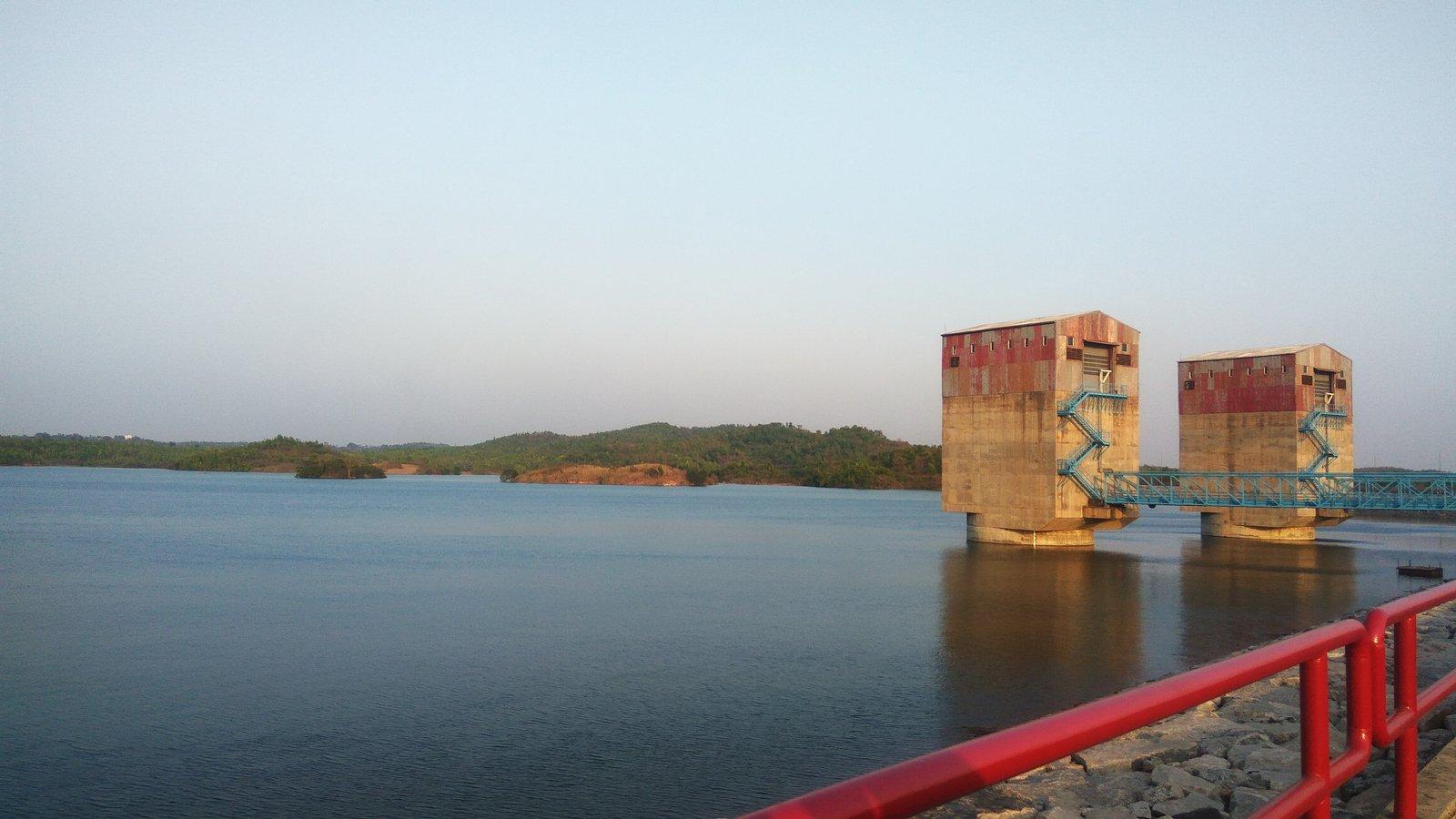
A 2023 study maps fourteen springs along the spring line of the Ajodhya plateau, where groundwater held between the granite-gneiss bedrock and the red soil above comes to the surface. Sita Kund is one of them, and its water feeds the Kistobazar stream, which the Upper Dam impounds. A hill-top resident who works in tourism told Sangbad Pratidin that the spring never stops flowing.

The same study rated Sita Kund among the most attractive and accessible sites in the hills for its strong mythological connection, and visitors come every day. The district notes colourful birds, especially in winter, and local people point to what they say are strands of Sita's hair on nearby sal trees.

Past & present
History & stories

The story of Sitakund

In November 2019 Purulia's MP wrote to the Union tourism minister asking for Sita Kund to be promoted for its Ramayana link. In 2020 soil from the spring was sent to Ayodhya for the bhoomi pujan of the Ram temple there, and on 22 January 2024 women carried 108 pitchers of its water to the nearby Ram Mandir for a day of worship.

Not everyone reads the site the same way. The historian Dilip Goswami told Sangbad Pratidin that the Ramayana stories and Sita's hair are legend, not history; Jaladhar Karmakar argues that the Birhor, Bhumij and Santal peoples of the hills have no part in the Rama–Sita story; and a WBCADC leaflet promotes the spring simply as an 'auto flow' for students of anthropology.

Rama's arrow

According to the legend told on the hill, Rama, Sita and Lakshmana stopped on the Ajodhya Hills during their fourteen years of exile, on their way to the Dandaka forest. Sita grew thirsty, and Rama fired an arrow that pierced the earth; water gushed up and she drank. People disagree on how long they stayed: some say two and a half days, others 27.

Water before the hunt

Tribal hunters of the hills traditionally drink from Sita Kund before setting out on the ritual hunt, believing the spring to be holy, and many also pray at the Ram Mandir.

When you're there
See & do

Things to see and do

  1. 01

    Watch the spring bubble

    Look into the pool to see water rising through the fine white sand.

  2. 02

    Lotus ponds and birds

    The small ponds around the spring carry lotus, and winter brings colourful birds.

  3. 03

    Visit the Ram Mandir

    The Ram temple, with its Ramayana wall paintings, is a few hundred metres away; local people pray at both.

Gallery
Photos

Sitakund in pictures

Photos coming soon

We're putting together our own photographs of Sitakund. Been there with us? We'd love to see yours.

Getting there
From Rangamati

Where it lies

Sitakund is 20 km by road from the resort, to the north-east. A local guide, sightseeing cab or driver can be arranged on request.

The drive
North on SH4 to Baghmundi, then east up the hill road past Thurga Dam, Turga Falls, Bamni Falls and the Marble Lake turning to the hill-top settlement. Sita Kund lies just beyond it, reached by a minor road or on foot.
The last stretch
From the hill top it is a short walk past the Bharat Sevashram Sangha and Bagandi village. OpenStreetMap shows a small road bridge over a stream beside the spring.
Open in Google Maps
10 km25 km50 km100 kmNSitakund
Rings show straight-line distance from the resort; the road is longer.

Before you go

Safety
It is a place of worship for local communities: keep the spring and ponds clean and follow local custom.
Getting around
The 2023 accessibility study rated it easy to reach; the spring is close to a motorable road on the flat top of the plateau.

Through the year
Seasons & festivals

When to go

  • Summer

    March – June

    The spring keeps flowing through the dry months. On Baisakhi Purnima (April–May) the area fills with Disum Sendra gatherings.

  • Monsoon

    July – September

    The rains, mainly June to September, turn the forest round the spring green.

  • Winter

    October – February

    The best season for birds: the district notes colourful birds here, especially in winter.

Fairs & festivals

  • Baisakhi Purnima (April–May)

    Disum Sendra (Shikar Parab)

    The Santal hunting festival of the Ajodhya Hills. Tribal people gather here on the full-moon day of Baisakh, and some drink from the spring before setting out. Hunting is now illegal, and the forest department runs check posts and cultural programmes instead.

Good to know
Questions

Frequently asked questions

How far is Sita Kund from Rangamati Eco Resort?

About 20 km by road, via Baghmundi and the hill road to Ajodhya hill top. The resort can arrange a sightseeing cab, driver or guide on request.

What is the legend of Sita Kund?

Local legend says that during their exile Rama and Sita stopped here; when Sita was thirsty, Rama shot an arrow into the ground and a spring of fresh water came up.

Is it a hot spring?

No. One magazine guide called it a hot spring, but the district administration describes cold water bubbling up through white sand.

When is the Disum Sendra held?

On Baisakhi Purnima, the full moon of Baisakh (April–May). Hunting is banned and the forest department sets up check posts, so expect crowds and checks around that date.

Can it be combined with other places?

Yes. The Ram Mandir is a short walk away, Mayur Pahar is about 2 km from the hill top and the Upper Dam about 6 km.

Is it suitable for elderly visitors?

Yes, broadly. A 2023 accessibility study rated it easy to reach, and the ground on this part of the plateau is flat.

Make a day of it
Close by

Nearby places

Other places close to this one, so you can see a few in a single trip.

Sources: purulia.gov.in · en.wikipedia.org · sangbadpratidin.in · outlooktraveller.com · outlookindia.com · openstreetmap.org · sangbadpratidin.in · sangbadpratidin.in · mdpi.com · india.mongabay.com · india.mongabay.com · bengali.oneindia.com · prothomalo.com · purulia.gov.in · bn.wikipedia.org · thestatesman.com · thestatesman.com · openstreetmap.org · router.project-osrm.org

Make Rangamati your base.

Rangamati is your base for the Ajodhya hills — tell us your dates and we'll plan the drive.

WhatsApp us

Book your stay

Check availability

Check-in 10:00 AM · Check-out 9:00 AM · Meal package ₹1,600 per head / per day

Opens WhatsApp with your details filled in. Prefer to talk? Call +91 96417 88198