At a glance
- A year-long 2017 survey of the Ajodhya foothills around Baghmundi recorded 167 bird species, 108 of them resident.
- November to February is the season for migratory ducks and other waterbirds on reservoirs such as Murguma and Turga.
- In January 2024 the Forest Department ran its first waterbird survey of the region, covering Murguma, Turga and other wetlands.
- The Painted Spurfowl, a bird of rocky dry forest, has been seen in the Matha forest and photographed on Ajodhya Hill.
- Go at first light, keep your distance, skip call playback and drones, and carry your litter home.
Birdwatching in Purulia is at its best from November to February, when migratory ducks and other waterbirds gather on reservoirs such as Murguma and Turga, while the dry sal forests of the Ajodhya (Ayodhya) Hills hold resident birds all year. A year-long survey of the Ajodhya foothills around Baghmundi recorded 167 species. Bring binoculars, start at first light and keep your distance.
How many birds are there in the Ajodhya Hills?
The best baseline is a study by Supriya Samanta, Dipanwita Das and Sudipta Mandal, published in Tropical Ecology. They walked line transects at eight sites in the Ajodhya foothills of Baghmundi block from January to December 2017 and recorded 167 bird species in 58 families. Of these, 108 were resident and 59 were migrants: 20 seasonal visitors and 39 passing through on passage.
The family with the most species was Muscicapidae, the flycatchers and chats (10 species), followed by the hawks, eagles and kites (Accipitridae) and the herons and egrets (Ardeidae), with nine each. The survey also recorded two near-threatened and two vulnerable species.
A separate study in and around Purulia town found 115 species between February 2017 and January 2018. Neither list is complete, and records keep growing on eBird's Purulia district page.
The habitats: forest, rock and water
Dry deciduous sal forest
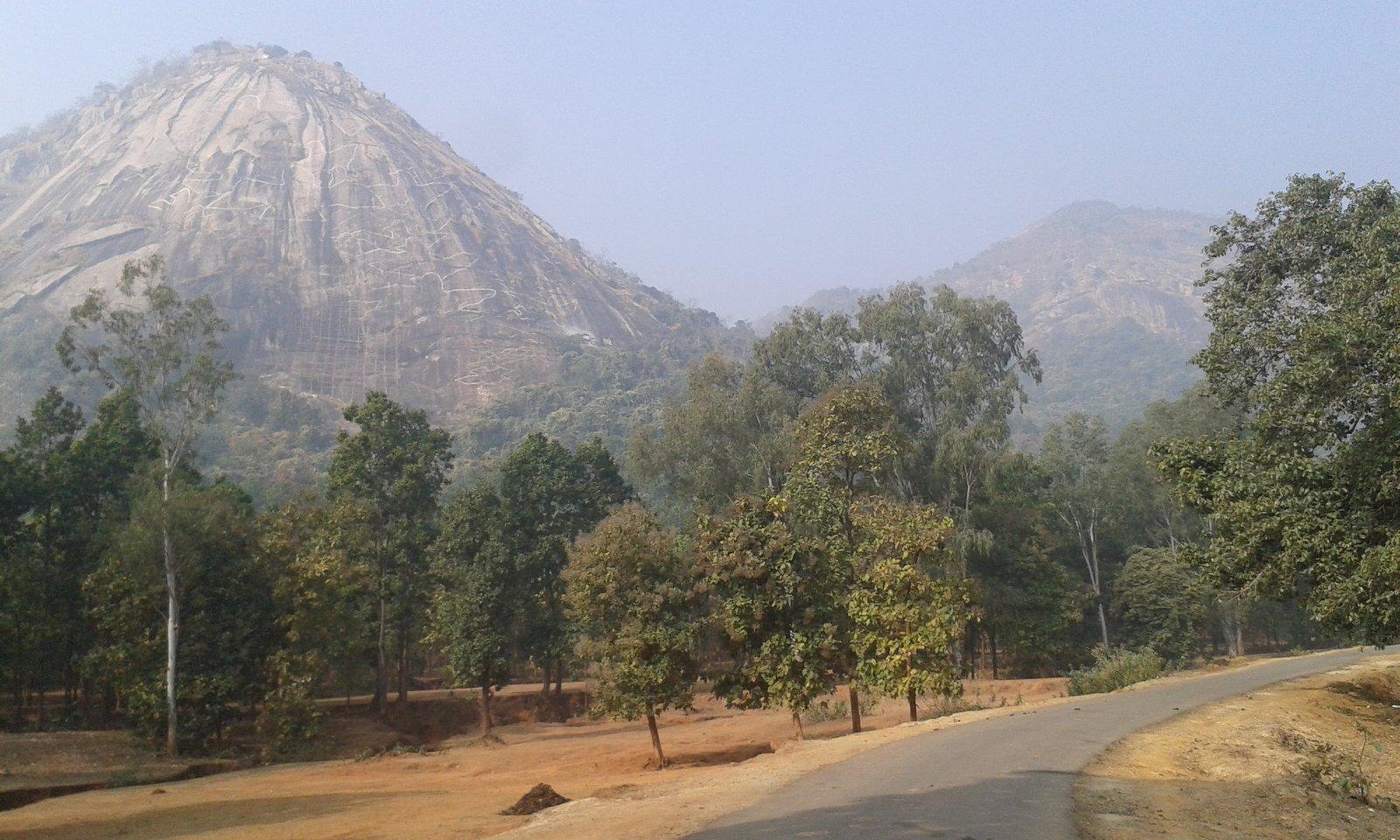
Most of the Ajodhya range is dry deciduous forest of sal, with palash, kusum, mahua and kend. It is the home of the resident birds, best found in the first hours after sunrise, when the forest is noisiest. Our guide to the forests and wildlife of the Ajodhya Hills describes the trees and seasons in more detail.
Rocky hills and scrub
The granite hills, with their boulders and thorny scrub, suit ground birds. The Painted Spurfowl, a bird of rocky slopes and scrub in dry forest, is known mainly from central and southern India. A 2019 note in Indian BIRDS reported that it had been seen in the Matha forest in April 2013 and photographed on Ajodhya Hill in February 2019, probably the easternmost population of the species.
Reservoirs, dams and ponds
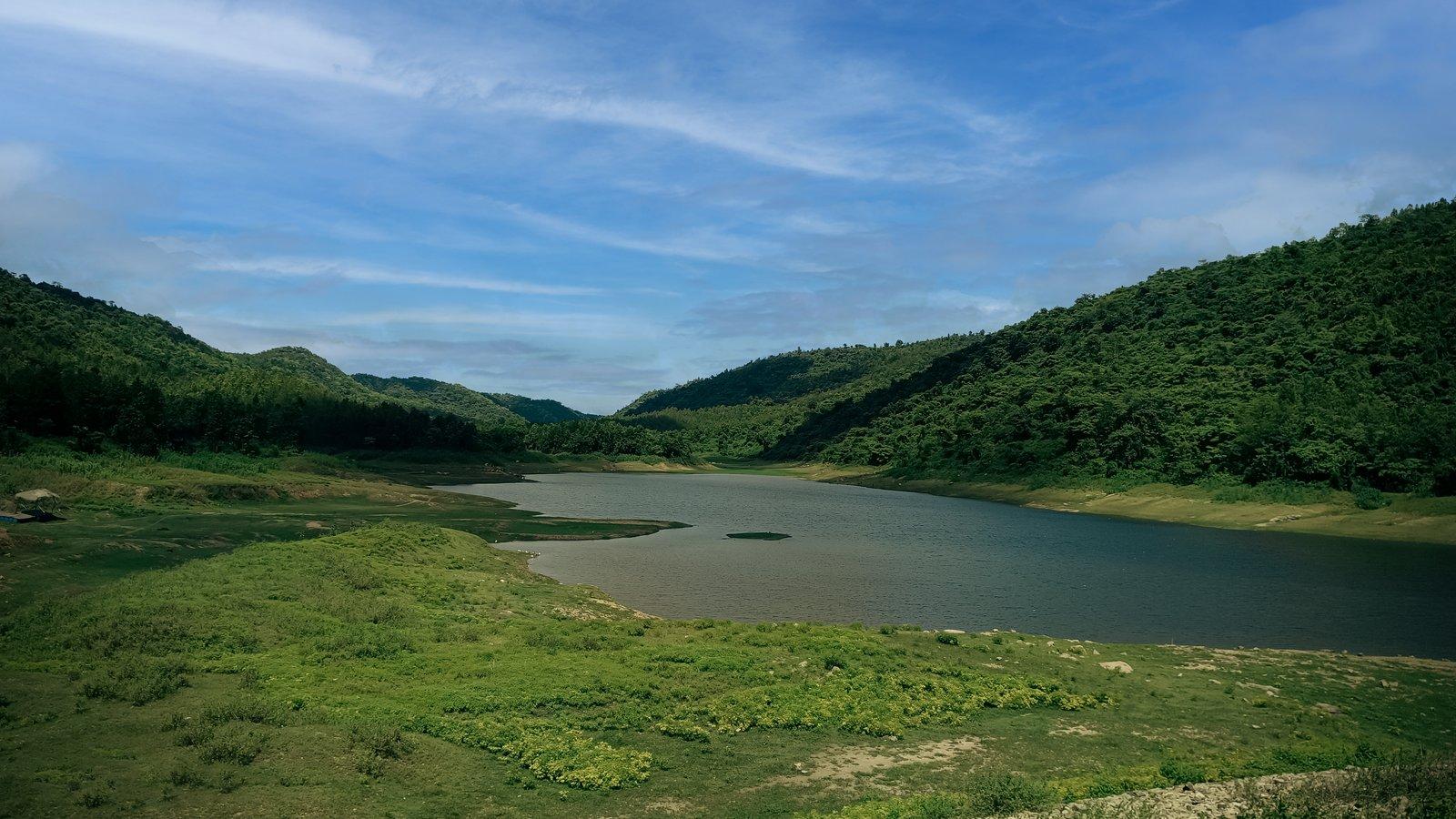
Purulia's many irrigation reservoirs and the dams of the hill country draw waterbirds, especially in winter. In January 2024 The Statesman reported that migrants once seen at Saheb Bandh in Purulia town had moved in large numbers to other wetlands in the district, naming Murguma, Turga, Kooky Dam near Jhalda and Futiyari Dam among them.
Where to go birdwatching around the Ajodhya Hills
| Place | Road distance from the resort | Habitat | Why go |
|---|---|---|---|
| Matha forest and Matha Buru | 3 km | Sal forest, rock | Forest birds at dawn |
| Pakhi Pahar | 6.5 km | Rock hill and forest | Guided walk with local women guides |
| Thurga Dam | 9 km | Reservoir | Included in the 2024 waterbird survey |
| Paparkocha Dam | 16 km | Small lake in sal forest | Birds and animals come to drink |
| Sitakund | 20 km | Spring and lotus ponds | The district notes colourful birds in winter |
| Khairabera Dam | 22 km | Reservoir under Chemtaburu | Quiet banks; kingfishers |
| Murguma Dam | 37 km | Large reservoir with islands | Winter waterbirds |
| Baranti | 120 km | Hill-ringed reservoir | Migratory birds in winter |
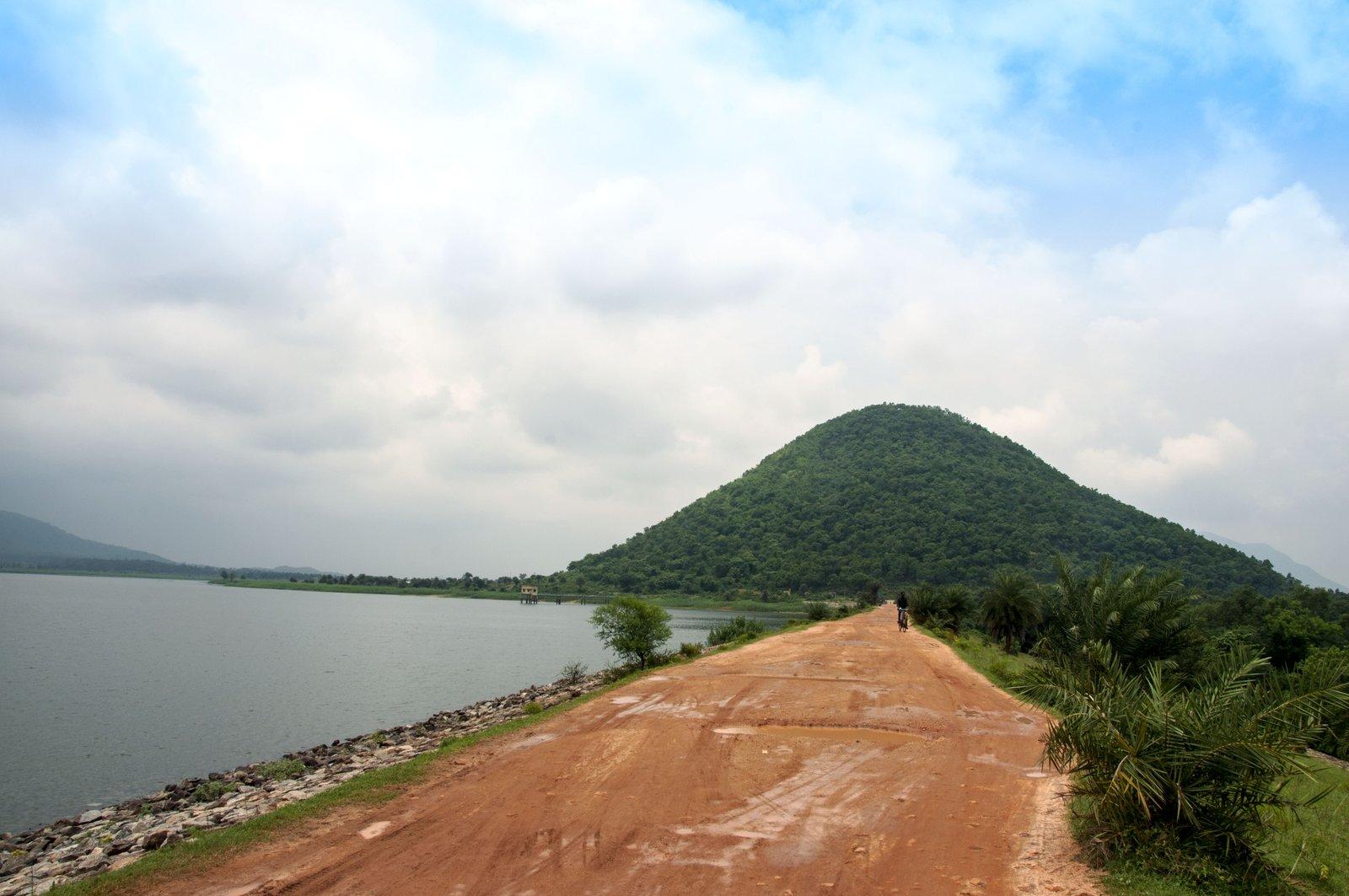
Murguma Dam is the obvious first choice for waterbirds. West Bengal Tourism recommends it for birdwatching, and the Forest Department's 2024 survey covered it. Walk the embankment in the early morning or late afternoon, when the light is low and the birds are active.
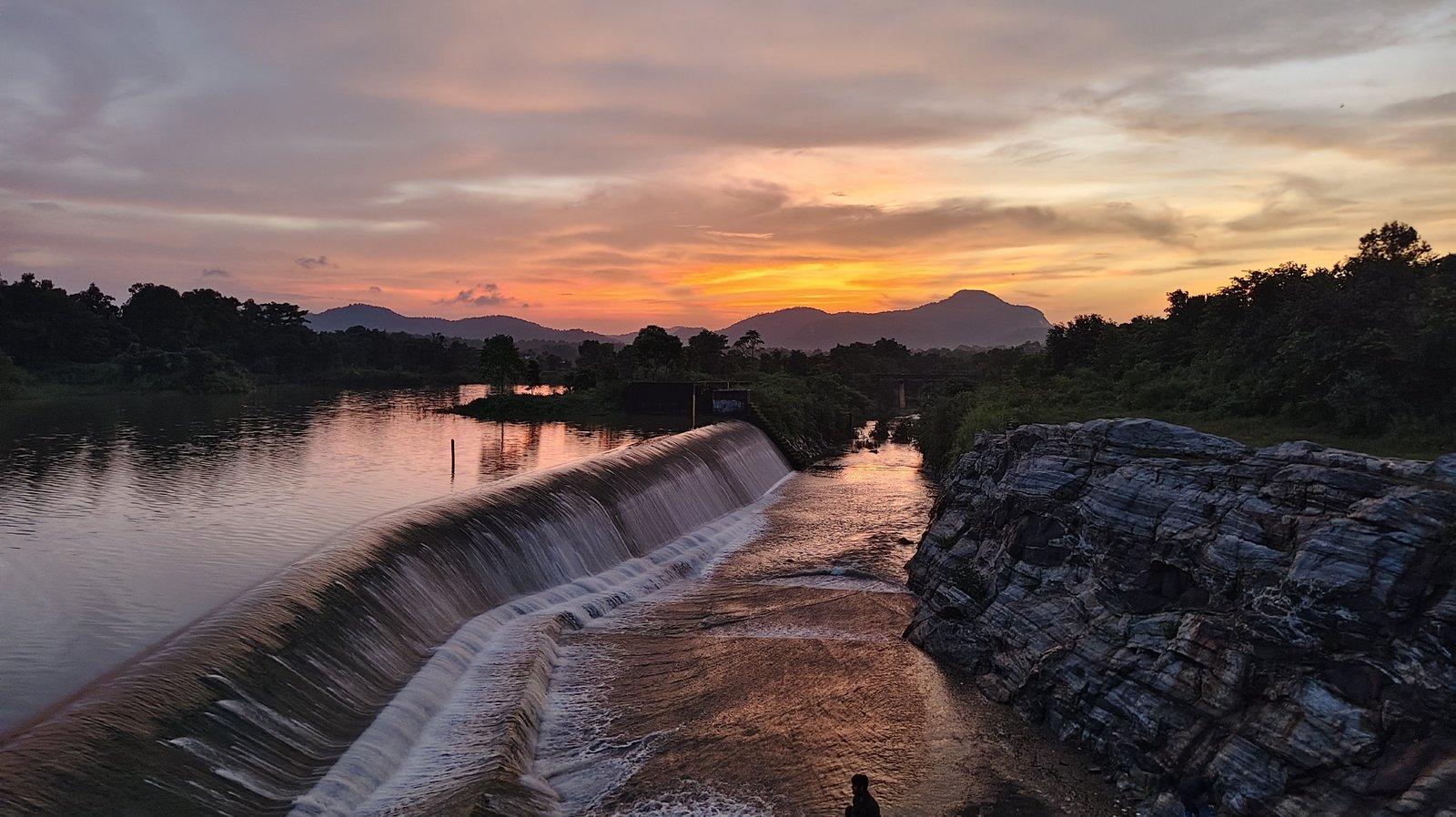
Closer to us, Thurga Dam was also on the 2024 survey list, and Khairabera Dam is the place Outlook Traveller remembered for the shrill cry of a kingfisher in the afternoon calm. The little lake at Paparkocha sits in sal forest where birds and animals come down to drink.
For forest birds, start with the Matha forest or a guided walk at Pakhi Pahar, where the women guides explain the trees, birds and animals of the area. On the plateau, Sitakund has small lotus ponds that the district administration notes for colourful birds, especially in winter.
Further afield, a 2025 study of Garh Panchkot recorded the critically endangered white-rumped vulture around Panchet Hill, and Baranti's reservoir draws migrants every winter. Both fit into our north Purulia day trip. For the bigger picture of the district's lakes, see our guide to dams and lakes of Purulia.
What to look for: birds recorded in Purulia
These species are all named in published surveys or by the Forest Department. Treat them as a starting checklist, not a guarantee.
Winter ducks and waterbirds
- Seen by the Forest Department in January 2024: Eurasian wigeon, northern pintail, red-crested pochard, Eurasian coot, great cormorant, grey-headed swamphen and wire-tailed swallow at Futiyari Dam; bar-headed goose and gadwall at Kooky Dam.
- Winter visitors in the Purulia town study: northern shoveler, gadwall, northern pintail, Eurasian wigeon, red-crested pochard, cotton pygmy goose, common sandpiper, common snipe and western marsh harrier.
Resident waterbirds
The Purulia town study recorded these as residents:
- Lesser whistling duck, little grebe, Indian and great cormorants.
- Purple heron, black-crowned night heron, Indian pond heron and great, intermediate, little and cattle egrets.
- Pheasant-tailed and bronze-winged jacanas, common moorhen and white-breasted waterhen.
- Pied, white-throated and common kingfishers.
- Asian openbill and lesser adjutant.
Raptors and owls
The Purulia town study lists shikra, black kite, oriental honey buzzard and common kestrel as residents, along with spotted owlet, barn owl and the Indian eagle-owl.
Forest and scrub birds
Indian peafowl are the birds people come hoping to see. Mayur Pahar, "peacock hill", takes its name from them, and The Statesman listed peacocks among the wildlife of the Ajodhya forests in 2022. The Painted Spurfowl is the prize for keen birders, but it is shy, and the sightings above are the only published ones we found.
When is the best time for birdwatching in Purulia?
For waterbirds, November to February. Migratory ducks arrive with the cold weather, and the Forest Department's first waterbird survey of the region, the Annual Bird Survey 2024, was held in January.
For forest birds, any season works if you go early. Interestingly, the 2017 foothills survey found the most species in summer (123), followed by winter (118), with the fewest after the monsoon (101). Summer days are very hot, so be out at dawn and back in the shade by mid-morning.
Birds and peacocks around Rangamati
You do not have to go far. Rangamati's address is Matha Forest, and the lawns and trees around our cottages bring in birds and peacocks, especially in the quiet of the early morning. An hour on the lawn at first light is a fine way to start a list. The resort can arrange a local guide, cab and driver on request for trips to the dams; see our experiences.
Birdwatching etiquette
- Keep your distance. If a bird changes its behaviour or a flock lifts off the water, you are too close.
- No call playback, especially in the breeding season, and no flash photography.
- No drones over reservoirs, flocks or nesting areas.
- Stay on roads, embankments and existing paths. The Upper and Lower Dams are part of a working power project, so follow any instruction from staff there.
- Respect villages and fields. Ask before crossing farmland or photographing people.
- Mind the forest after dark. Elephants move through these hills, so be out of the forest before dusk.
- Carry your litter home. Plastic left at the dams is eaten by village cattle.
Hunting is illegal, but the traditional hunting festival around Baisakhi Purnima (April–May) still brings crowds to the hills, and the Forest Department runs checkposts at that time. It is not a good week for quiet birding.
What to bring
- Binoculars: an 8× or 10× pair makes the biggest difference.
- A field guide or app; Birds of the Indian Subcontinent by Grimmett, Inskipp and Inskipp is the standard reference.
- Muted clothing, a hat, water and a notebook or eBird on your phone.
- A telephoto lens if you want photographs; our photographer's guide to Purulia has more tips.
If you record your sightings on eBird, they add to what little is published about the birds of these hills, and the next visitor will know what to look for.