At a glance
- Late December in Purulia is dry, with days around 24–25°C and nights around 12–13°C in Purulia town.
- The week from Christmas to New Year is the busiest of the year; about one lakh people visited the district on 1 January 2026.
- Book rooms, trains and cabs early, and see the popular dams early in the morning or on less busy days.
- Around New Year the sun rises at about 6:25 am and sets at about 5:10 pm, so plan to be off forest roads by dusk.
- A 3-night stay covers the hills near Matha, the Ajodhya circuit and a quieter culture day.
A Christmas or New Year trip to Purulia brings dry, sunny days of around 24–25°C, cold nights, bonfire evenings and the busiest week of the year in the Ajodhya Hills. Book rooms, trains and cabs early, see the popular dams early in the morning, keep 25 December and 1 January for quieter places, and be off the forest roads by dusk. Below is what to expect, how to handle the crowds and a 3-night plan.
What is the weather like in Purulia at Christmas and New Year?
Late December and early January are the heart of winter. India Meteorological Department averages for Purulia town (1991–2020) give December days of about 25°C and nights of about 13°C, and January days of about 24°C and nights of about 12°C. Rain is rare: on average one or two rainy days a month. The coldest night on record, at 3.8°C, shows how sharp a cold spell can be.
The days are short. Around New Year the sun rises at about 6:25 am and sets at about 5:10 pm on a flat horizon, and in the hills it disappears behind the ridges sooner. Mornings can be misty and evenings drop fast, so pack a proper warm layer, a cap and something for the feet; our packing list for Purulia covers the details.
How busy is Purulia over New Year?
This is the peak of the year. Winter is picnic season across south Bengal, and the dams and viewpoints of the Ajodhya Hills are favourite picnic grounds. On New Year's Day 2026, forest department sources told the Bengali daily Bartaman that about one lakh people visited the district, with the largest crowds in the Ajodhya Hills. The forest department kept watch over picnic spots that day and had banned cooking over open fires in forest areas.
In the north of the district, the Joychandi Pahar tourism festival is usually held in the foothills near Raghunathpur from 28 December into the first days of January, with stalls and evening cultural programmes. It is a lively outing, about 95 km from the resort, but expect crowds and traffic around it.
Getting there over the holidays
Book early: rooms, cabs and trains for the holiday week go first. Trains for this side of the Ajodhya Hills stop at Barabhum and Purulia Junction, and a station pickup from either can be arranged on request. Check availability on IRCTC as soon as booking opens for your dates, and confirm running times on the railway's enquiry service before you travel.
If you are driving from Kolkata or elsewhere, set out early enough to reach the hills in daylight, because the last stretch runs through forest. Our guide on how to reach Purulia compares the train and road options.
Bonfire nights and winter evenings
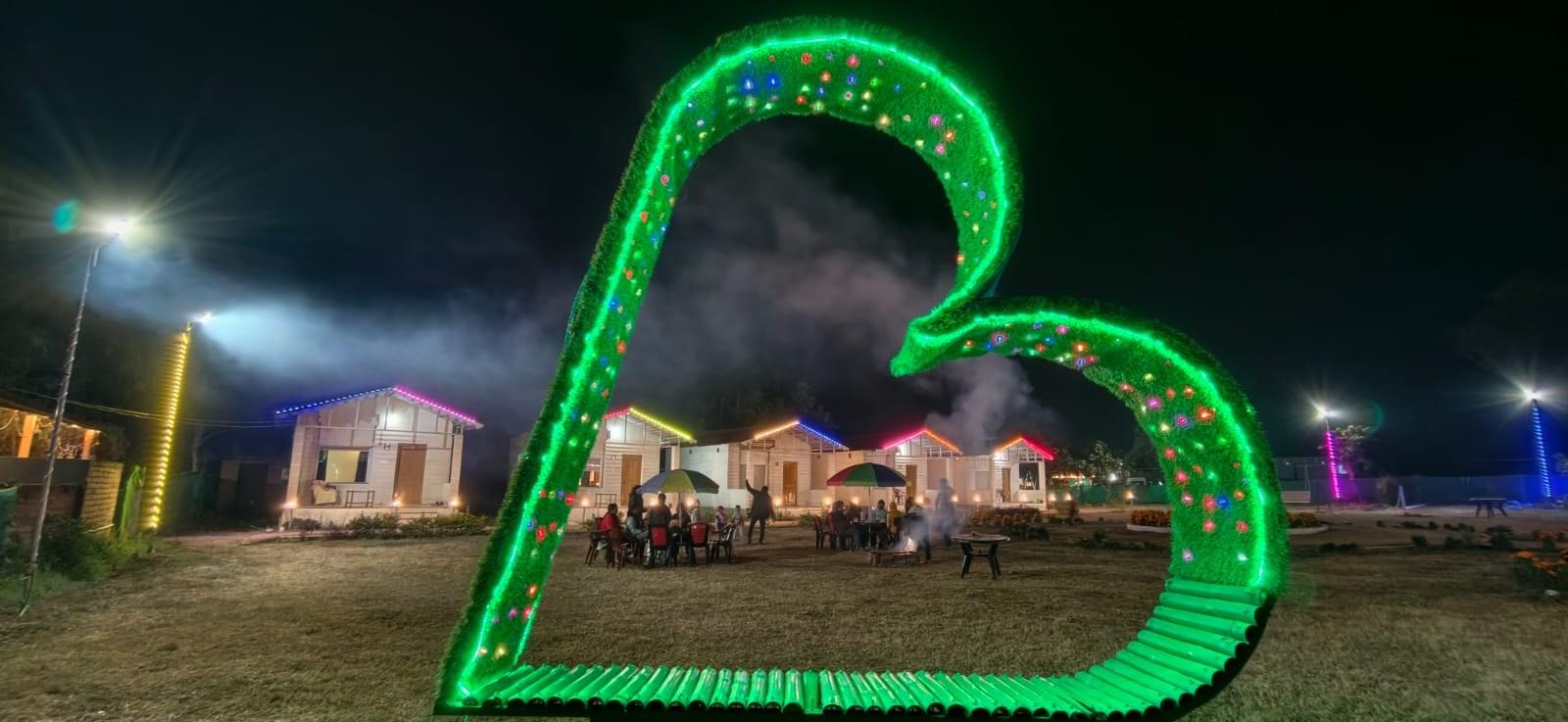
Winter evenings in the hills are long and cold, and they are best spent outdoors by a fire. At Rangamati a bonfire on the lawn can be arranged on request, with BBQ chicken if you want it. A Chhau performance, Santhali dancers with madal drums or Baul singers can also be arranged for guests on request; they are chargeable, so ask when you book. See our experiences page for what each involves.
Late December also falls in Poush, the month of Tusu, when women and girls in many villages sing Tusu songs in the evenings. It is household worship rather than a public event, but it is part of the season's sound. Our guide to Tusu Parab explains the festival that ends with riverside immersions at Makar Sankranti.
Watching the first sunrise of the year
On 1 January the sun rises at about 6:25 am on a flat horizon. Local operators on the hill top promote Usuldungri, a village viewpoint with a watch tower about 29 km from the resort, as a sunrise point, but getting there for dawn means driving forest roads in the dark, which we don't advise.
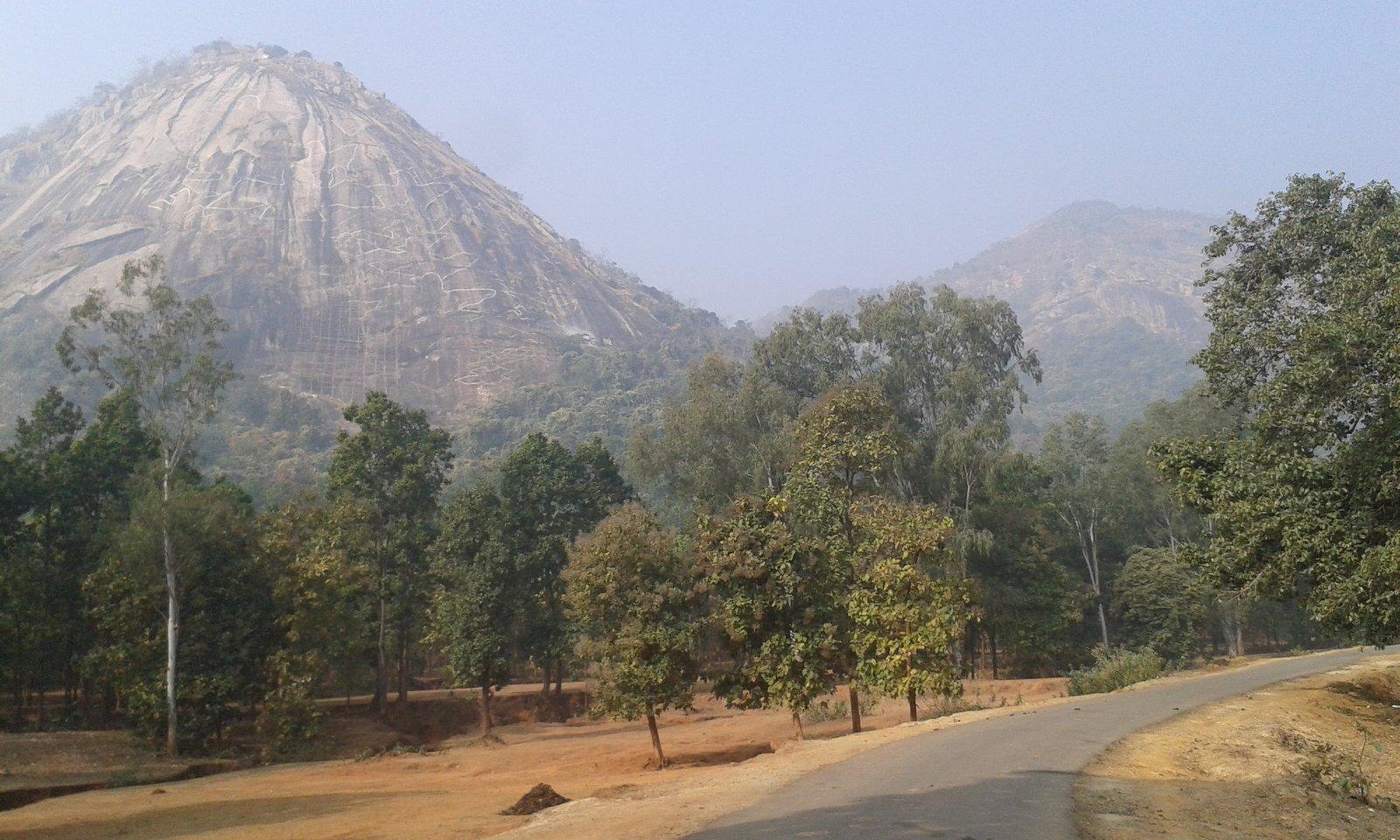
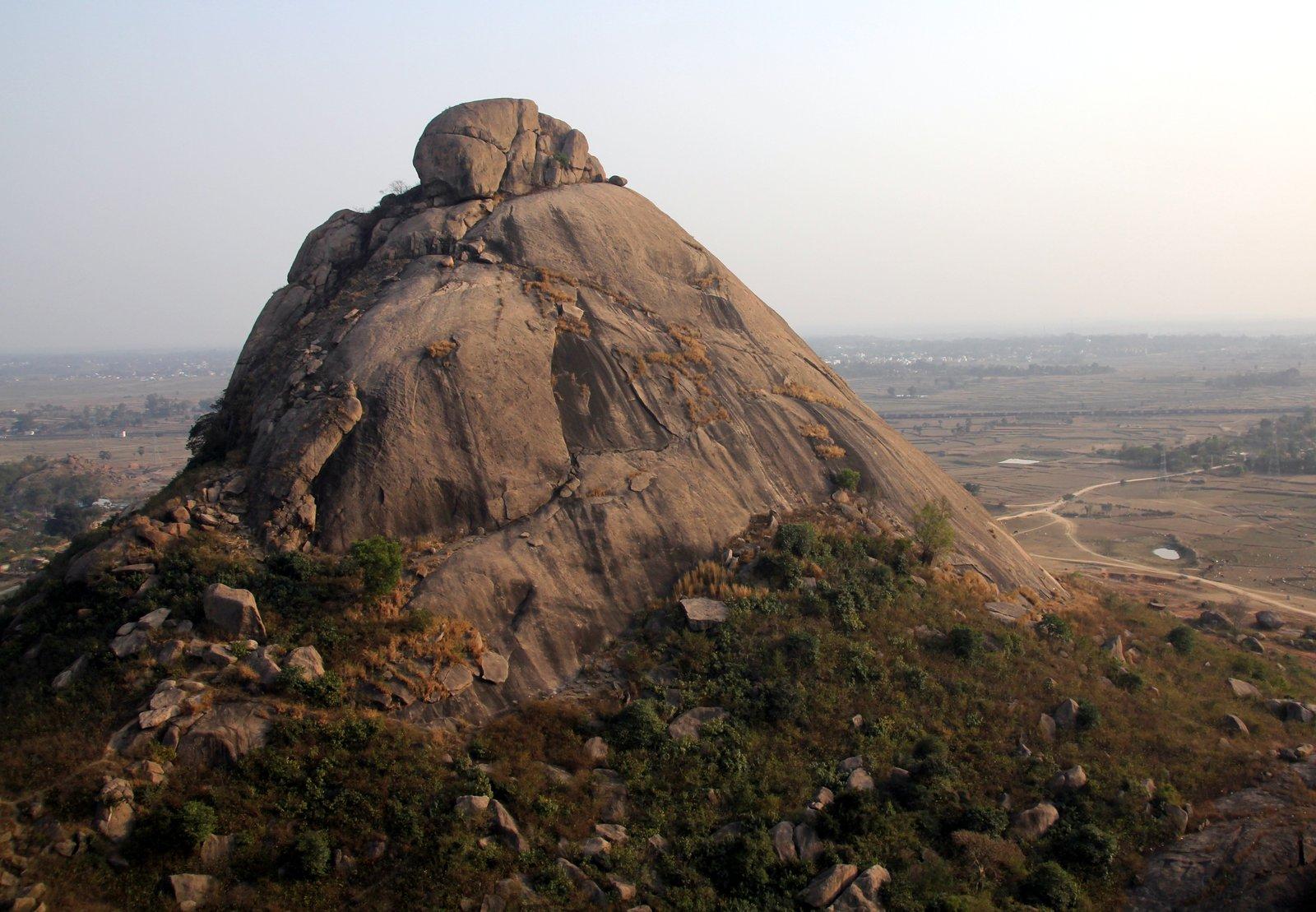
A gentler way to greet the year is to watch first light from the lawn with a hot cup of tea, then head out once it is fully light: Matha Buru is about 3 km away and Pakhi Pahar, with its giant birds carved into the rock, about 6.5 km. For more ideas, see our guide to sunrise and sunset points in Purulia.
Picnic crowd etiquette for the holiday week
On 25 December and 1 January many of the people you meet at the dams will be there for a day-long picnic, often with music and food for a crowd. A few habits make the day easier for everyone:
- Go early. The dams are calmer before 10 am, and parking is easier.
- Take every bit of plastic home. Villagers near the power project's dams have said that waste left by picnickers kills their cattle.
- Keep your own music off and give other groups space.
- Don't light fires in the forest, and stay out of the reservoirs and pools.
- Be patient on the hill road. It is narrow in places, and vehicles often stop at viewpoints without warning.
For where to go and the quieter alternatives, read our guide to the best picnic spots in Purulia.
Road safety after dark
The main risk in the hills is the dark. Elephants live in the Ajodhya Hills, and herds from the Dalma forests in Jharkhand pass through; they move mostly at night. Forest roads are unlit, village roads carry cattle, cyclists and people on foot, and mobile signal is patchy in places.
- Plan your day to be back by dusk, around 5:30 pm at this time of year.
- If you are driving yourself, go slowly, never stop near an elephant herd and never get out of the car to look.
- Don't drink and drive. Hill roads are unforgiving, and this is the busiest week of the year on them.
- Hire a local driver if you are unsure of the roads. We can arrange a sightseeing cab or driver on request.
A 3-night New Year trip plan for Purulia's Ajodhya Hills
This plan assumes three nights at the foot of Matha Buru, arriving by train at Barabhum or Purulia Junction, from where a station pickup can be arranged on request. Check-in is from 10:00 am and check-out by 9:00 am. If one of your days is 25 December or 1 January, put the quieter culture day there and move the Ajodhya circuit to another date.
| Day | Plan | Distances from the resort |
|---|---|---|
| Day 1 | Arrive, check in, afternoon at Pakhi Pahar and Matha Buru, bonfire in the evening | 6.5 km and 3 km |
| Day 2 | Early start for the Ajodhya circuit: Thurga Falls, Bamni Falls, Marble Lake, Upper Dam, the hill top and Mayur Pahar | 11 to 20 km |
| Day 3 | Culture and quiet: Charida mask village, then Khairabera Dam; evening Chhau on request | 10 km and 22 km |
| Day 4 | Check out by 9 am; time permitting, a short stop at the Lower Dam and Lahariya temple before your train | 11 km and 10 km |
On Day 2, leave by 8 am to reach Thurga and Bamni before the crowds build, and wear shoes with a good grip: the steps down to Bamni Falls are steep and narrow. Finish at the Upper Dam and the hill top, and start back down well before dusk.
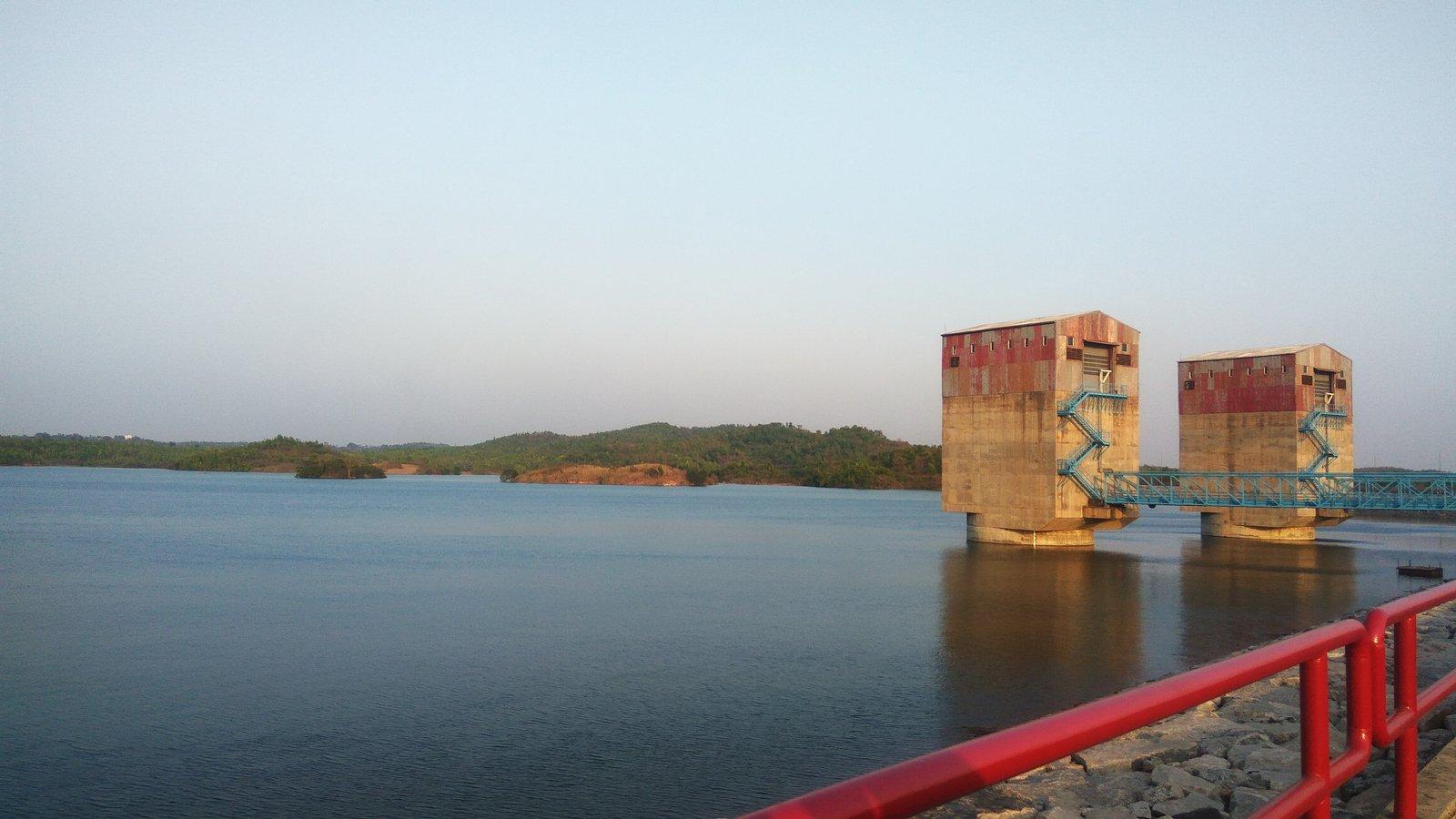
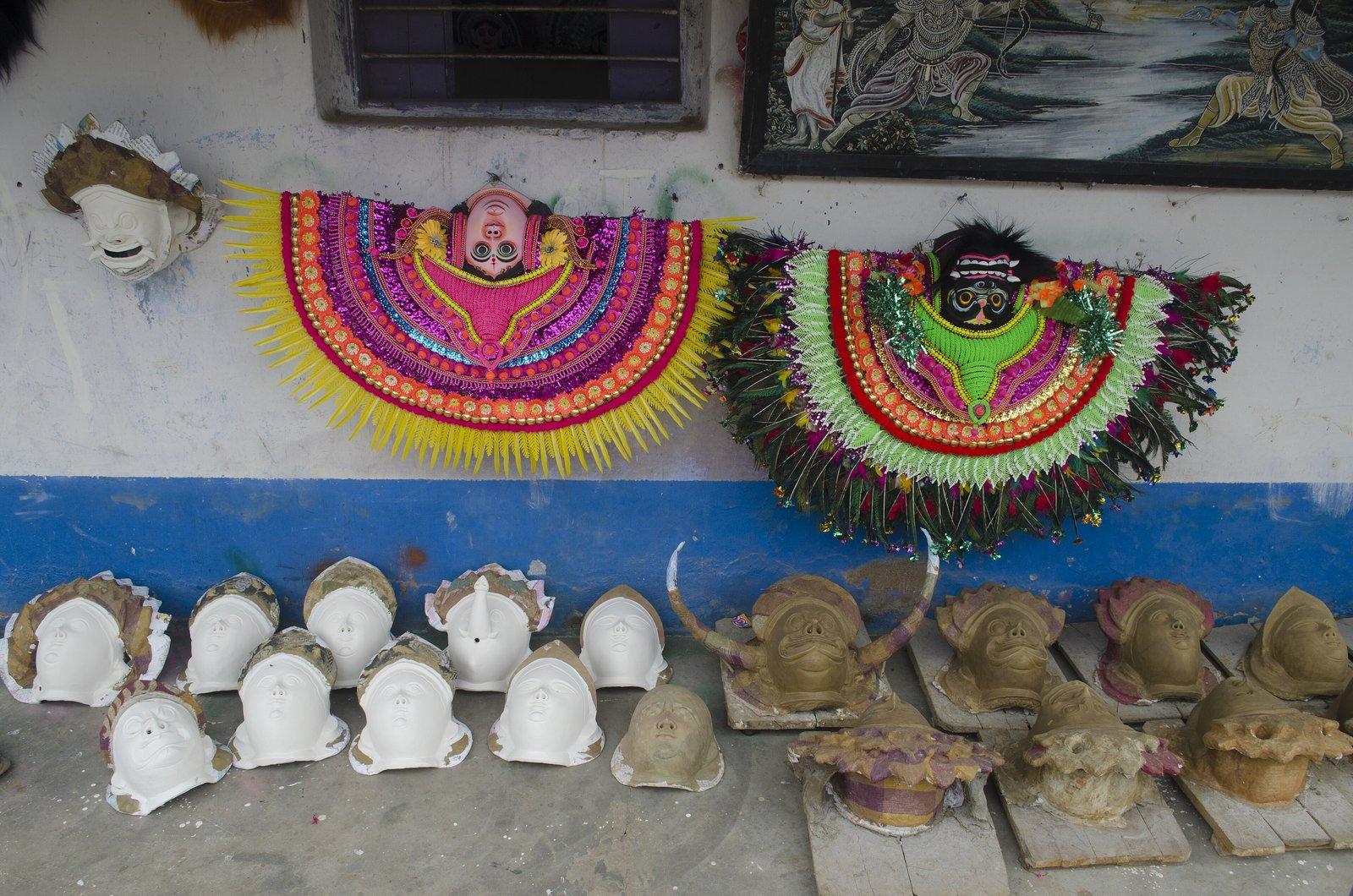
Day 3 is the antidote to the crowds. At Charida, about 10 km away, families of mask makers mould and paint Chhau masks in open-fronted workshops along the main road, and winter is their busiest season. From there, drive on to Khairabera Dam, about 22 km from the resort, a wide reservoir under the flat ridge of Chemtaburu where Outlook Traveller found the only sounds were lapping water, cattle bells and a kingfisher. If you would rather go further, Murguma Dam, about 37 km away across the plateau, has a 2 km embankment walk and winter waterbirds. Back at the cottages, a Chhau performance on request makes a fitting end to the year.