At a glance
- Purulia food is rice-based and seasonal: rice-flour pitha for harvest festivals, puffed and flattened rice, and greens, fruits and flowers from field and forest.
- Pitha is made at home for Bandna in October–November and Tusu at Makar Sankranti in mid-January; gur pitha of rice flour and jaggery is also called arsa.
- Mahua flowers are gathered from late March into April and sun-dried; they are cooked into sweets and eaten with rice, though much of the crop goes to liquor.
- A 2015 study in rural Purulia recorded water chestnut, water spinach, bamboo shoots and wild jujube among the most-used wild foods.
- Rangamati's meal package is ₹1,600 per head per day with lodging, breakfast, lunch, evening snacks and dinner; BBQ chicken by the bonfire is on request.
Purulia food is rooted in rice, the forest and the farming year. Rice-flour pitha marks the harvest festivals, puffed and flattened rice are everyday food and temple offerings, mahua flowers carpet the forest floor in spring, and village kitchens have long drawn on greens, fruits and tubers from field and forest. There are no famous restaurants to tick off here; the most local food turns up at festivals, in homes and at simple roadside stalls. This guide covers what to look out for, when, and what you can eat at Rangamati.
What is Purulia food like?
Rice is the base of almost every meal, and the district's small industries reflect that: rice mills and mustard-oil units are among the businesses listed in the state's export plan for Purulia. Meals in roadside eateries are simple rice-and-curry plates, and on the Ajodhya Hills, Aaj Tak Bangla put a roadside breakfast at ₹25–30 and a fish-and-rice lunch at ₹100–120 in 2022.
The forest matters too. A 2015 study of wild edible plants in rural Purulia, drawing on reports from Munda, Santal, Oraon, Bhumij, Kharia, Ho and Mal Pahariya people, found that leaves and fruits were the most used parts, eaten raw as salads or cooked, and that these foods had helped people survive the famines that struck the district repeatedly from the 1860s.
Pitha: the rice cakes of harvest festivals
Pitha are cakes and dumplings of rice flour, steamed or fried, sweet or savoury, and in Purulia they belong to the festival calendar rather than to shops.
At Bandna, the cattle festival at the Kartik new moon in October or November, women take the new rice to the pond, dry it on the roof and pound it into flour in a dheki, the foot-operated husking pedal, then make pitha in the evening. The same flour shapes small lamps that are set on sal leaves at every door, as Somenath Mahato describes in a study of Purulia's folk festivals. Our post on Bandna and Sohrai explains the festival.
At Tusu, which ends at Makar Sankranti in mid-January, families make many kinds of steamed and fried pitha. The most important is gur pitha, also called arsa locally, made from ground rice flour and jaggery, sometimes with grated coconut. Across the border in Jharkhand, mudhi lai (puffed-rice balls), tilkut and roti pitha are made in large quantities at the same time. Read our guide to Tusu Parab for the songs and fairs.
Pitha is home food. If a family offers you some during a festival, accept it as the welcome it is.
Muri and chira: puffed and flattened rice
Puffed rice (muri) and flattened rice (chira) are everyday foods across Bengal, eaten as a snack, with tea or as a quick meal. In Purulia they are also sacred: in household Tusu worship, the offering to the goddess is puffed or flattened rice.
They are also the most practical food for a day out. A packet of muri with a few onions, green chillies and a little mustard oil travels well on a long sightseeing drive.
Mahua: the flower of spring
The mahua tree grows through the sal forests of the Ajodhya Hills alongside palash, kusum and kend. Its fleshy flowers drop to the ground, and in Purulia villages such as Digardih they are gathered in late March and April, traditionally from about 4 am until mid-morning. A mature tree can give 60 to 80 kg of flowers.
The flowers are sun-dried for three to five days so they do not rot, and rain spots lower their price. In the region the flowers are cooked into sweet dishes such as the dark-brown, sappy mohul shijha and laattha, or boiled and eaten with rice and pickle. Dried flowers are also sold year-round through traders, and prices in the region have swung sharply, from about ₹65–70 a kilo in 2021 to ₹20–22 in 2023, according to Mongabay India.
Much of the crop is distilled into a strong country liquor that is part of village celebrations. We mention it only so that you understand the trees and the work around them; it is not a tourist product.
Forest and field foods
The 2015 study recorded dozens of wild plants still eaten in the district. Those with the highest use were:
- Water chestnut (Trapa bispinosa), the most widely used of all
- Water spinach (Ipomoea aquatica), the leafy green known in Bengal as kalmi shak
- Bamboo shoots and wild jujube (Ziziphus species)
- Rice bean (Vigna umbellata)
- Lotus, and two wild Diospyros fruits, relatives of the kend, which are also sold in local markets
Horse gram was recorded as a food of hard times, eaten mainly when nothing else was available.
Food in Purulia is often served on leaves as well. Stitching and pressing sal leaves into plates and bowls is one of the district's cottage industries, with several sal-leaf clusters listed in the state's export plan for Purulia; see what to buy in Purulia for more on local crafts.
A seasonal food calendar
| When | What to look out for | Where you meet it |
|---|---|---|
| October–November | Pitha for Bandna, made from new rice | Village homes |
| Mid-January | Gur pitha (arsa) for Tusu; puffed and flattened rice offerings | Homes and riverside Tusu fairs |
| Late March–April | Mahua flowers gathered and sun-dried | Forest edges and village courtyards |
| Mid-September | Sweets offered to Bhadu on the last night of Bhadra | Homes |
The Bhadu festival at the end of Bhadra is the quietest of these; Tusu in January is the easiest time for visitors to see festival food being made and shared.
Eating on the road: what to expect
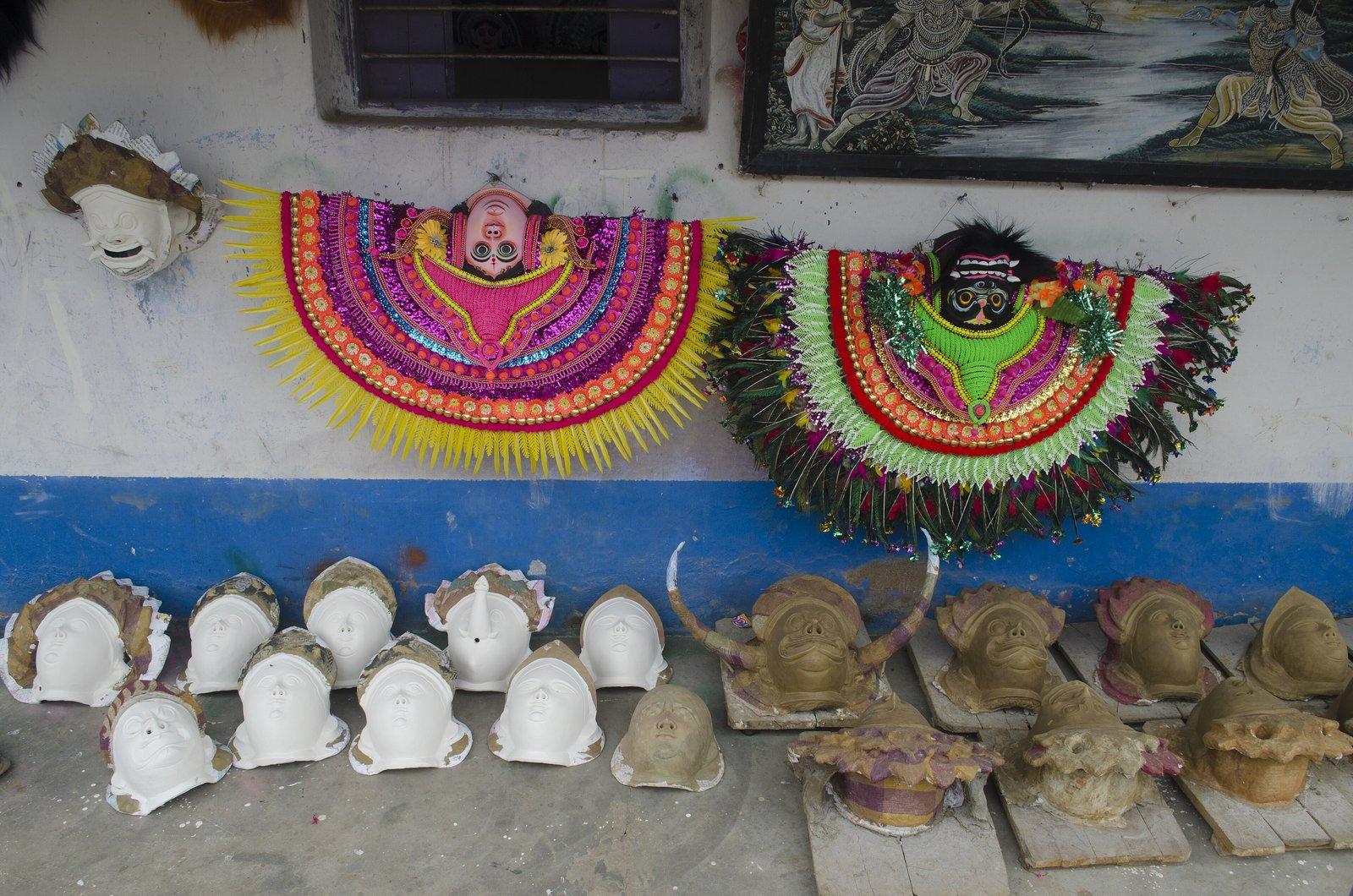
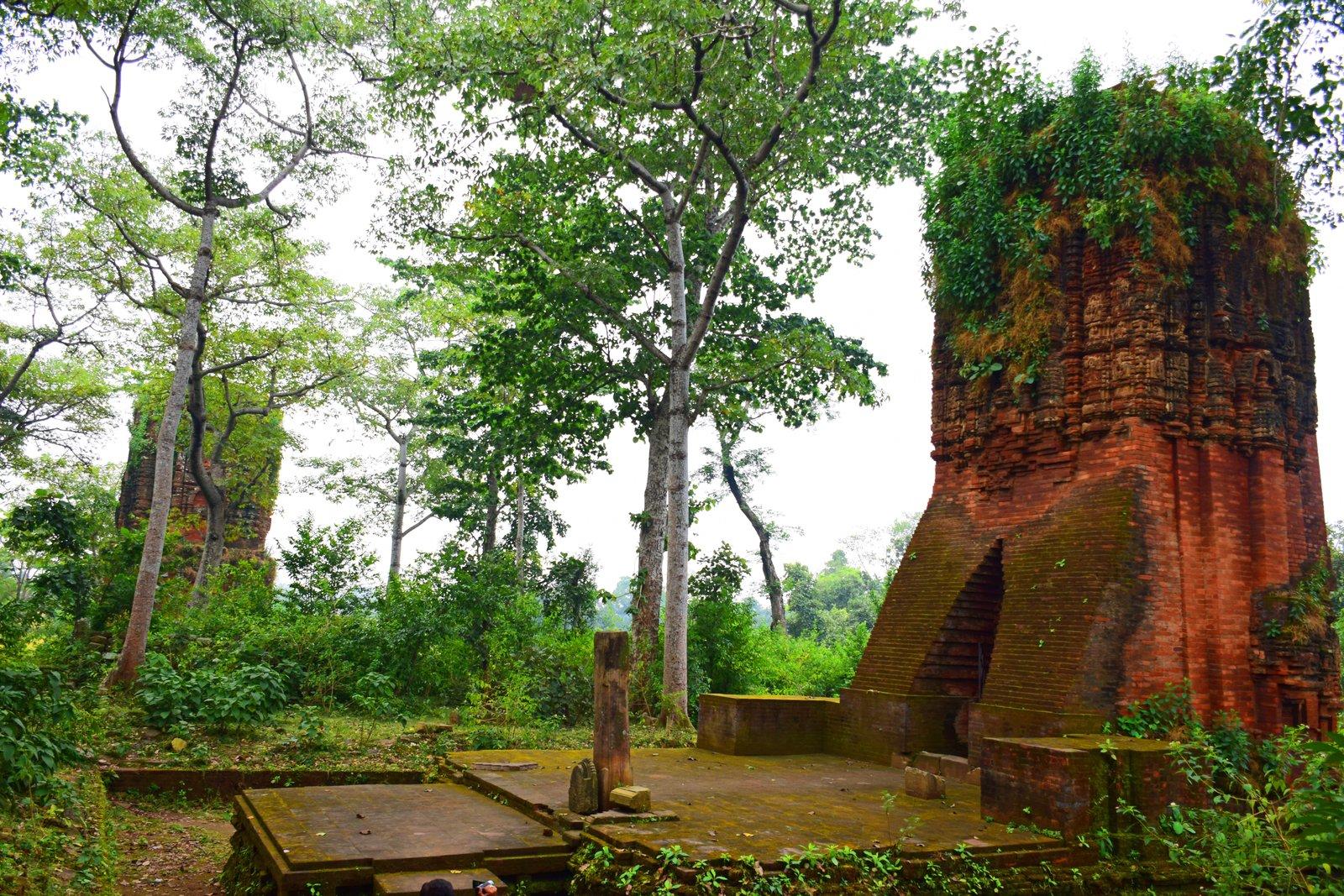
Food stops are few once you leave the main towns. At Charida, the mask village 10 km from us, there are basic tea stalls; Baghmundi has more choice; and Ajodhya Hill Top has small eateries serving rice-and-curry meals. Deulghata has no food or toilets at all, and at Garh Panchkot temporary stalls sell tea and fried snacks such as chop.
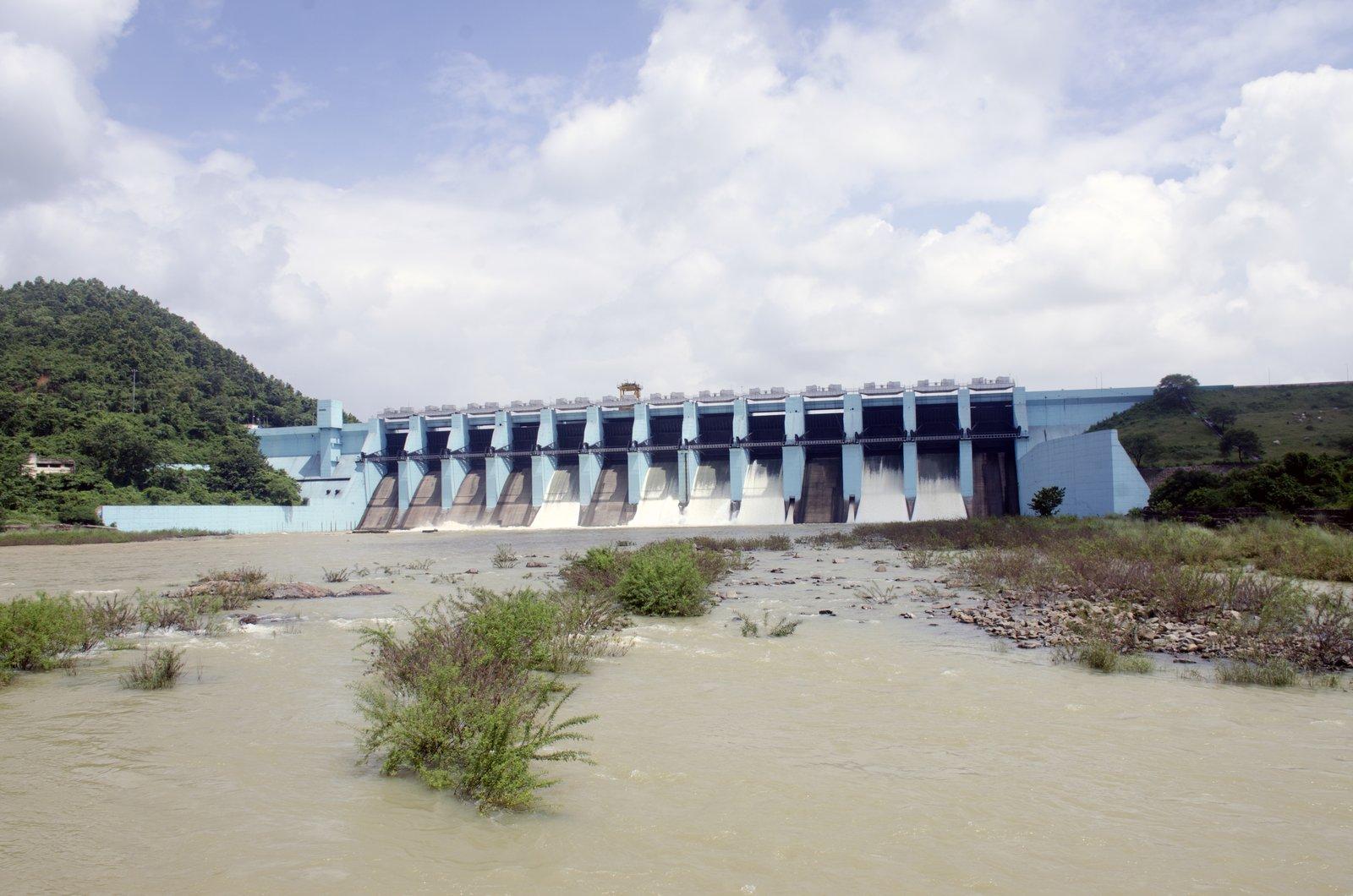
On a day trip into Jharkhand, Chandil Dam is the exception: snack stalls line the path to the boating jetty, fresh fish from the reservoir is sold at the dam and nearby eateries cook local fish dishes.
A few simple habits help:
- Carry water and snacks on every sightseeing day.
- Eat freshly cooked, hot food at roadside stalls.
- Take your packaging back with you; village lanes and forest edges have no bins.
What does Rangamati serve?
Our dining area serves fresh home-style food four times a day. The meal package is ₹1,600 per head per day and covers lodging with breakfast, lunch, evening snacks and dinner; children under five pay for meals only. Dishes from our kitchen include biryani, paneer tikka, palak paneer, butter chicken and dosa.
On a cool night, a bonfire on the lawn can be arranged on request, with BBQ chicken if you would like it. See Dining for the meal package and Experiences for bonfire nights and other evenings at the resort.