At a glance
- The Ajodhya Hills forest is dry deciduous woodland dominated by sal, with palash, kusum, mahua, kend and bamboo.
- It is not a national park or sanctuary: the forests are managed by the West Bengal Forest Department's Purulia Division.
- Elephant herds from Dalma in Jharkhand move through the hills, raiding crops after dark; in December 2025 a herd of 42 was roaming the district.
- Research trap cameras in the Ajodhya Hills, Baghmundi and Garh Panchkot photographed striped hyenas more than 60 times between November 2023 and March 2024.
- Sal leaves, kendu leaves and firewood from these forests support Santal and other Adivasi households.
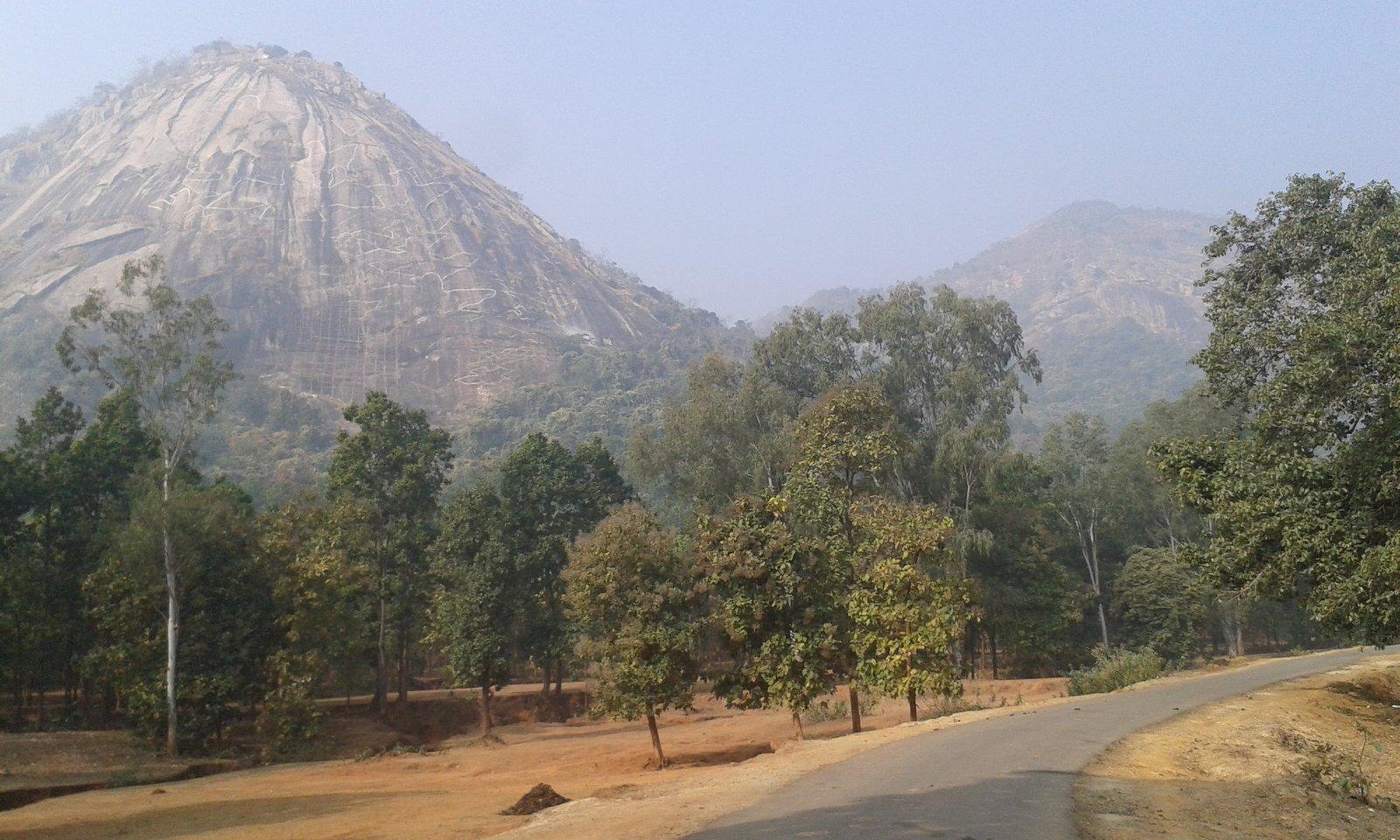
The Ajodhya Hills forest is dry deciduous woodland dominated by sal, mixed with palash, kusum, mahua, kend (kendu) and bamboo, spread over granite hills on the eastern edge of the Chota Nagpur Plateau. It is not a national park or sanctuary but working forest, managed by the West Bengal Forest Department's Purulia Division and used every day by the villages within it. It still sees elephants passing through from Dalma, holds striped hyenas and well over a hundred species of birds. Visit by day, stay on roads and paths, and never approach an elephant.
What kind of forest covers the Ajodhya Hills?
Wikipedia's list of the commonest trees reads like a calendar of village life: sal, palash, kusum, mahua, kend and several kinds of bamboo. Sal is the backbone: its broad leaves are stitched into plates, and its shade covers most of the slopes. There are patches of teak in places, and a small stand of pine near the forest office on Ajodhya hill top.
This is dry deciduous forest, which means it changes completely through the year:
- Winter (November to February): cool and dry; the forest is open and easy to walk, and the main tourist season.
- Spring (March and April): palash flowers turn whole hillsides red.
- Summer (April to June): very hot; many trees stand bare and the leaf litter crackles underfoot.
- Monsoon (June to September): the red earth and the forest turn green, and streams start to run.
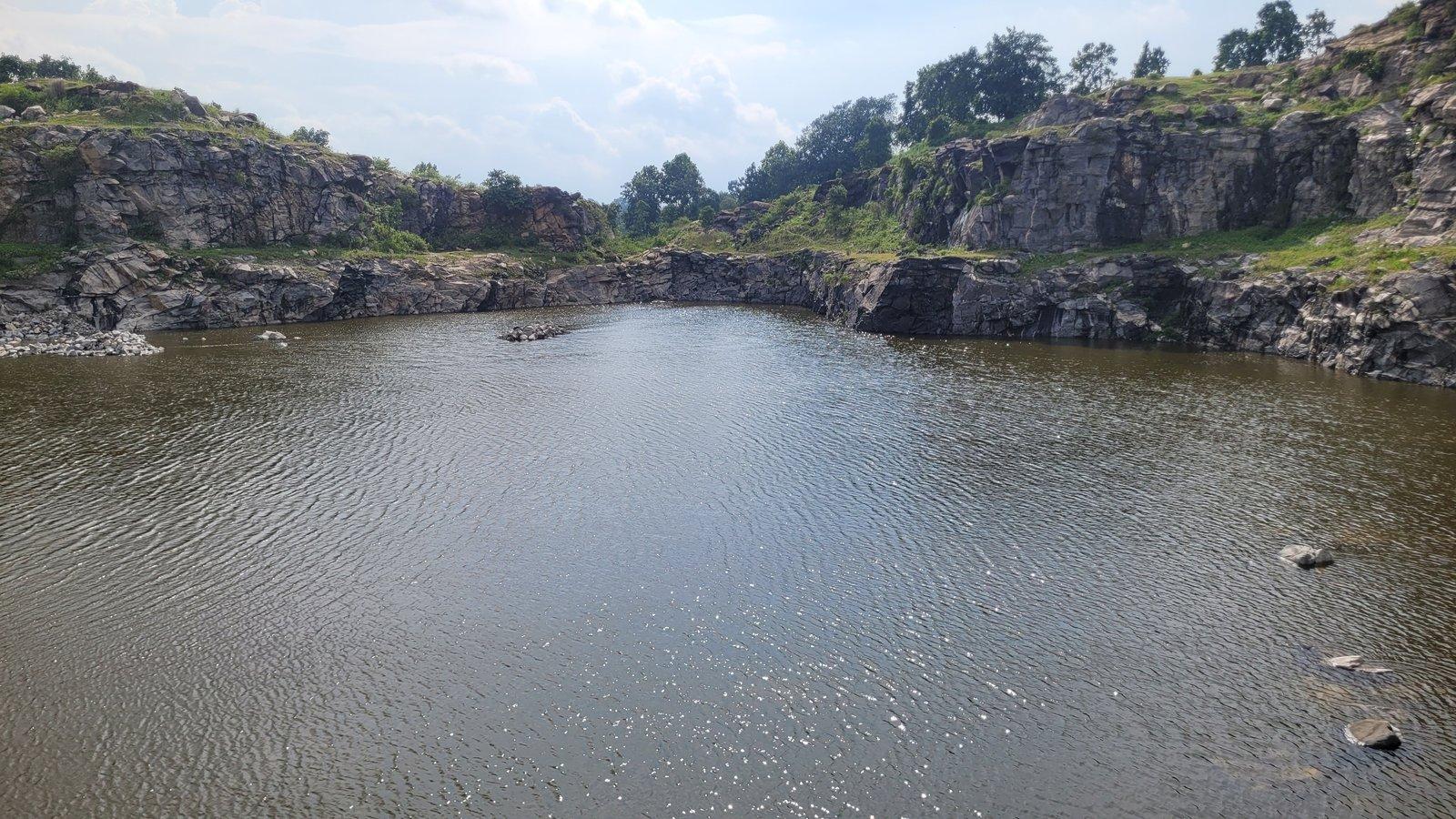
Underneath it all is ancient rock of the Chhotanagpur granite gneiss complex, which is why so many hills, such as Matha Buru and Pakhi Pahar, rise as bare domes above the trees.
Who manages the Ajodhya Hills forest?
The forests belong to the West Bengal Forest Department. The Telegraph (2024) placed the Ajodhya Hills and Baghmundi under the Purulia Forest Division, and The Statesman (2022) listed Ayodhya, Matha, Jhalda, Balarampur, Kotshila and Arsha among Purulia's forest ranges. The Matha range keeps a range office and forest rest house close to the resort.
The hills are not part of any of West Bengal's national parks or wildlife sanctuaries, nor of the Mayurjharna Elephant Reserve, which lies in Bankura, Jhargram and Paschim Medinipur districts. They are working forest, crossed by roads, dotted with villages and used for grazing and gathering.
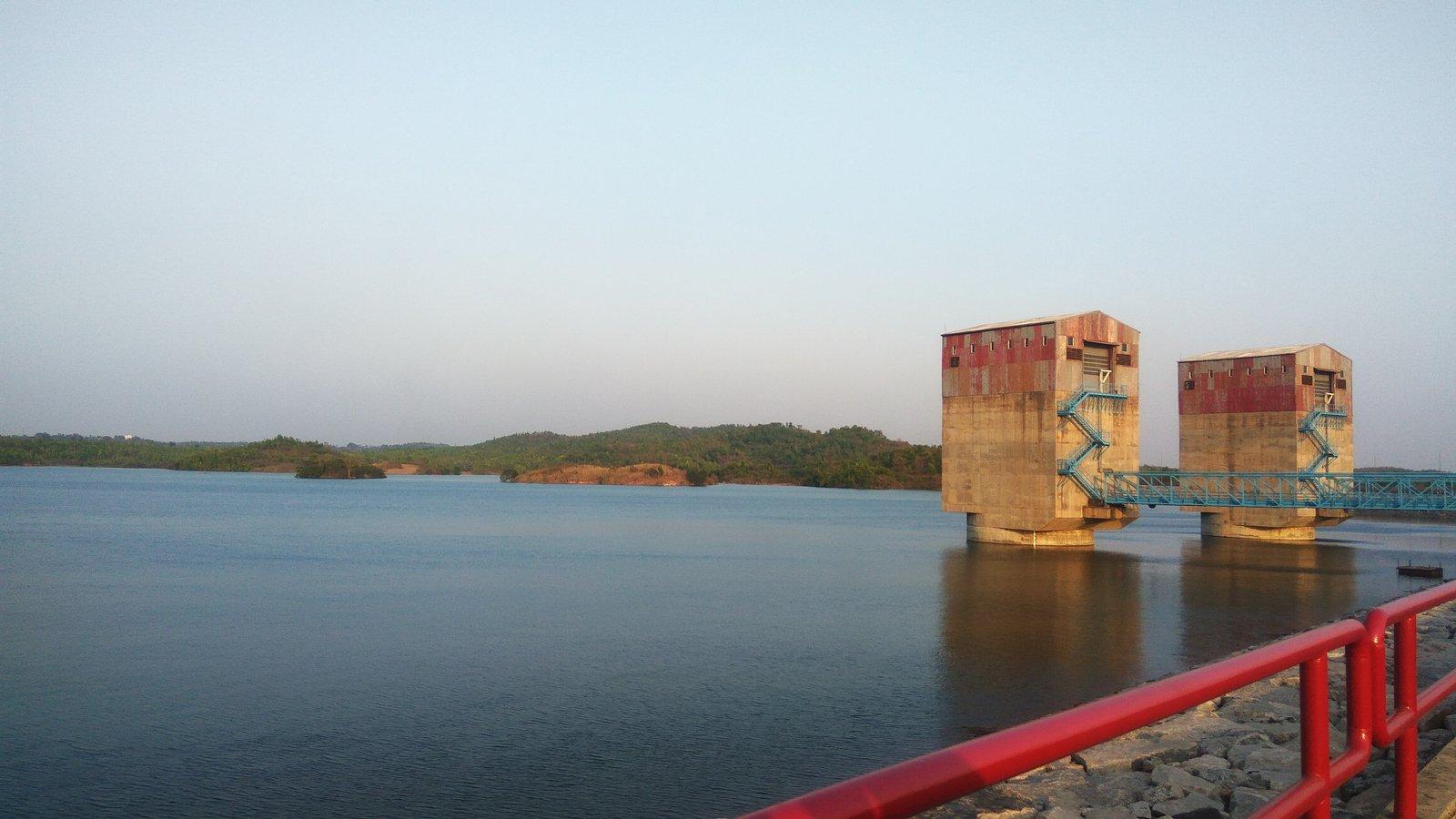
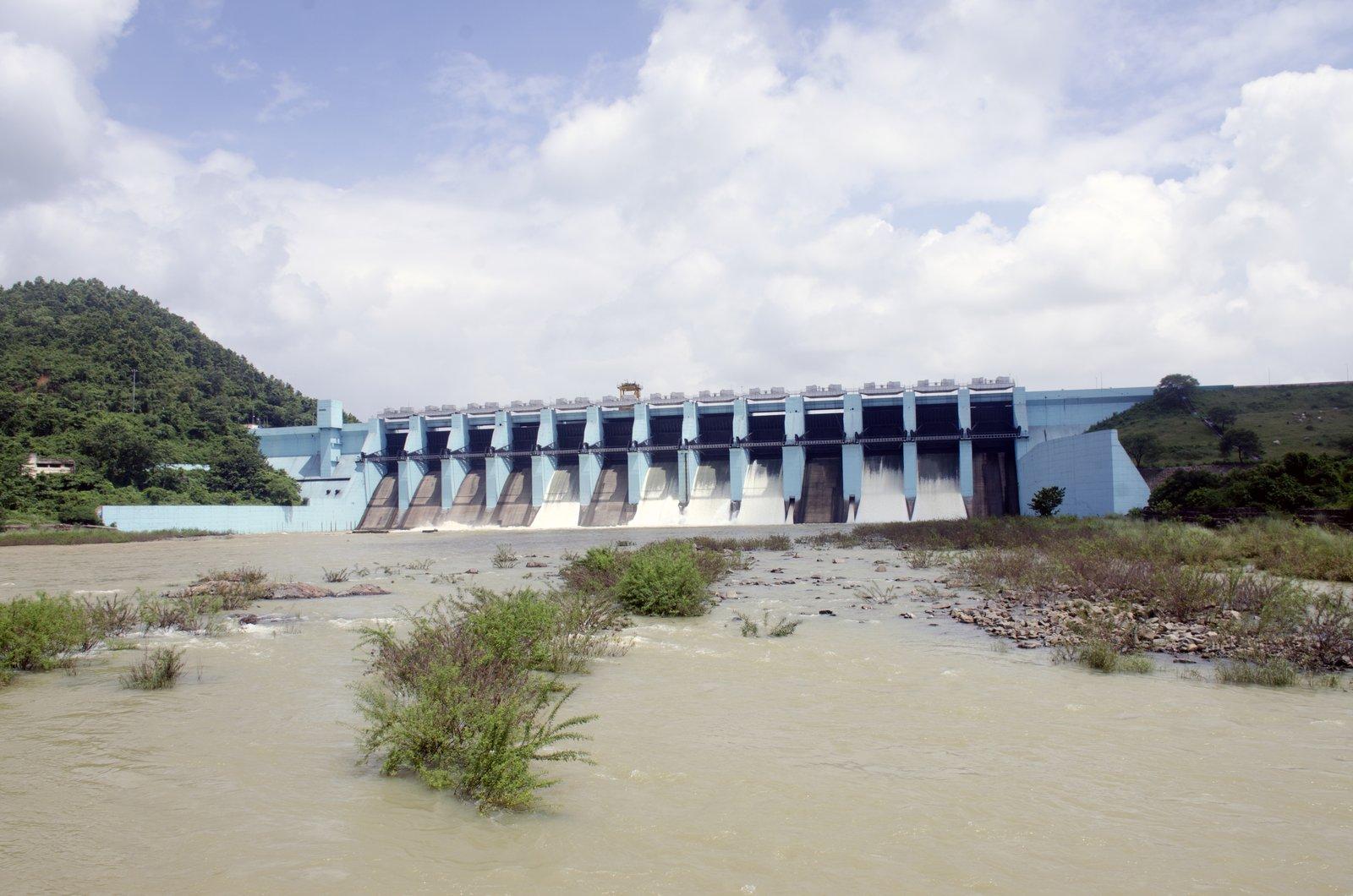
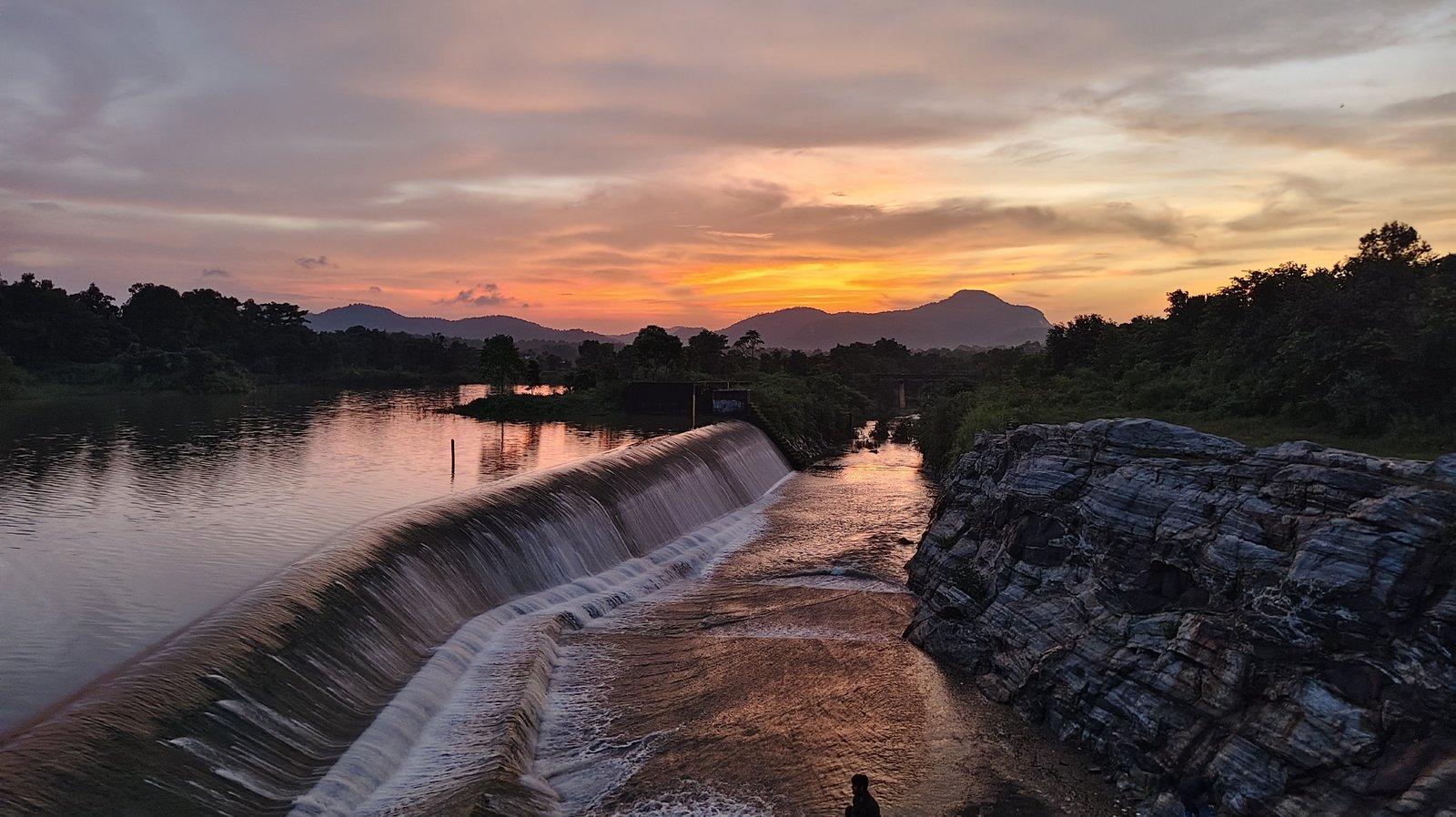
Large projects have taken their share. The Purulia Pumped Storage Project, completed in 2007, took about 442 hectares of land, 373 of them forest, for its Upper Dam and Lower Dam. The planned Turga Pumped Storage Project at Thurga Dam needs 292 hectares, 234 of them forest, and has been contested by Santal villages for close to a decade. Our post on the Purulia Pumped Storage Project tells that story.
What wildlife lives in the Ajodhya Hills?
Be realistic: most of the larger animals here are nocturnal, shy and thinly spread, and a day visitor is far more likely to see birds, butterflies and monkeys than a hyena. But the records are real, and some are recent.
Elephants from Dalma
Elephant herds from the Dalma forests in Jharkhand use these hills as part of a wider corridor through south-west Bengal. In May 2022 The Statesman counted about 30 wild elephants in three herds in Purulia; in December 2025 it reported a herd of 42 from Dalma, around 20 in the Jhalda range and 16 or 17 in the Balarampur range, drawn by water and food, particularly wood apples. Local people told Mongabay that elephants now pass the pumped storage dams less often, because the reservoirs block their old path.
Striped hyenas, wolves and jackals
Between November 2023 and March 2024, trap cameras in the Ajodhya Hills, Baghmundi and Garh Panchkot photographed striped hyenas more than 60 times, as part of a study funded by the Wildlife Trust of India (The Telegraph, 2024). Researchers also found scat, pugmarks and bones at what they believe are hyena dens. The same article noted that other "lesser mammals" — the Indian wolf, golden jackal and Bengal fox — are believed to have lived in south Bengal's forests for a long time, though their numbers are poorly documented.
Leopards, bears and small cats
Elsewhere in the Purulia Division, the Forest Department has documented leopards in the Kotshila range since 2022, including cubs, and in November 2025 the divisional forest officer described a family of five or six (Millennium Post). The same report mentioned sloth bear and the first record of a honey badger in the district, and noted that biodiversity in the Kotshila range was found to be higher than in the Ayodhya range. In January 2025 researchers reported the first rusty-spotted cat, the world's smallest wild cat, from a Purulia forest.
Further north, a 2025 study around Garh Panchkot recorded sloth bear, fishing cat, Indian rock python and the critically endangered white-rumped vulture.
Pangolins, peafowl and the rest
The Statesman's 2022 list of animals found in the Ajodhya forests runs from spotted and barking deer, wild boar and porcupines to pangolins, pythons, cobras, monkeys, jackals and peacocks. The pangolin is honoured at Pakhi Pahar, where it was carved on a boulder because it is threatened, and Mayur Pahar, "peacock hill", is named after the peafowl.
Birds and butterflies
A 2017 survey of the Ajodhya foothills recorded 167 bird species, and a 2014–15 survey of Baghmundi recorded 54 species of butterflies. Our birdwatching guide covers where and when to look.
Elephants, villages and visitor safety
For the people who live here, elephants are not a spectacle. In October 2018 The Telegraph reported a herd of 20 to 25 in the Ajodhya foothills that had destroyed about 10 hectares of paddy and damaged a dozen mud houses in six villages, and injured a man returning from the forest with firewood. The elephants split into small groups and entered villages after sunset; villagers stayed indoors and traders in Baghmundi shut before dusk. Forest staff and hula parties, teams of villagers trained to drive elephants away, kept chasing the herd back into the forest, only for it to return.
The danger is real. In December 2025 a 62-year-old woman was killed by an elephant at Dakai beat in the Jhalda range; the divisional forest officer said her family would be compensated under the state's scheme for deaths caused by wild animals (The Statesman).
The same Telegraph report noted that some tourists were excited about seeing the herd. Please don't go looking for them.
The forest as livelihood
These hills are home to Santal, Bhumij and other Adivasi communities, and the forest is their larder, pharmacy and fuel store.
- Firewood and medicinal plants: Santal villagers near Turga told Mongabay (2019) that they depend on the forest for firewood and medicinal herbs.
- Kendu leaves: they also collect kendu (tendu) leaves, which are sold for rolling bidis.
- Sal leaves: in the forest-fringe villages of Purulia, women pick sal leaves and stitch them into plates and bowls for sale.
- Guiding: at Pakhi Pahar, women from local self-help groups guide visitors through the forest and clear its plastic litter every morning.
The forest is also sacred. For Santal communities, Marang Buru, "the great mountain", is the chief hill deity, and groves, stones and hills carry meanings that are not always visible to outsiders. Our guide to Santal culture in Purulia explains more.
Old habits are changing. The traditional Disum Sendra hunting festival on Baisakhi Purnima (April–May) once meant a mass hunt; hunting is now illegal, the Forest Department runs checkposts at the entry points, and in 2025 The Statesman reported that the festival passed without harm to wild animals.
How to visit the Ajodhya Hills forest responsibly
- Go in daylight, ideally with a local guide for any walk off the road. The resort can arrange a guide, cab and driver on request; see our experiences.
- Stay on roads and existing paths, and keep away from crops and village fields.
- Take every bit of plastic back with you; villagers near the dams have lost cattle that ate picnic litter.
- No fires, no loud music, no drones over the forest.
- Don't pick flowers, strip bark or take plants, and buy forest products such as sal-leaf plates directly from the people who make them.
- Ask before photographing people, homes or rituals.
From our cottages at the foot of Matha Buru, the forest is never far away. Walk it slowly, by day, and it will show you more than a fast drive ever can. If you want to see big animals in a protected area, the Dalma Wildlife Sanctuary above Chandil Dam in Jharkhand runs safaris and forest trails, and for walking in these hills read our guide to trekking in Purulia.