At a glance
- Jhargram is the closest of the three, about 170 km from Kolkata, and suits a one-night trip into sal forest and the low hills around Belpahari.
- Bankura is the heritage choice: Bishnupur's 17th–18th-century terracotta temples are about 135 km from Kolkata and have been on UNESCO's tentative list since 1998.
- Purulia is the farthest, about 250 km to Purulia town and roughly 290–330 km to the Ajodhya Hills, but has the real hills, waterfalls, dams and Chhau.
- Allow one or two nights for Jhargram or Bishnupur and two or three for Purulia.
- Bankura and Purulia combine well: Mukutmanipur's Kangsabati dam lies on the border of the two districts.
Purulia vs Jhargram (and Bankura) comes down to time and taste. Jhargram, about 170 km from Kolkata, is the easiest one-night escape into sal forest. Bankura, with Bishnupur's terracotta temples about 135 km out, is the pick for heritage. Purulia is the farthest, about 250 km to Purulia town and roughly 290–330 km to the Ajodhya Hills, but it has the real hills, waterfalls, dams and Chhau, and it rewards two or three nights.
All three districts lie on the western uplands of Bengal, where the Chota Nagpur plateau runs down into the plains, and they share red laterite soil, sal forest and large Adivasi communities. What differs is how high the land rises, what has been built on it, and how far you have to drive.
Purulia vs Jhargram vs Bankura at a glance
| Purulia | Jhargram | Bankura | |
|---|---|---|---|
| Road distance from Kolkata | About 250 km to Purulia town; 290–330 km to the Ajodhya Hills | About 170 km to Jhargram town; 205 km to Belpahari | About 135 km to Bishnupur; 210 km to Mukutmanipur |
| Landscape | Plateau hills, rocky falls, reservoirs, sal forest | Sal forest and laterite; low hills around Belpahari and Kankrajhor | Rice plains in the east; low hills, scrub and forest in the west |
| Headline sights | Ajodhya Hills dams and falls, Pakhi Pahar, Charida masks, Garh Panchkot, Baranti | Jhargram Palace, Kanak Durga temple, Ghagra falls, Kankrajhor, Gadrasini | Bishnupur temples, Mukutmanipur dam, Susunia hill, Jhilimili forest |
| Culture and crafts | Chhau dance and masks, Santal villages | Santal and other Adivasi communities; a state tribal interpretation centre at Bandarvula | Terracotta temples, Baluchari saris, Dokra metalwork |
| Best season | November–February; March for palash; monsoon for full falls | Winter; the monsoon for green forest and Ghagra | November–February; Bishnupur Mela in late December |
| Time to allow | 2–3 nights | 1–2 nights | 1–2 nights |
| By train | Purulia Junction, Barabhum | Jhargram, on the Howrah–Kharagpur–Tatanagar line | Bishnupur and Bankura, on the Kharagpur–Bankura–Adra line |
Jhargram: the closest forest escape
Jhargram became a district in April 2017, carved out of Paschim Medinipur, and much of it is forest: about 59,500 hectares, mainly dry sal. Santals and other Adivasi communities make up nearly three in ten of its people. The land is gentle. Its highest ground, around Kankrajhor, is only about 300 m, compared with about 575 m on top of the Ajodhya plateau in Purulia.
Around Jhargram town:
- Jhargram Palace, the home of the Malla Deb family, commissioned in 1931.
- Kanak Durga temple at Chilkigarh, which the district administration estimates is more than 500 years old.
- Jhargram Zoological Park, a small zoo opened by the state forest department about 2 km from town.
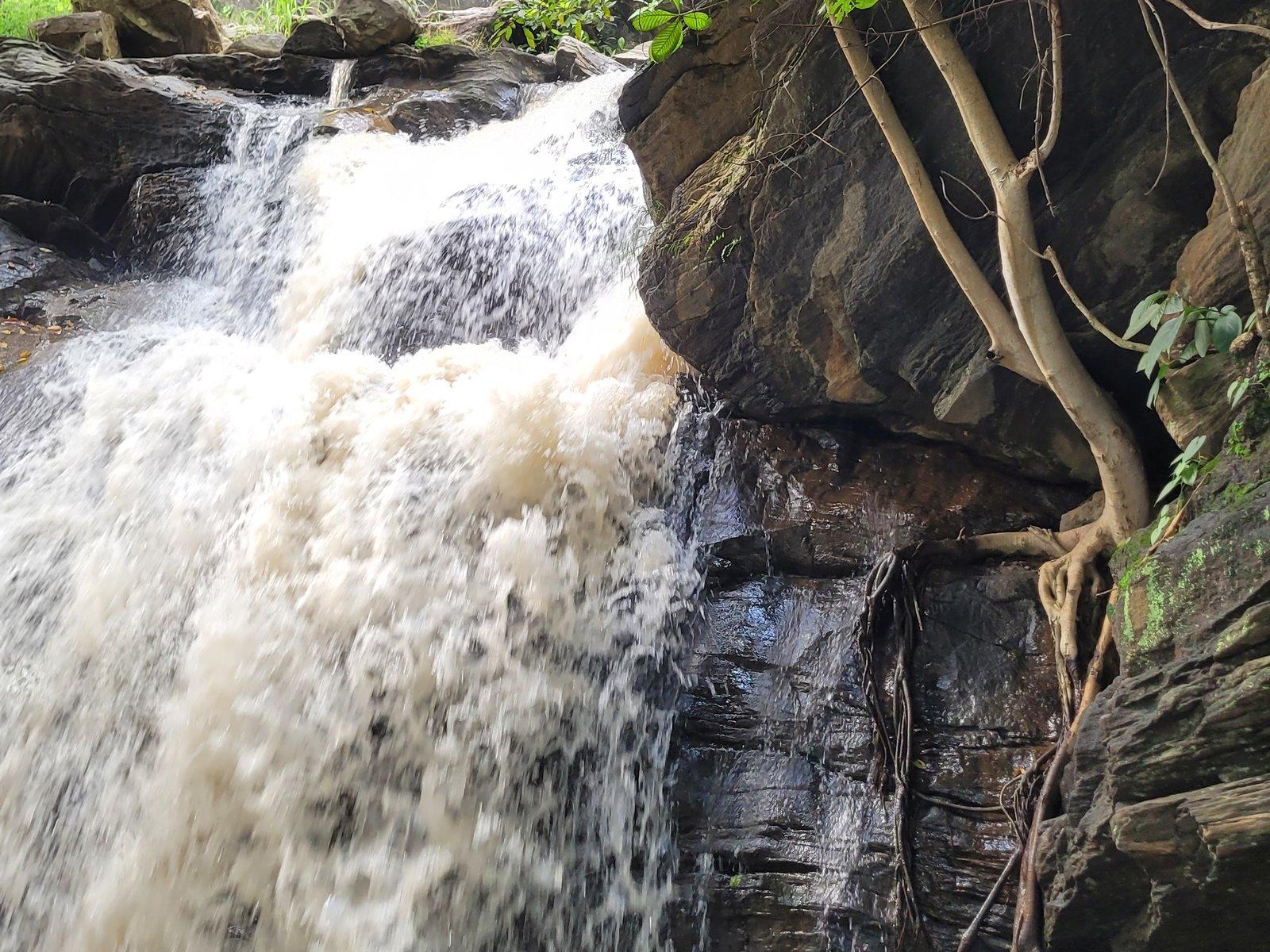
Further west, the Belpahari area is where the land starts to rise. Ghagra is a waterfall about 7 km north of Belpahari, where the water runs through a canyon of black stone. Gadrasini Hill is 8 km from Belpahari, Kankrajhor is known for its forest, hills and streams, Khandarani dam sits among the woods, and Laljal cave lies about 68 km from Jhargram.
Choose Jhargram if you have one night, want forest walks and a quiet palace town, and would rather spend the weekend there than on the road. The town is on the main line from Howrah through Kharagpur to Tatanagar, which makes it easy by train.
Bankura: temples, terracotta and a giant earth dam
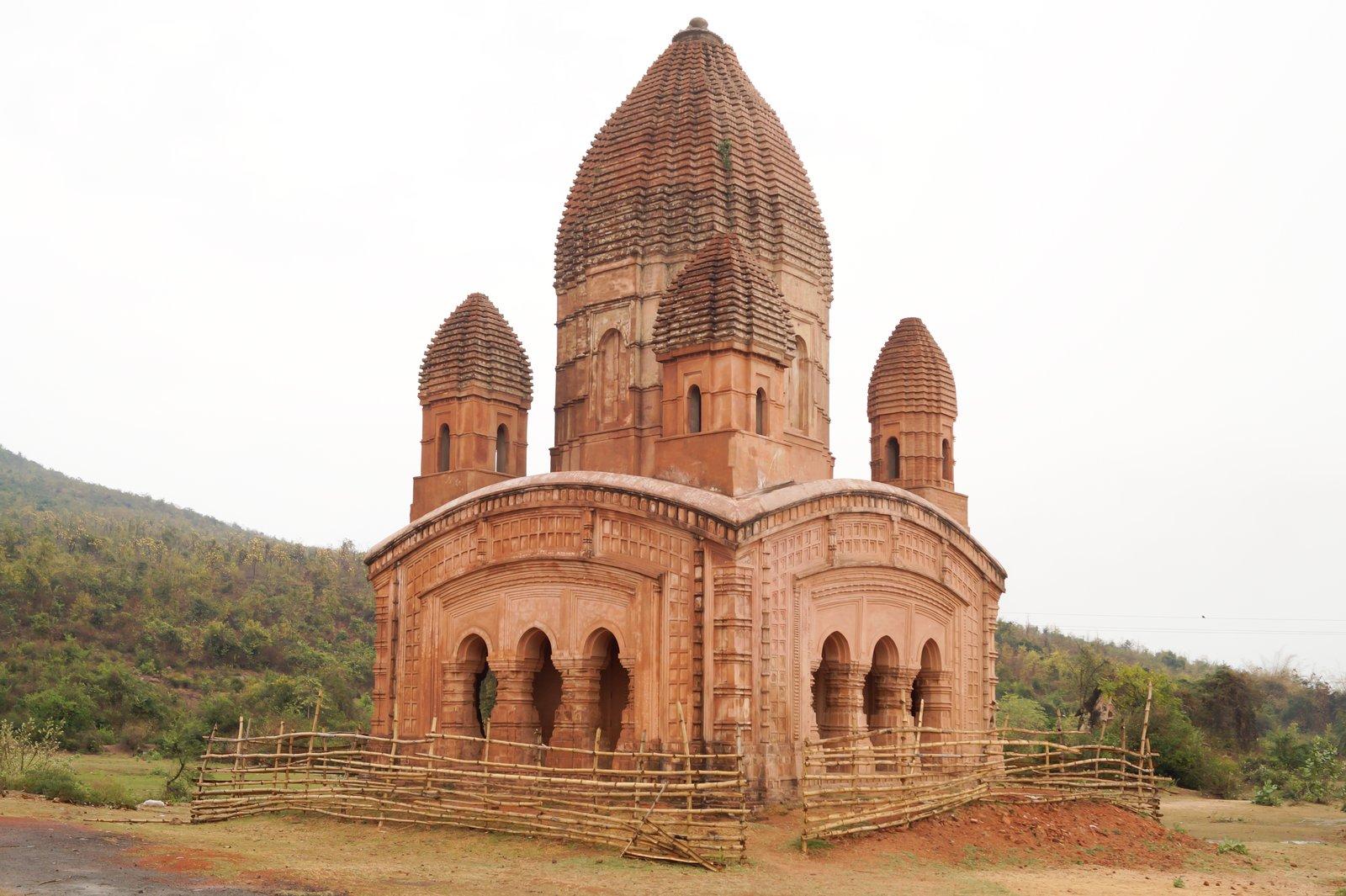
Bankura's big draw is Bishnupur, capital of the Malla kings, who built its brick and terracotta temples in the 17th and 18th centuries. The Shyam Rai temple dates to about 1643, the Jor Bangla to about 1655 and the Madan Mohan to about 1694, and the pyramid-roofed Rasmancha is described as the oldest brick temple in the town. The temples have been on UNESCO's tentative list since 1998 but are not yet a World Heritage Site. Bishnupur is also the home of the Baluchari sari, and its Bishnupur Mela has been held every year since 1988, from 23 to 27 December.
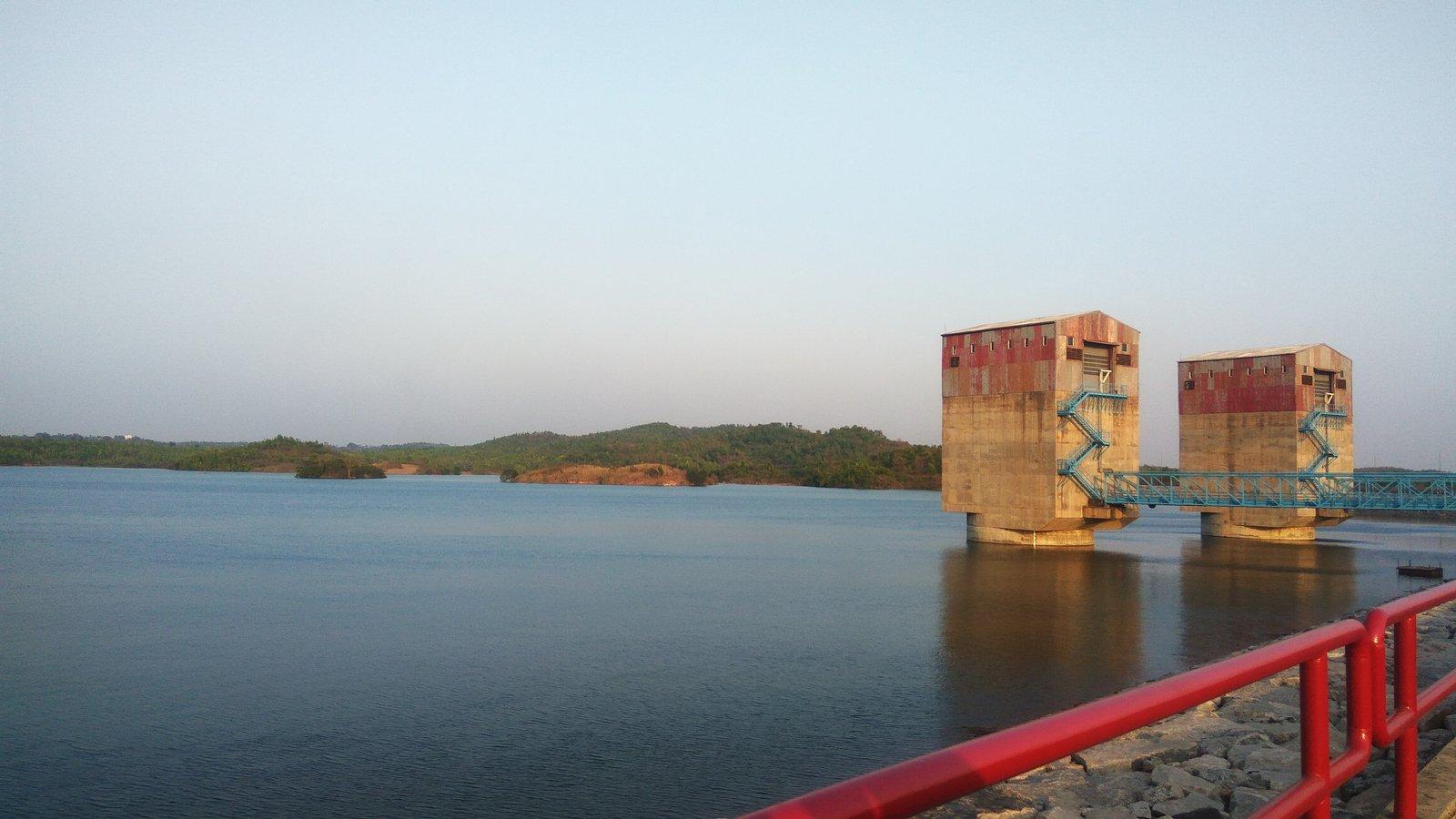
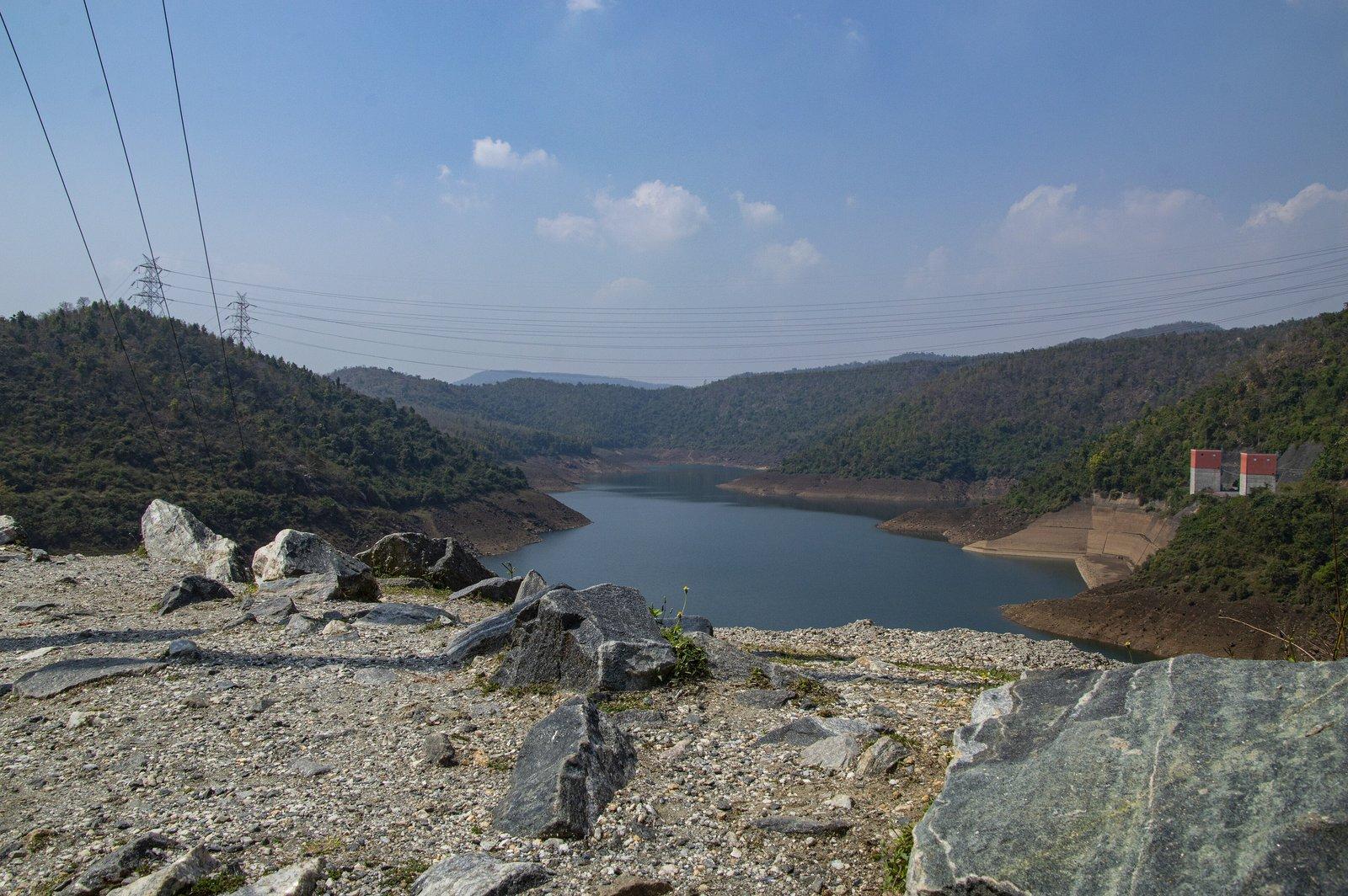
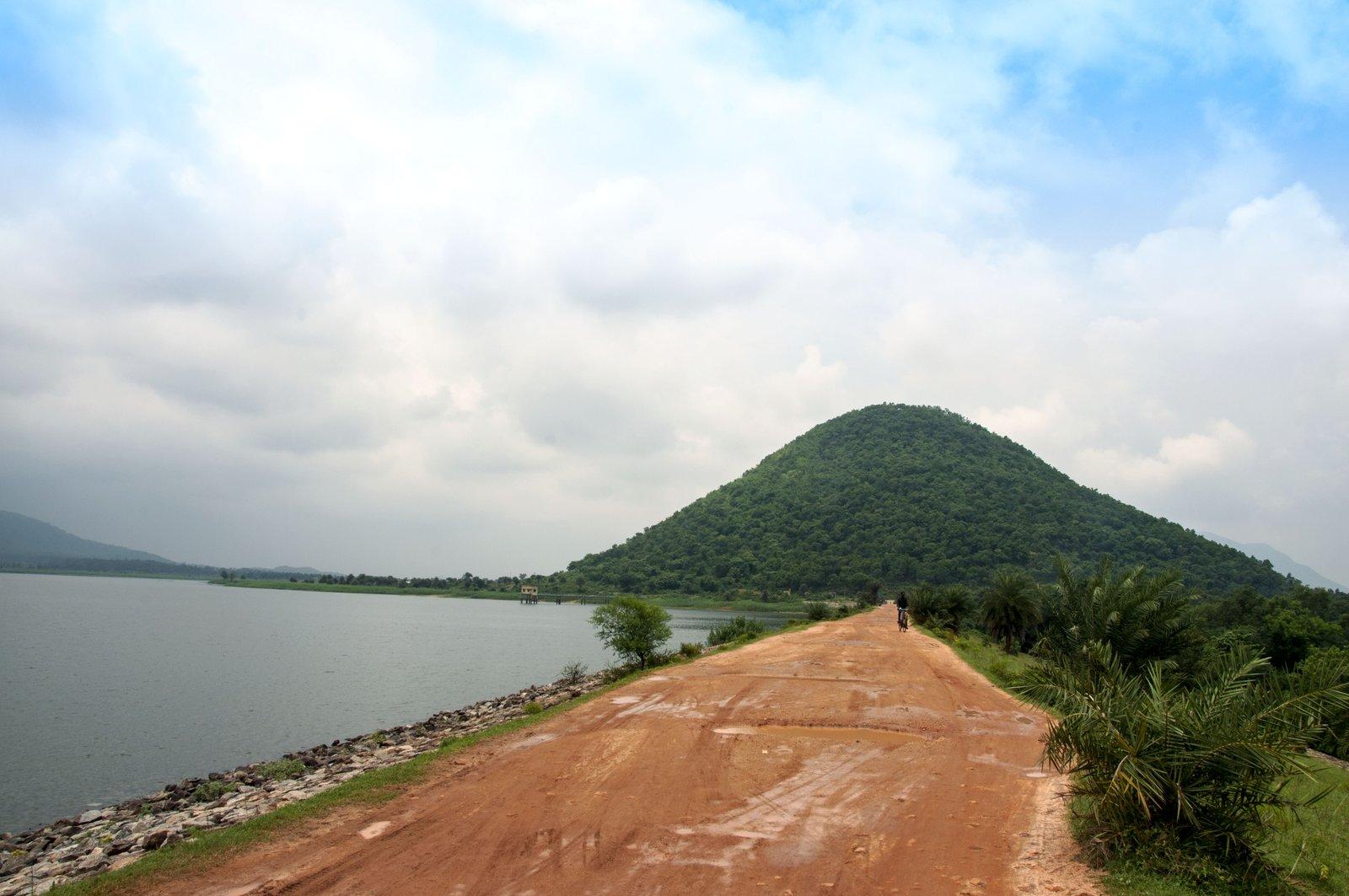
To the south-west, Mukutmanipur sits where the Kangsabati and Kumari rivers meet behind the Kangsabati dam, an earthen embankment about 10 km long and 38 m high. The district administration calls it the second largest earthen dam in India. Bangopalpur Reserve Forest is about 2 km from the lake, and Ambikanagar, an old Jain site, about 4 km from the dam.
North of Bankura town, Susunia is a rock-climbing centre with a holy spring and a 4th-century rock inscription, claimed to be the oldest in West Bengal. The Jhilimili road from Ranibandh runs through forest in the far south-west.
Choose Bankura if temples, history and crafts matter more to you than viewpoints. Bishnupur works as a one-night trip, and adding Mukutmanipur makes it two. Bankura's summers are fierce, with temperatures around 45 °C before the monsoon, so this is a winter trip.
Purulia: the hills, falls and Chhau
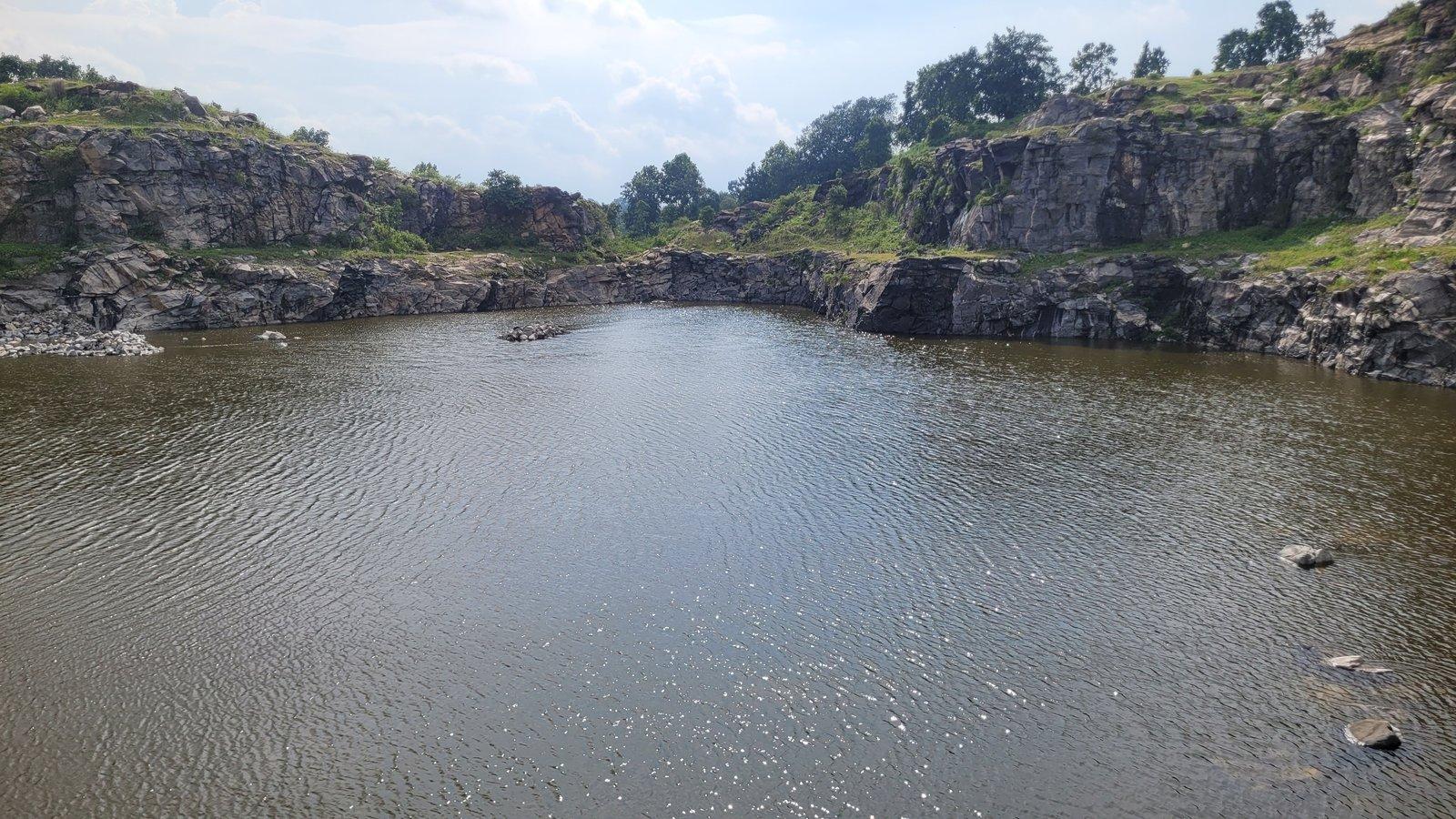
Purulia is the westernmost district of West Bengal and the hilliest of these three. The Ajodhya Hills rise to a flat plateau at about 575 m, with the twin reservoirs of the 900 MW Purulia Pumped Storage Project, the blue quarry lake called Marble Lake, and waterfalls such as Bamni and Turga dropping through the forest. At Pakhi Pahar, giant birds are carved into a bare rock face.
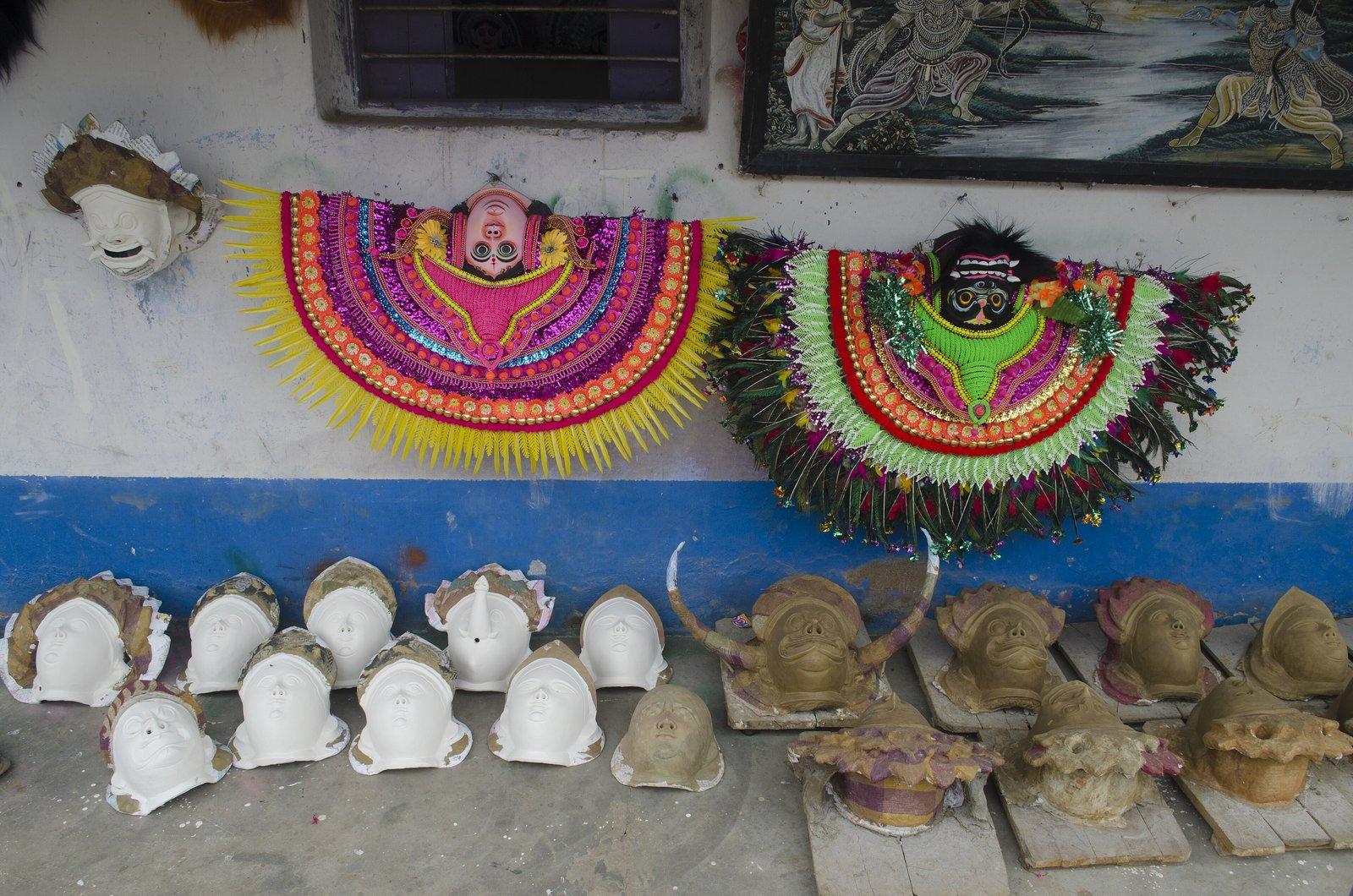
The culture is just as strong. Purulia Chhau, the masked dance inscribed by UNESCO as world intangible heritage in 2010, is performed at night in the villages around the spring festival of Chaitra Parva. Its masks are made at Charida, where more than a hundred families work in open-fronted workshops along the main road. In the north-east of the district, the ruins of Garh Panchkot and the lake village of Baranti make a separate day or night, and palash turns the hills red in March; our palash season guide has the details.
Choose Purulia if you want hills, waterfalls, sunrise viewpoints and Chhau, and can give it two or three nights. The extra distance is the trade-off, so leave Kolkata early or take a train. Our Purulia weekend trip from Kolkata shows how to fit the main sights into a short break, and how to reach Purulia covers trains and roads.
Which should you pick?
- Only one night, or leaving on Saturday morning: Jhargram or Bishnupur.
- Temples, history and handicrafts: Bankura, for Bishnupur.
- Quiet forest and village walks: Jhargram, around Belpahari and Kankrajhor.
- Hills, waterfalls, viewpoints and Chhau: Purulia.
- Rock climbing: Susunia in Bankura, or Matha Buru and Joychandi in Purulia, both long-standing training grounds for Bengal's climbing clubs. See our guide to rock climbing in Purulia.
- The monsoon: Purulia for the fullest falls, or Jhargram for green forest and Ghagra. Keep out of the water at every fall.
- Families with young children: Jhargram's short drive, or Bishnupur's temples in a compact town, for one night; Purulia if you can give it longer.
When to go
The three districts share a climate. Summers are hot and dry, the monsoon runs from June to September, and November to February is cool and clear, which makes it the best time for all three. Purulia's IMD averages give highs of 37–38 °C in April and May, and Bankura's district records put pre-monsoon shade temperatures at about 45 °C.
Season can tip the choice. In late December, Bishnupur's mela is a strong reason to pick Bankura; in March, the palash makes Purulia hard to beat; and in the rains, Purulia's falls and Jhargram's forest are at their greenest. Our month-by-month guide to the best time to visit Purulia has the detail for the hills.
Can you combine them?
Yes, and Bankura and Purulia combine best. The Kangsabati dam at Mukutmanipur lies on the border of the two districts, so a loop works well over four or five nights:
- Kolkata to Bishnupur, about 135 km, with a night among the temples.
- Bishnupur to Mukutmanipur, about 67 km, for the dam and the lake.
- Mukutmanipur to the Ajodhya Hills, a little over 110 km to the foothills at Matha, for two or three nights.
- Back to Kolkata from Purulia, or by train from Purulia Junction or Barabhum.
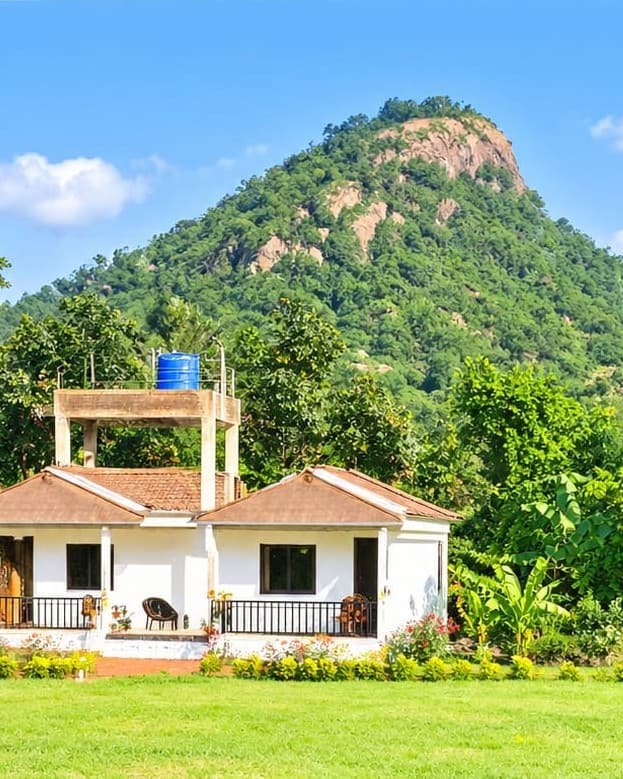
Jhargram links less neatly, but Belpahari is about 100 km by road from the foothills of the Ajodhya Hills, so a forest-to-hills trip is possible with a car and a long day. However you route it, our cottages at the foot of Matha Buru make a base for the Purulia leg; see our rooms.