At a glance
- November to February is the most comfortable time: average highs of about 24–29 °C and almost no rain (IMD 1991–2020 normals for Purulia).
- Palash usually flowers from late February into March around the Ajodhya Hills; the peak shifts with each year's weather.
- April and May are very hot, with average highs of 37–38 °C and a record of 46.3 °C; come then only for festivals such as Gajan.
- July to September is the wettest and greenest stretch, when the falls run full but rocks and streams are at their most dangerous.
- Expect the biggest crowds over Durga Puja, Christmas–New Year and the Holi weekend, and book early for those dates.
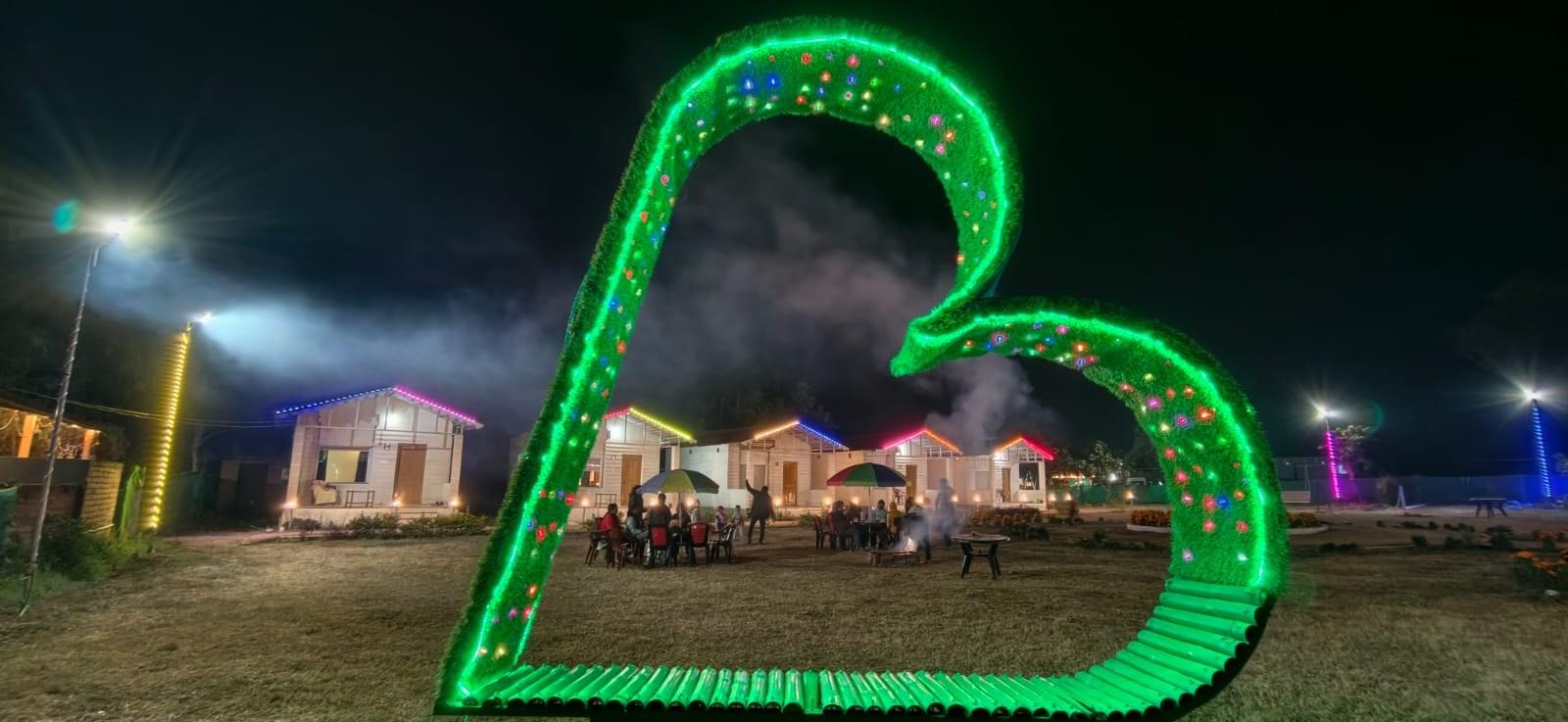
The best time to visit Purulia is November to February, when the weather is dry, days are mild (average highs of 24–29 °C) and nights are cool enough for a bonfire. Late February and March bring the red palash bloom and Holi, with the heat starting to build. July to September is the green season of full waterfalls. April and May are the months to avoid unless a festival is drawing you.
That is the short answer. Below is the detail month by month: weather from India Meteorological Department (IMD) averages, the festivals that fall in each month, and how busy the Ajodhya Hills tend to get, so you can match the month to the trip you want.
Purulia's seasons at a glance
Purulia sits on the eastern edge of the Chota Nagpur plateau and has a tropical savanna climate: a hot, dry summer, a wet monsoon and a cool, dry winter. IMD's 1991–2020 averages for Purulia give about 1,440 mm of rain a year, and nearly four-fifths of it falls between June and September.
- Cool season (November–February): clear skies, very little rain and average night-time lows of 12–17 °C. This is the main tourist season.
- Hot season (March–May): temperatures climb quickly after mid-March. April and May average highs of 37–38 °C, and the record is 46.3 °C.
- Monsoon (June–September): heavy rain, especially in July, which averages about 340 mm. The red earth turns green and the falls run.
- October: the rains taper off, the hills are still green and the Puja holidays bring crowds.
The figures come from the Purulia town weather station; the Ajodhya Hills follow the same seasons. For more on the cool months, see our guide to Purulia in winter.
Purulia weather month by month
| Month | Avg high / low | Rain | What's special | Crowds |
|---|---|---|---|---|
| January | 24 °C / 12 °C | 20 mm | Coolest nights; Tusu ends at Poush Sankranti in mid-January | Busy in the New Year week, then steady |
| February | 28 °C / 15 °C | 15 mm | Dry and warming; palash starts late in the month in a good year | Moderate; busy weekends |
| March | 33 °C / 20 °C | 26 mm | Usual palash peak; Holi (around 22 March in 2027); Gajan season begins | Busy around Holi |
| April | 37 °C / 24 °C | 40 mm | Gajan and Charak fairs before Chaitra Sankranti in mid-April | Quiet except festival days |
| May | 38 °C / 26 °C | 82 mm | Hottest month; Disum Sendra on Baishakhi Purnima (April or May) | Quiet |
| June | 35 °C / 26 °C | 251 mm | Monsoon arrives; seed-sowing festivals | Quiet |
| July | 32 °C / 26 °C | 341 mm | Wettest month; falls in full spate | Quiet |
| August | 32 °C / 26 °C | 296 mm | Deep green hills; Karam and Bhadu season | Quiet |
| September | 32 °C / 25 °C | 242 mm | Falls still full; rain easing towards the end | Quiet |
| October | 31 °C / 22 °C | 93 mm | Rains end; Durga Puja (in some years late September); Bandna after Kali Puja | Busy in the Puja holidays |
| November | 29 °C / 17 °C | 19 mm | Season opens; clear skies; rock-climbing season begins | Busy weekends |
| December | 25 °C / 13 °C | 14 mm | Driest month; cool, clear days; Christmas and New Year | Peak |
Temperatures and rainfall are IMD averages for Purulia (1991–2020), rounded. Festival dates follow the lunar calendar and move from year to year.
When is the best time to visit Purulia for palash?
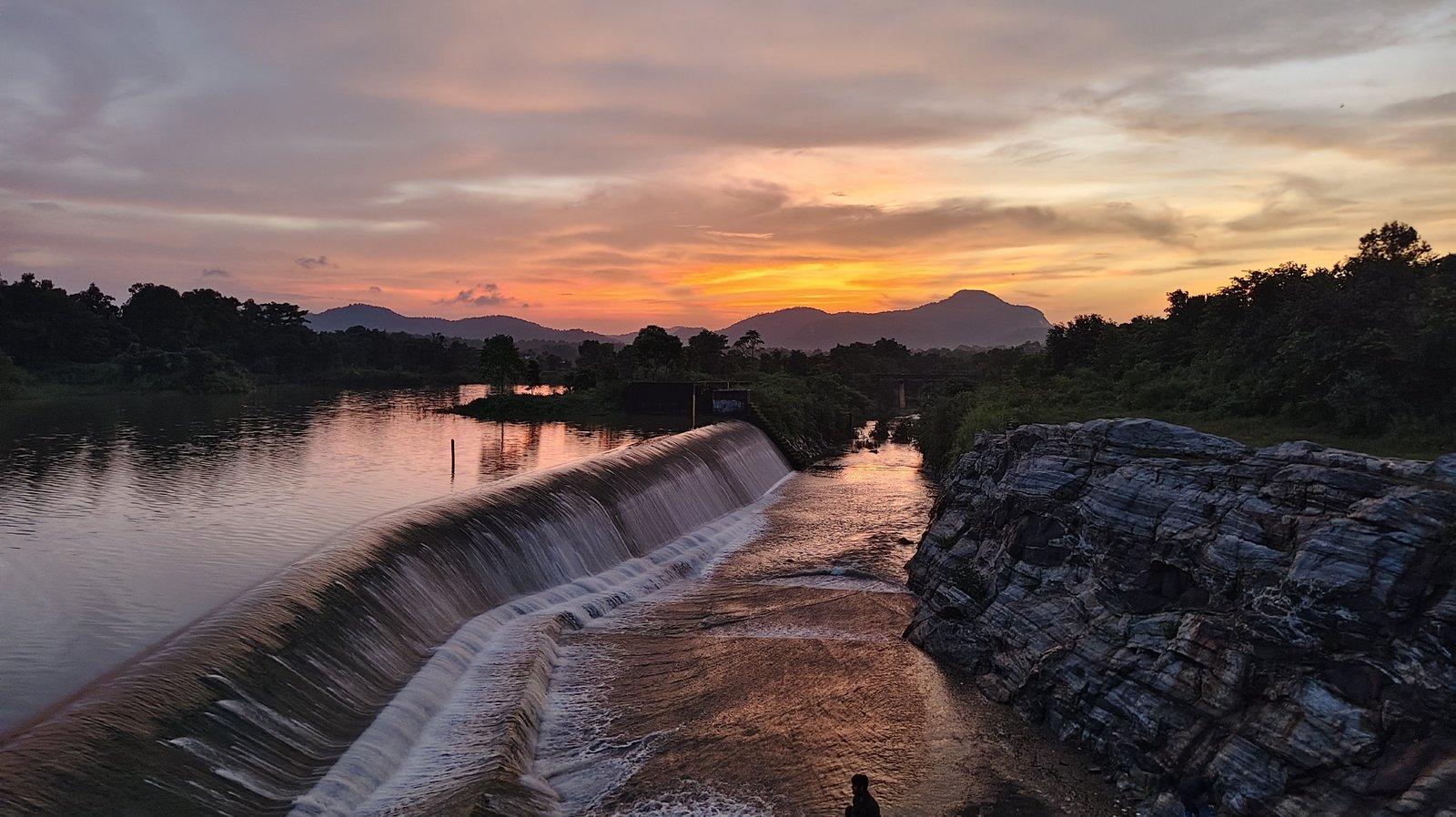
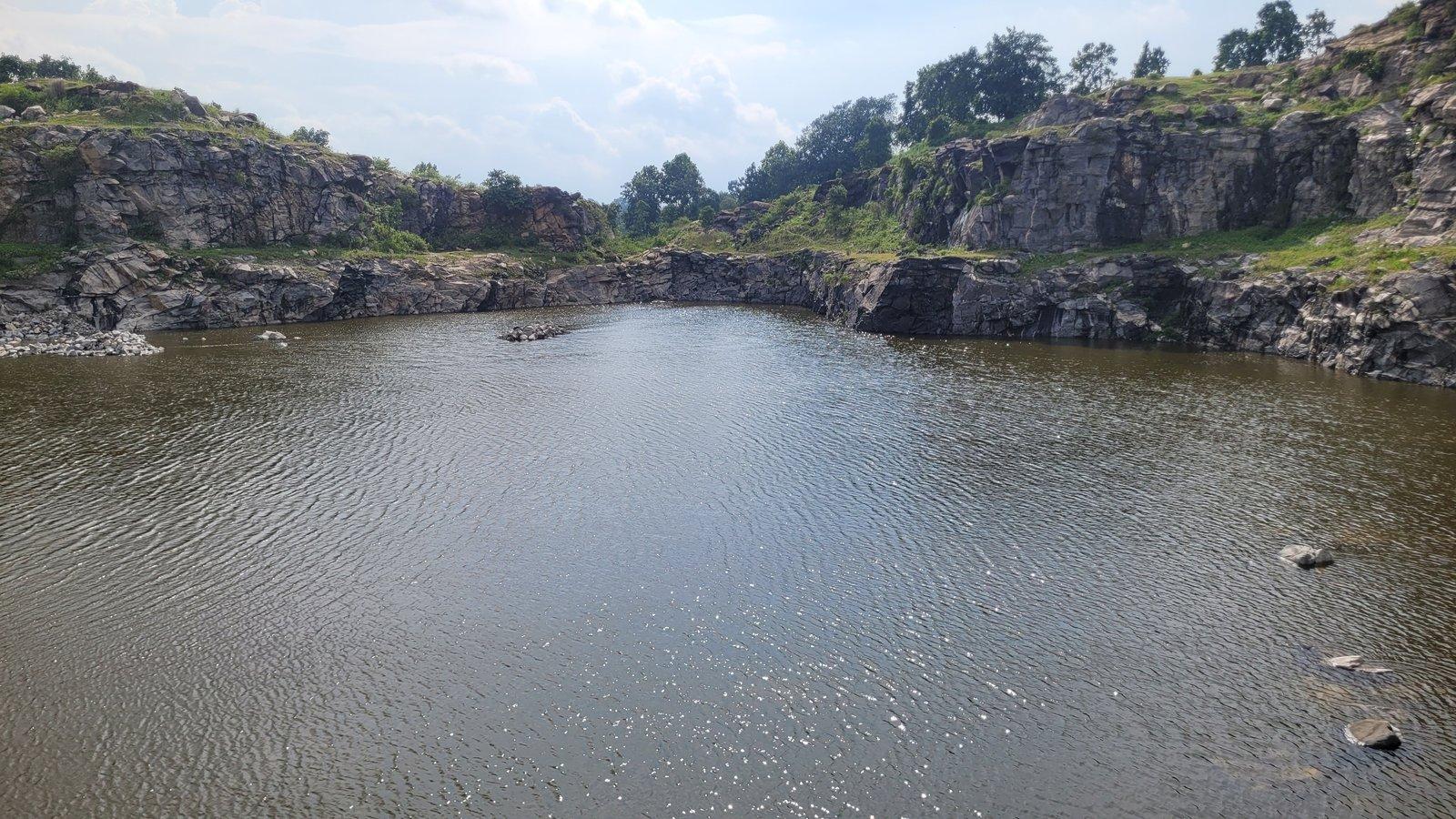
Palash (Butea monosperma), the flame of the forest, is a dry-season deciduous tree that blooms some time between February and April across its range. Around the Ajodhya Hills the show usually starts in late February and peaks in March, when leafless trees along the roads and around lakes such as Khairabera Dam turn orange-red.
Two cautions. The peak moves by a week or two each year, and palash does not flower equally well every year: a winter that is too cold, too dry or too wet can weaken the bloom. And Holi (Dol) brings crowds. In 2027 it falls around 22 March, so expect lodges to fill that weekend and book early.
For the roads and viewpoints where the colour is best, see our palash season guide.
Is Purulia worth visiting in the monsoon?
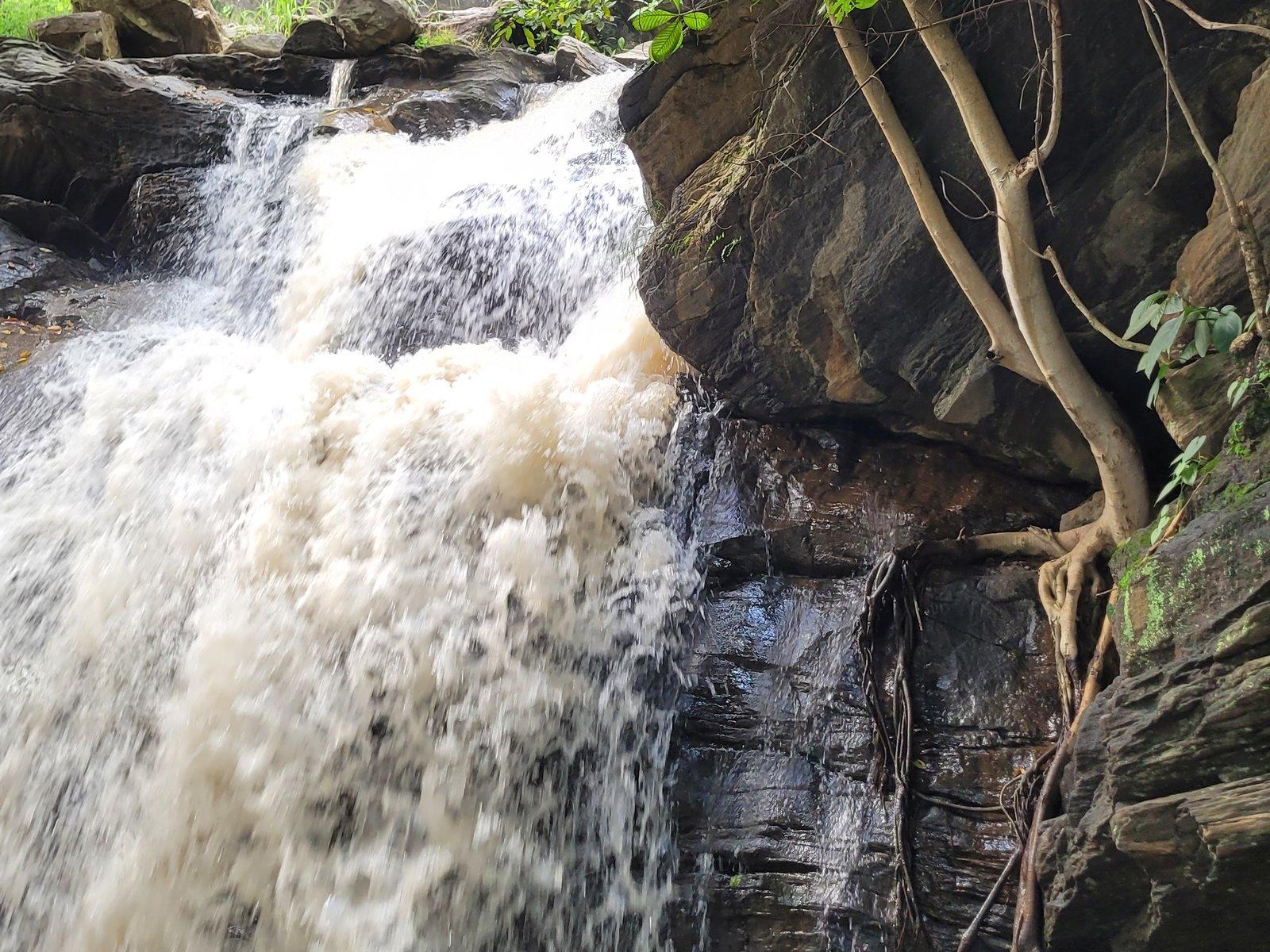
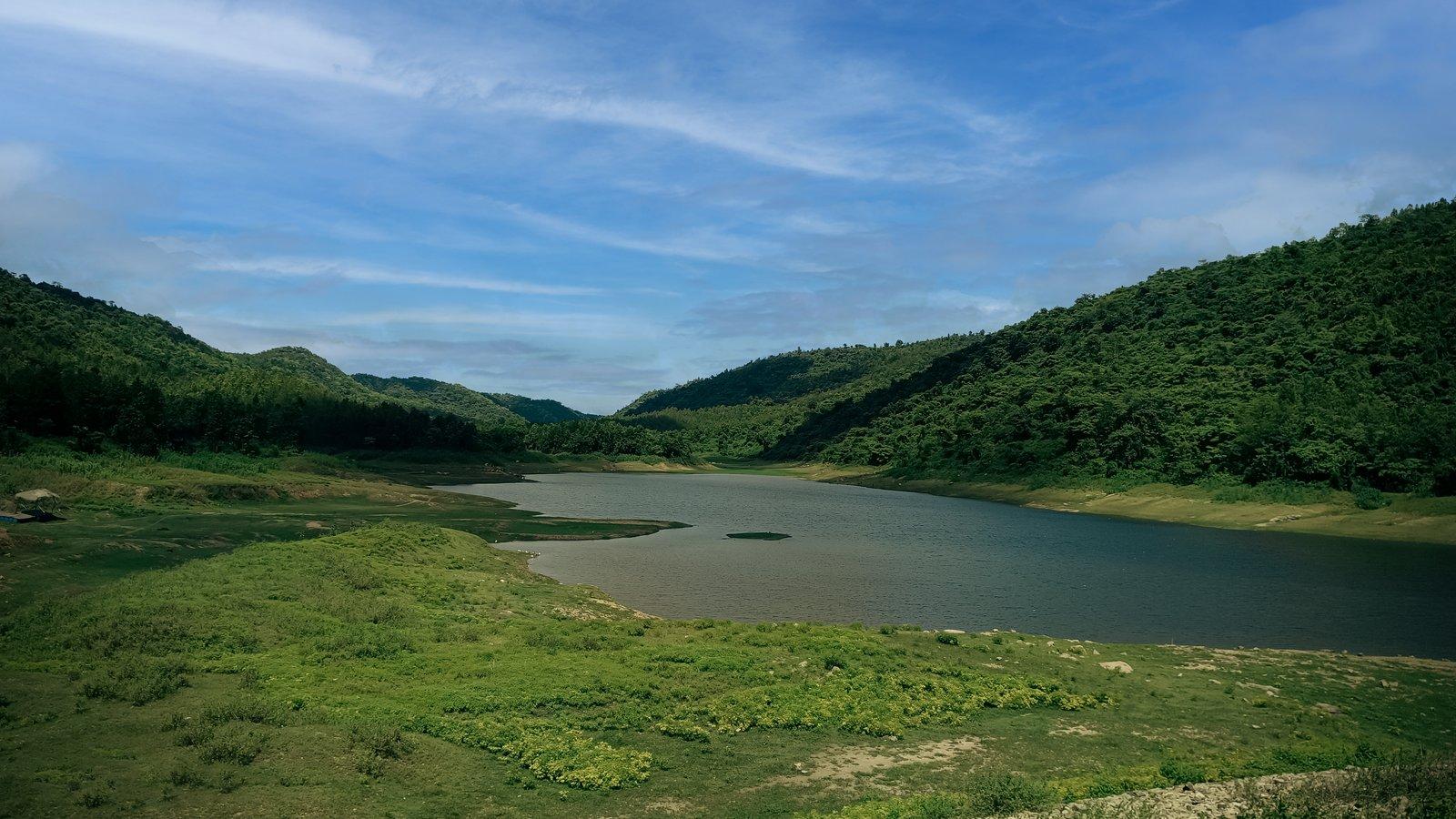
Yes, if you come for green hills and running water rather than long walks. July is the wettest month, and by August the sal forest, paddy fields and roadside grass make the plateau look nothing like the dry red country of May. Bamni Falls and Turga Falls are at their fullest from the monsoon into the weeks just after it.
This is also when the falls are most dangerous. Rocks are slippery, leeches are common on forest paths, and hill streams can rise in minutes: in July 2019 police rescued two college students caught by a flash flood while bathing at Bamni. Watch the falls from the rocks and stay out of the water.
The rains are the season of Karam and Bhadu, the festivals of the month of Bhadro (August–September), and the quietest time for visitors. Our guide to Purulia in the monsoon covers it in detail.
Should you visit Purulia in summer?
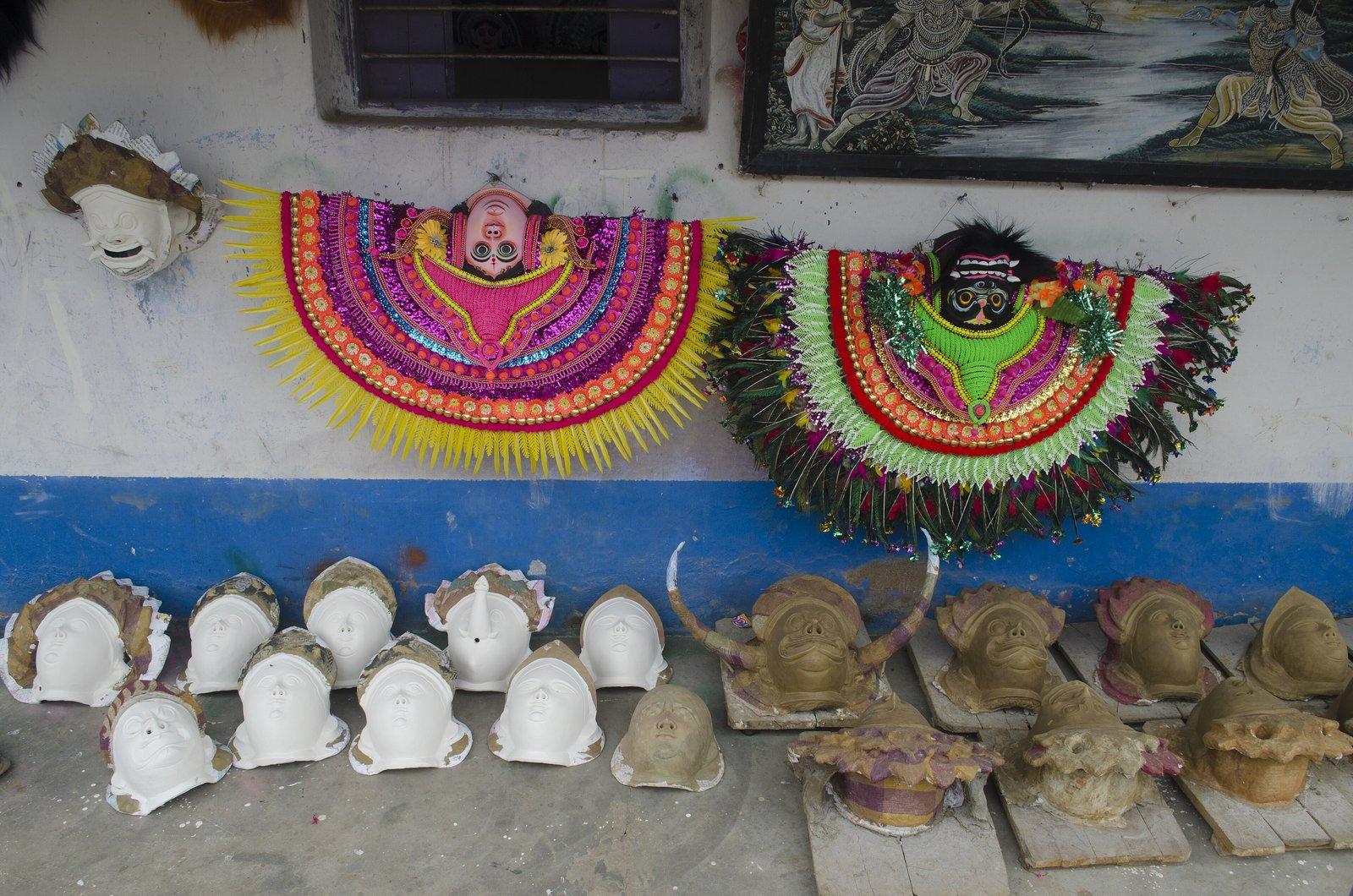
Only with a reason and a plan. From April the plateau is hot and dry: average highs reach 37–38 °C, and Purulia has recorded 46.3 °C. During the April 2024 heatwave the Upper Dam was left almost empty of visitors, and mask sales at Charida fell sharply.
The reason to come is culture. The district lists Shiber Gajan, also called Chhow Parab, as running from the middle of March to the end of May. The Gajan and Charak fair at Lahariya Shib Mandir, in the days before Chaitra Sankranti in mid-April, draws thousands and includes an all-night Chhau performance. On Baishakhi Purnima the Santal Disum Sendra gathering fills the Ajodhya Hills; hunting is now illegal and the forest department sets up check posts, so expect crowds and checks.
If you do go, sightsee from sunrise (about 5 am in May) to mid-morning, rest through the afternoon and go out again after four. More ideas are in Purulia in summer.
Purulia festivals by month
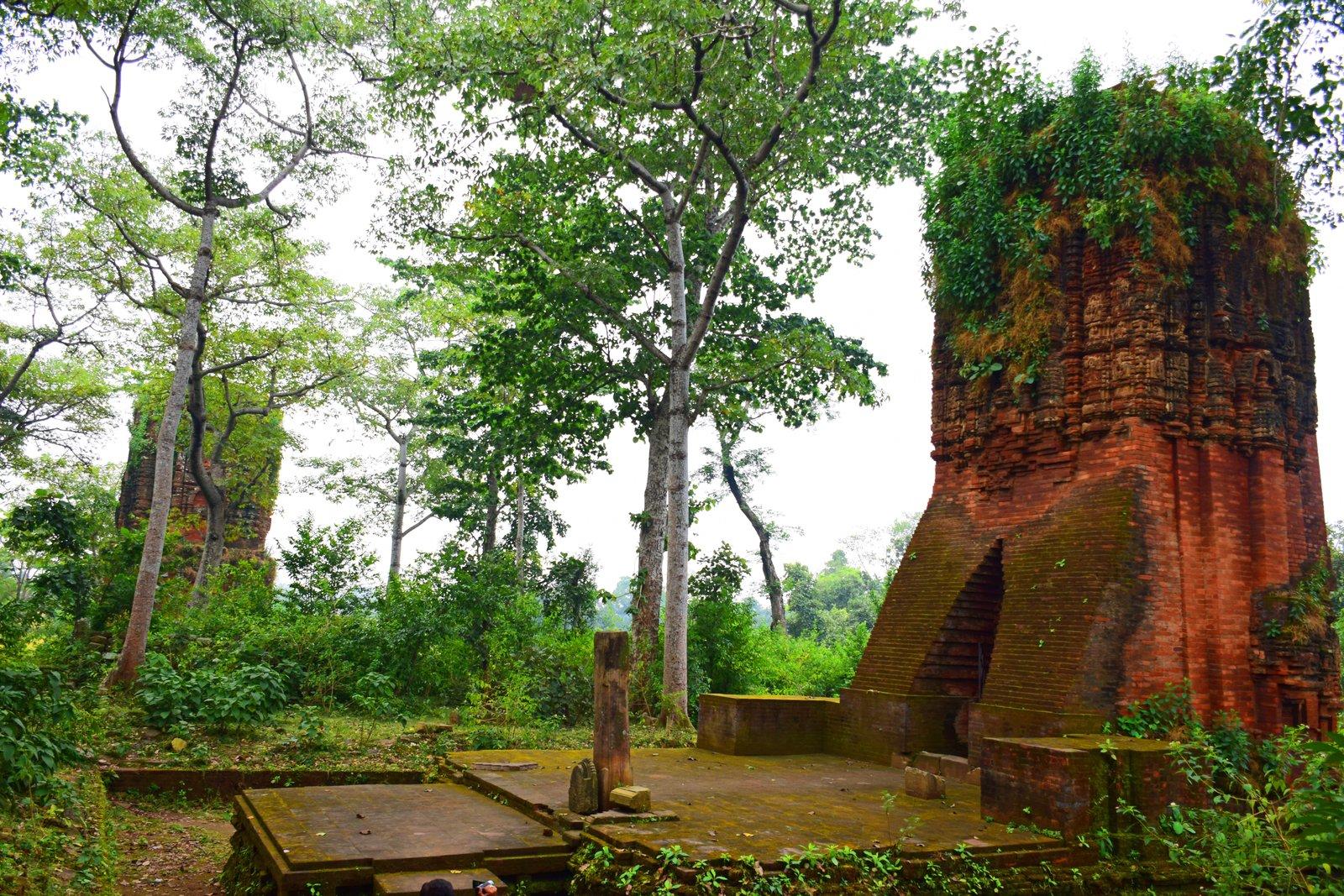
- January: Tusu, the river-centred harvest festival of south-western Bengal, ends at Poush Sankranti (Makar Sankranti, usually 14 or 15 January). It is the busiest time of year at the temple ruins of Deulghata. The month of Magh, from mid-January, brings Bhansingh puja and the Santal festival of Magh Sim.
- February–March: Baha, the Santal spring festival, and Dol or Holi on the Phalgun full moon.
- Mid-March to May: the Gajan season, with the Charak rites at Chaitra Sankranti in mid-April. UNESCO ties Chhau dance to the spring festival of Chaitra Parva, when it is danced at night in an open space.
- April–May: Disum Sendra on Baishakhi Purnima, and Rohini on 13 Jaistha (late May), when farmers sow seed.
- June–July: Erok Sim, the Santal seed-sowing festival, in the month of Asarh.
- August–September: Karam and Bhadu, both in the month of Bhado. Bhadu marks the harvest of the early paddy.
- September–November: Durga Puja (late September or October), then Bandna (Sohrai among Santals and Mundas) after Kali Puja.
- November–December: Jathel among the Santals in Agrahayan, and the Raas Mela in Purulia town.
- 28 December to 1 or 2 January: the Joychandi Pahar tourism fair at the foot of Joychandi hill.
- Winter or early spring: the Chhau mask festival at Charida. Reported dates range from December to March, so check locally.
Who should go when?
- Families with children and older travellers: December and January for the coolest days, or November and February for comfortable weather with fewer people. Pack warm layers for the evenings.
- Photographers: March for palash; August and September for green hills and running falls.
- Birdwatchers: winter, when migratory waterbirds gather on the reservoir at Murguma and the district notes colourful birds around Sita Kund.
- Culture seekers: mid-January for Tusu, mid-April for Gajan and Chhau, Bhadro for Karam and Bhadu, and the days after Kali Puja for Bandna.
- Climbers: November to March, the traditional rock-climbing season, when mountaineering clubs have long run courses on Matha Buru and Joychandi.
- Anyone after quiet and lower prices: weekdays in the monsoon or in February, avoiding the Puja, Christmas and Holi weekends.
Plan your days around the light
Short winter days catch people out. Around Bagmundi the sun sets at about 5 pm through December and does not rise until 6:10–6:30 am in December and January, so the light has gone by about 5:30 pm. In May and June the sun rises at about 5 am and sets between 6:20 and 6:35 pm.
This matters because elephants move through these forests, mostly at night, and forest roads are best left before dusk. In winter, start the hill circuit early, keep a sunset viewpoint for your last stop and be back before dark.
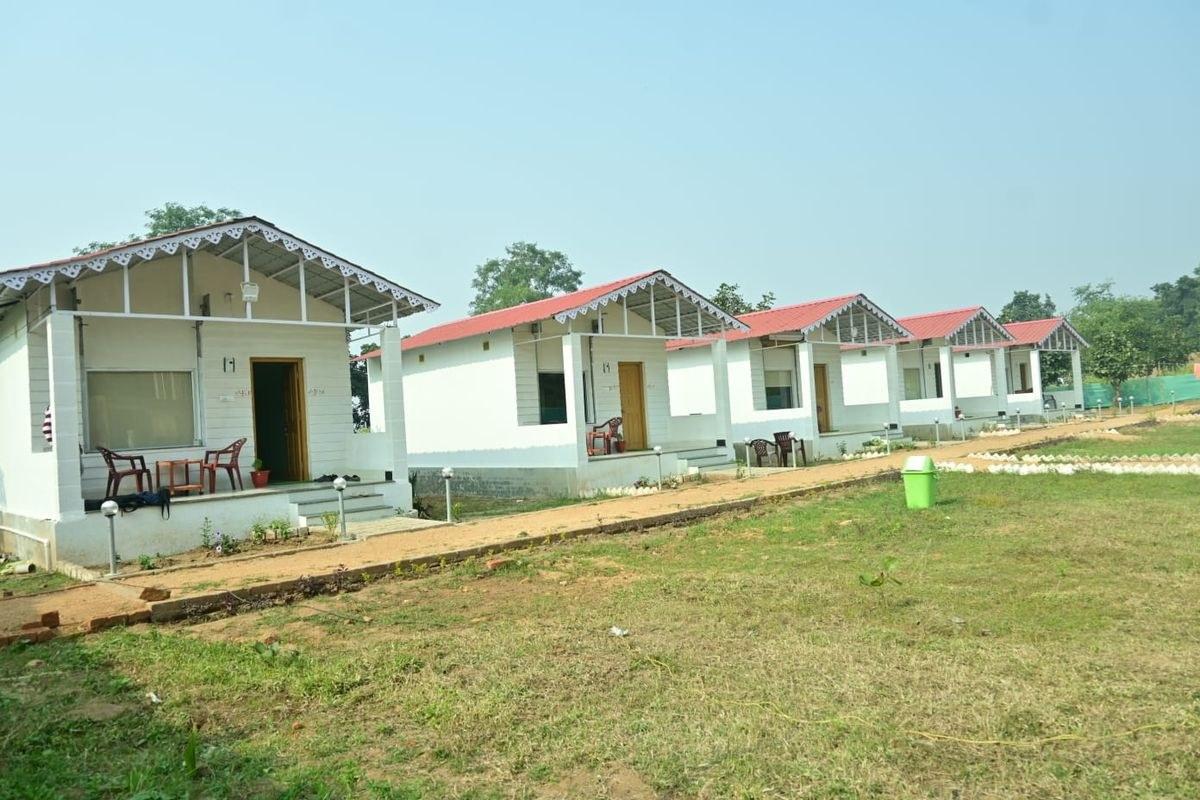
From our cottages at the foot of Matha Buru, the main falls, dams and viewpoints of the Ajodhya circuit are 11–20 km away, so a full day out still gets you home before nightfall in any month. Rangamati can arrange a local guide and a sightseeing cab on request: see our experiences.