At a glance
- Hire a car with a driver for sightseeing: there is no organised local transport to the viewpoints, falls and dams of the Ajodhya Hills.
- Mobile signal is patchy in the hills, so carry cash, download offline maps and fix pick-up times in advance.
- In December the sun sets at about 5 pm; be off forest roads by dusk, as elephants move through these hills mostly at night.
- Never bathe at the waterfalls or in the reservoirs: streams can flood suddenly and the dam levels change as the power station runs.
- Ask before photographing people, buy masks directly from the Charida artisans and take all your litter away with you.
The most useful Purulia travel tips are practical ones: hire a car for sightseeing, carry some cash, expect patchy mobile signal in the hills, be off forest roads before dark, keep out of waterfall pools and book early for winter weekends, Holi and the Puja holidays. Purulia rewards travellers who arrive prepared. Here are 15 things we would tell any friend before a first trip to the Ajodhya (Ayodhya) Hills.
Purulia travel tips for getting around, money and bookings
1. The sights are spread out, so plan on a car
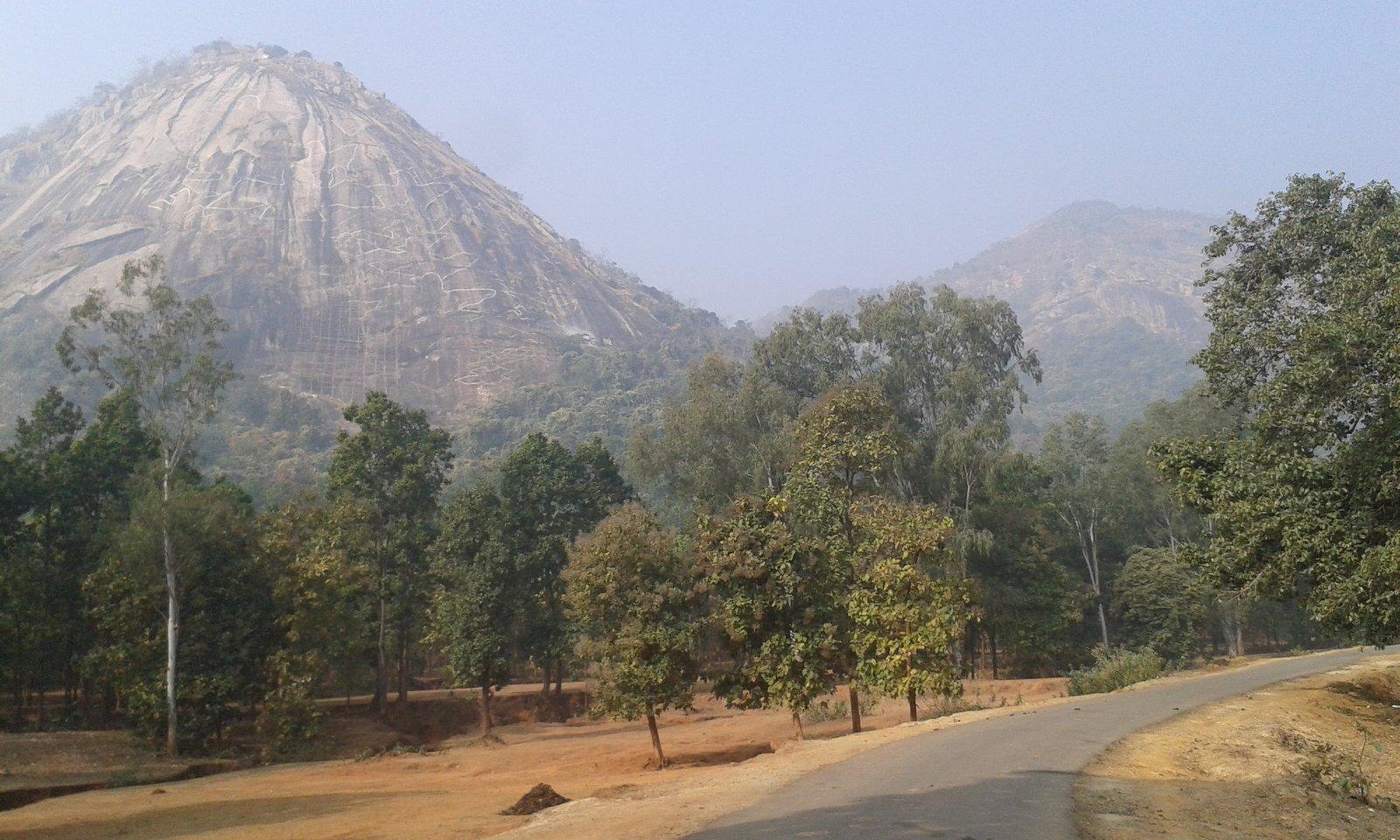
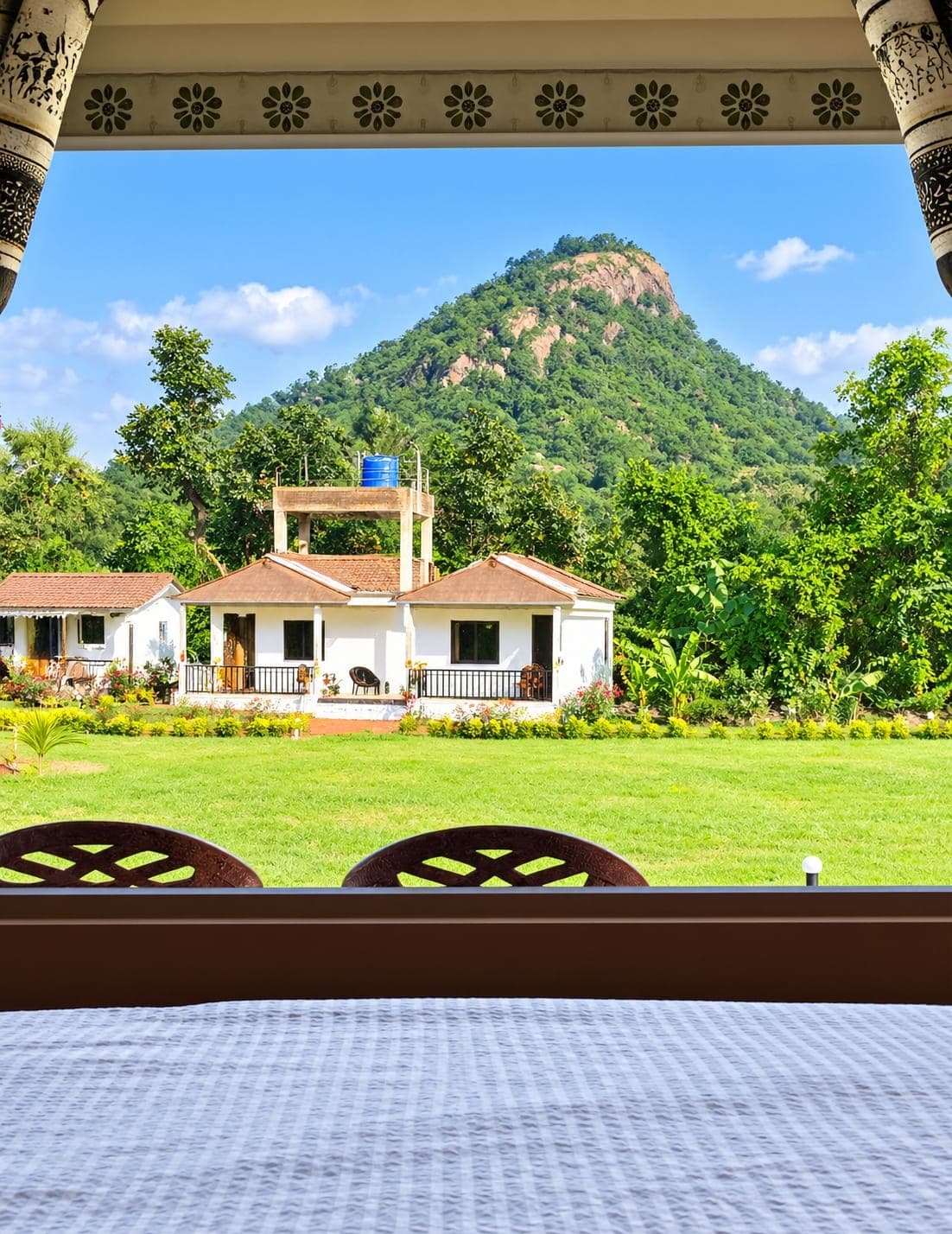
Purulia district covers about 6,259 sq km, and the sights of the Ajodhya Hills are scattered across a plateau and its foothills. There is no organised local transport to the viewpoints, falls and dams, so most visitors hire a car with a driver for the day. Distances look short on a map but the hill roads wind: from our resort near Matha, Bamni Falls is 13 km and Ajodhya Hill Top 20 km.
If you are driving yourself, fill the tank in Purulia town or on the highway before heading into the hills, and don't count on finding fuel on the plateau.
2. Mobile signal comes and goes
Coverage is patchy in parts of the hills and weak around Murguma, on the north-western side. Download offline maps before you leave the highway, save your driver's number, and fix pick-up times and meeting points in advance rather than relying on a call.
3. Carry cash, even if you use UPI
UPI works wherever there is signal, but signal is exactly what you cannot count on. Tea stalls, village shops, guide fees and parking charges are often easiest in cash. The women guides at Pakhi Pahar, for example, charged ₹100 per vehicle in 2023. Withdraw what you need in Purulia town or on the way; Baranti, a popular lakeside village in the north of the district, had no ATM as of April 2026.
4. Book ahead for the busy dates
Winter is the main season, and certain dates fill up fast: Christmas to New Year, the Durga Puja holidays, Holi in palash season and long weekends. Book rooms and cars early for those, and expect busy viewpoints. Festival days bring their own crowds too, such as the Gajan fair at Lahariya in mid-April and the Disum Sendra gathering on Baishakhi Purnima, when the forest department runs check posts on the roads into the hills. Our guide to the best time to visit Purulia has the full calendar.
Daylight, heat and wildlife
5. Winter days are short
Around Bagmundi the sun sets at about 5 pm through December and does not rise until after 6 am, so the light has gone by about 5:30 pm. Start the hill circuit early, save a sunset viewpoint for the last stop and plan to be back at your hotel by dark.
6. Elephants move through these hills
Elephants from the Dalma forests of neighbouring Jharkhand shelter in the Ajodhya range for days at a time in some seasons, moving mostly at night. The Statesman has reported herds roaming the Jhalda and Balarampur forest ranges during the winter tourist season.
- Be out of the forest by dusk and avoid walking forest paths after dark.
- If you see elephants, stay in the vehicle, keep your distance and don't stop for photographs.
- Follow any instructions from forest staff or villagers.
7. Summer heat is serious
From April the plateau is hot and dry. IMD averages for Purulia put April and May highs at 37–38 °C, and the town has recorded 46.3 °C. During the April 2024 heatwave the Upper Dam, normally one of the busiest stops, was almost deserted. If you travel in the hot months, sightsee early and late, rest through the afternoon and carry more water than you think you need.
Safety at falls, dams and in the hills
8. Waterfalls and reservoirs are not for swimming
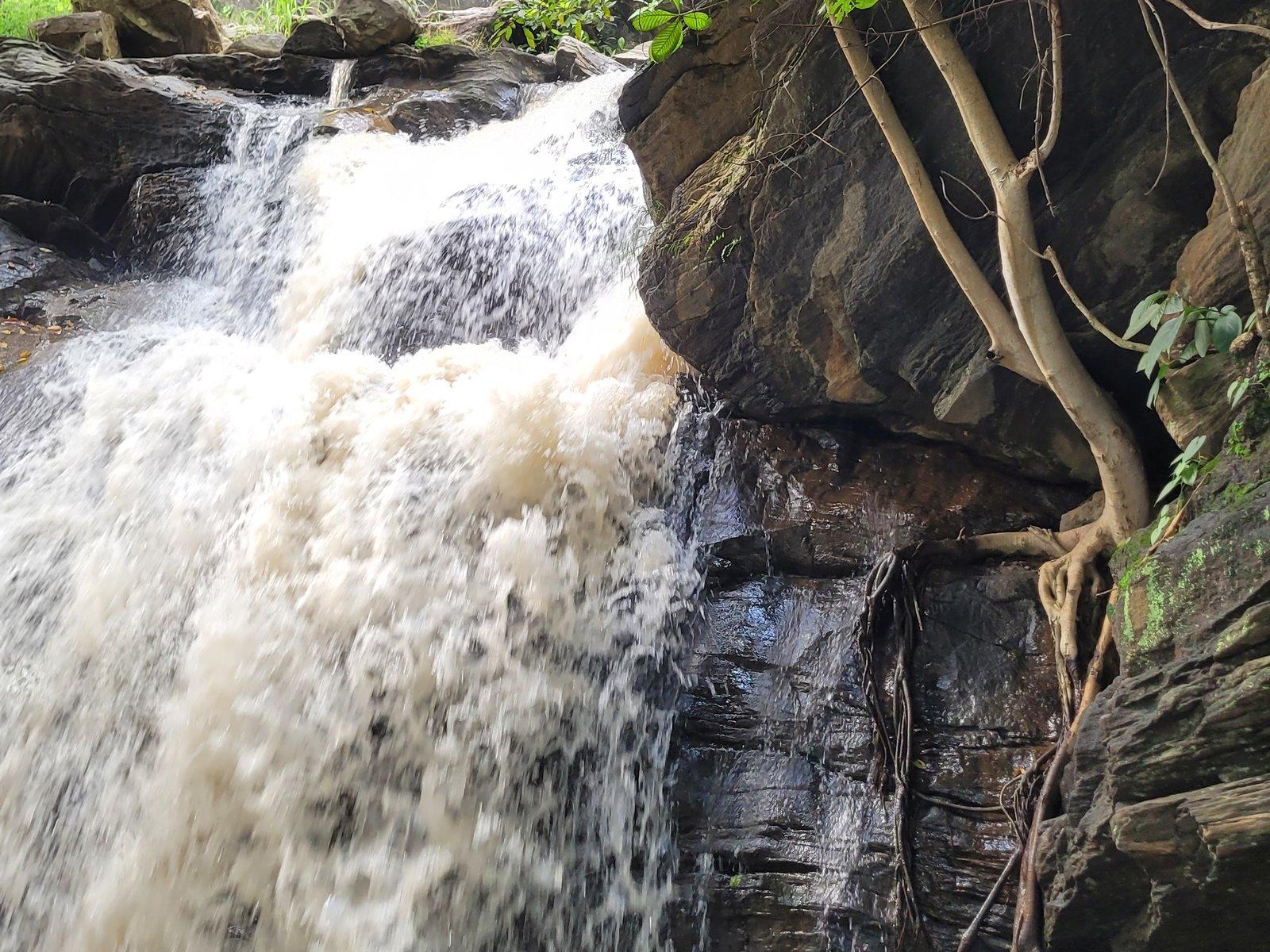
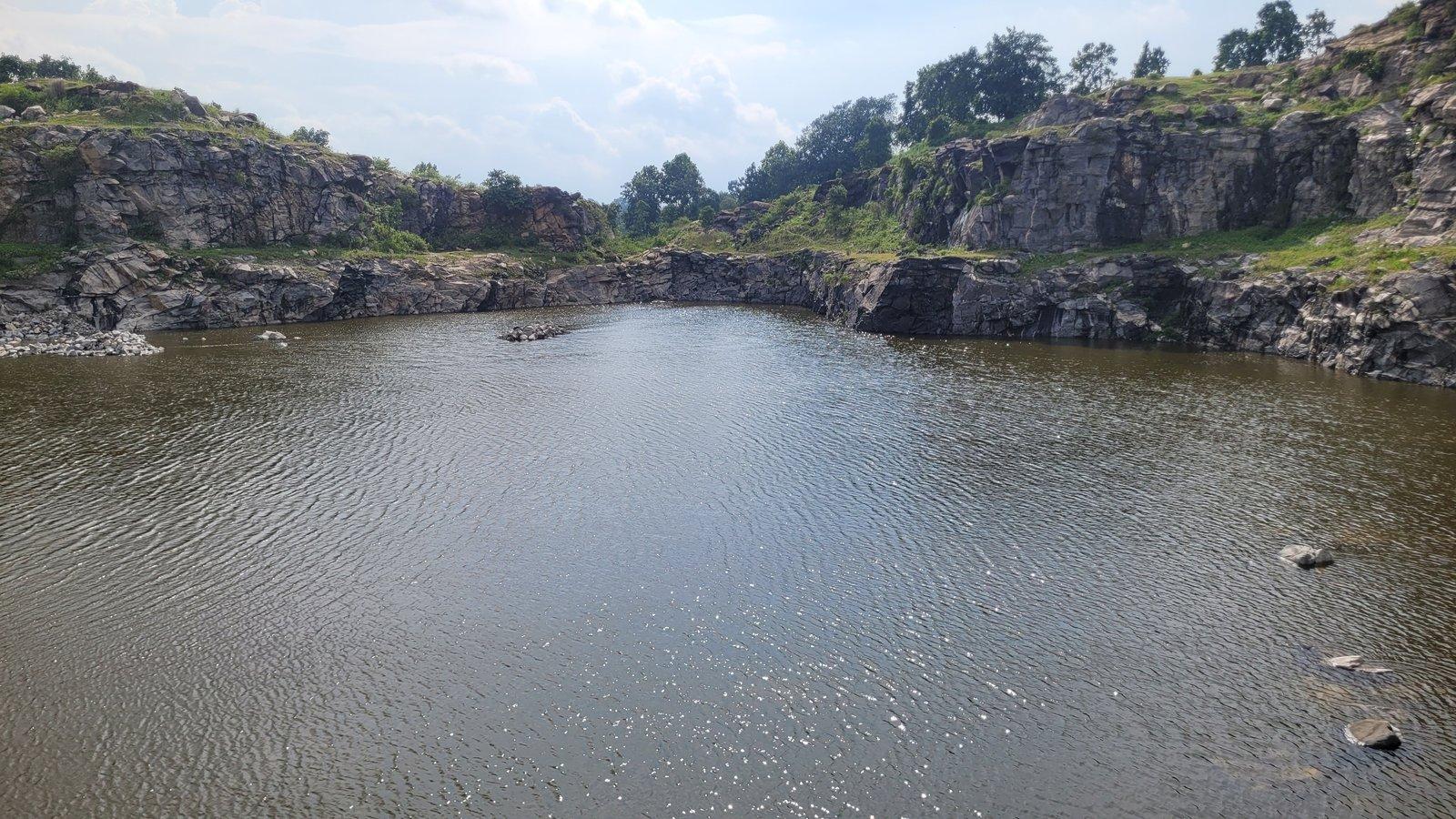
This is the most important tip on the list. At Bamni Falls the rocks are slippery, the edges unguarded and the stream can rise within minutes; in July 2019 police rescued two college students caught by a flash flood while bathing there. The district gives the depth of Marble Lake as about 40 feet, enclosed by steep rock.
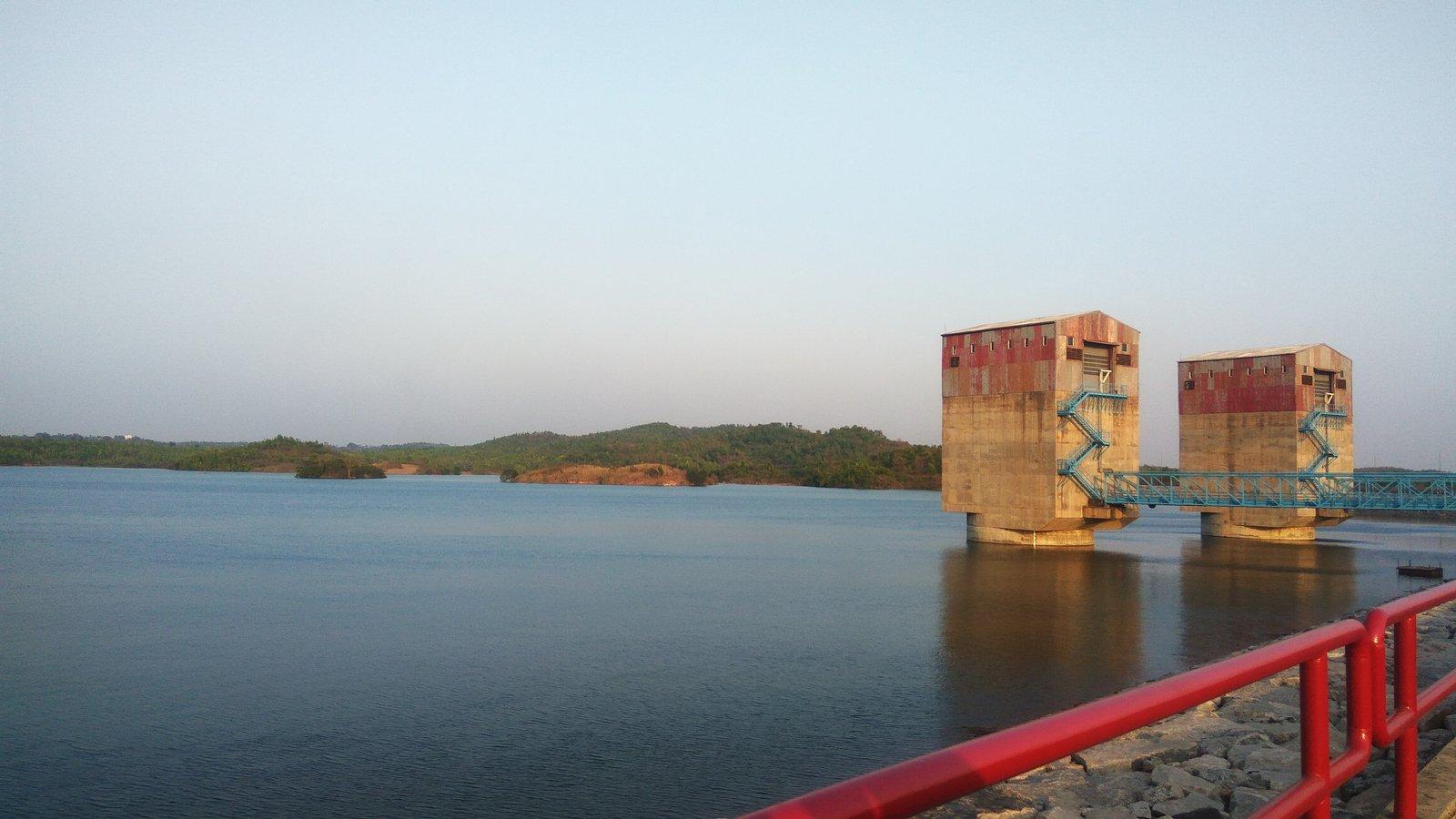
The Upper and Lower Dams belong to the Purulia Pumped Storage Project, a working power station. Water is cycled between the two reservoirs, so levels change: the upper lake is designed to rise and fall by up to about 22 m. Keep off the embankment slopes, stay back from the water's edge and follow any instructions from the power company's staff. Our waterfalls guide has more on each fall.
9. Medical help is basic in the hills
There is a 12-bed primary health centre on Ajodhya Hill Top and a 30-bed rural hospital at Pathardihi, near Bagmundi, at the foot of the hills. For anything serious you will be heading to Purulia town. Bring your regular medicines and a simple first-aid kit; our list of what to pack for Purulia covers the rest.
Respecting people and places
10. Villages are homes, not sights
Most villages on the Ajodhya plateau are Adivasi, home to Santal, Bhumij and other communities, and village life carries on whether or not visitors are watching. Ask before photographing people, homes, shrines or rituals, and take no for an answer. Keep your voice and music down near houses, stay on paths through fields, and don't hand out sweets or money to children. For background, read our piece on Santal culture in Purulia.
11. Buy crafts from the people who make them
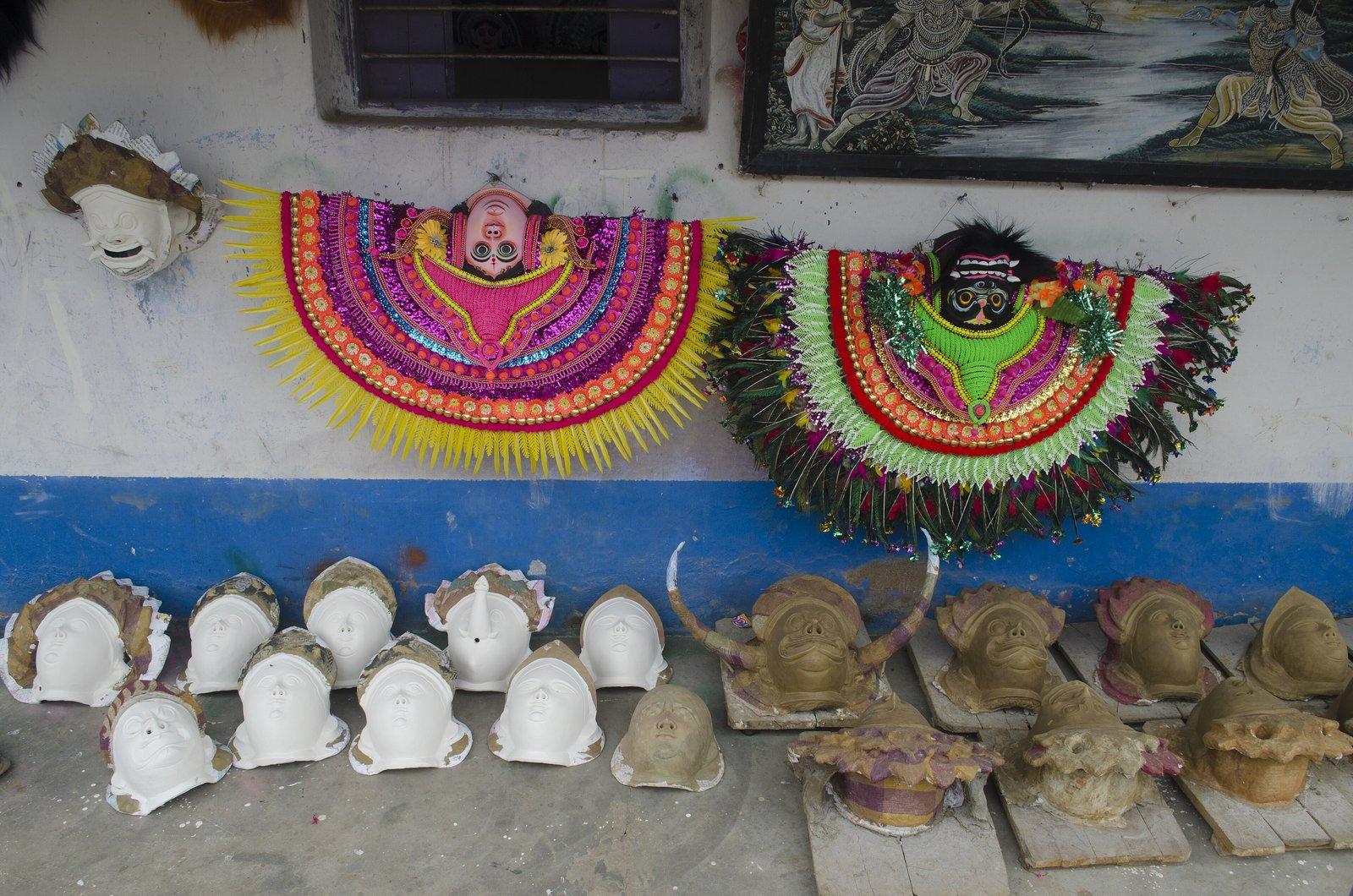
At Charida, about 10 km from our resort, more than a hundred families make Chhau masks in open-fronted workshops along the main road. Buying directly from the maker means the money stays with them. Prices vary with size and work: in 2019 artisans quoted about ₹20 for the smallest pieces and up to ₹5,000 for large dance masks, and they will have moved since. Bargain gently, if at all.
12. Treat sacred and old places with care
Sita Kund, the spring near Ajodhya Hill Top, is a place of worship for local communities, as are the many small hill shrines. Take your shoes off where others do and keep the water clean. At the old brick temples of Deulghata, admire the towers from the ground: one collapsed in 2002, and the brickwork is fragile.
13. Take your litter home
Villagers near the dams say plastic left by picnickers has killed their cattle. Carry a bag for your rubbish, bring a refillable water bottle and leave picnic spots cleaner than you found them. Loud music carries a long way in these hills, so leave the speaker in the car.
Guides and language
14. Local guides know the hills
Some of the best places are poorly signposted or barely mapped, among them the small dams and temples off the main circuit. A local guide or a driver who knows the area saves time and finds things you would miss. At Pakhi Pahar, women from nearby villages work as guides to the carved hill, and the fee supports their households. Rangamati can arrange a local guide and sightseeing cabs on request; see our experiences page.
15. A few words of Bengali help
At the 2011 census about 81% of the district's people gave Bengali as their first language, 11% Santali and 5% Kurmali. Drivers and shopkeepers usually manage in Hindi, but a few words of Bengali are always welcome:
- Nomoshkar: hello
- Dhonnobad: thank you
- Eta koto?: how much is this?
- Ar koto dur?: how much further?
- Chhobi tulte pari?: may I take a photo?
- Johar: a greeting you will hear in many Adivasi villages
Before you set out
A quick checklist for the morning of a hill day: cash in small notes, a charged phone with offline maps, two litres of water per person, shoes with grip, a bag for litter, and a plan to be back before dark. With those sorted, the rest of a Purulia trip is about slowing down. If you are still choosing a base, our guide to where to stay in Purulia compares the hill top, the foothills and the towns.