At a glance
- The central government's 2027 holiday list puts Holi on Tuesday 23 March; Bengal's Dol can fall on the same day or the day before.
- Spring in Purulia brings three celebrations together: Dol Jatra, Basanta Utsav programmes and the Santal flower festival, Baha.
- Many Santal families mark Baha by sprinkling water, not colour, so never take colour into a village uninvited.
- Holi opens the Chhau season: the district's Gajan, also called Chhow Parab, runs from mid-March to the end of May.
- Rooms across Purulia have sold out two or three days before Dol, so book weeks ahead and buy labelled herbal colours.
Holi in Purulia arrives with the palash. The central government's 2027 holiday list puts Holi on Tuesday 23 March, and in Bengal, Dol Jatra falls on the Phalgun full moon, on the same day or the day before. Here the festival is a mix of Dol and Basanta Utsav celebrations at resorts and in towns, the Santal flower festival Baha in the villages and the start of the Chhau season, with every room in the district in demand.
When is Holi in Purulia in 2027?
Holi begins on the evening of the Phalgun full moon and runs through the next day; the night before is Holika Dahan, when people gather round a bonfire. The Government of India's 2027 list of holidays, issued in July 2026, gives Holi as Tuesday 23 March 2027.
Bengal's own calendar can differ by a day. In 2025 the West Bengal government listed Doljatra and Holi on the same day, 14 March. In 2026 its notification put Doljatra on 3 March and "Holi (Day after Doljatra)" on 4 March. The state's 2027 list had not been published when we checked in November 2026; the 2026 list came out in late November 2025.
In practice, plan for two nights around the full moon, arrive at least a day before Dol, and confirm the date before you book trains.
Dol, Basanta Utsav and Baha: Purulia's spring festivals
Dol Jatra
Dol Jatra, or Dol Purnima, is the swing festival of Bengal's Vaishnavas: images of Radha and Krishna are placed on a decorated swing and smeared with abir. Tradition credits Chaitanya Mahaprabhu with starting it in Bengal.
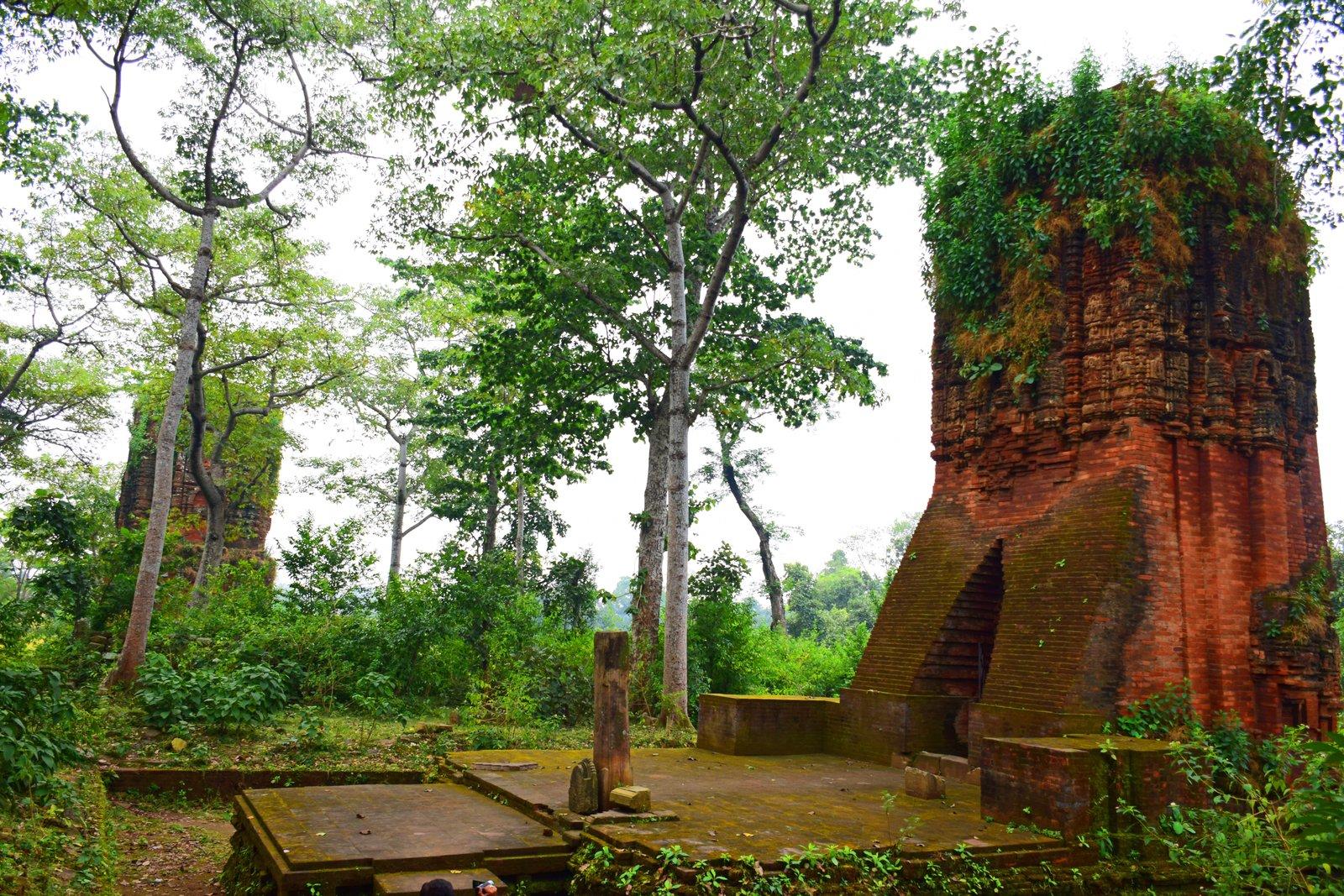
In Purulia you will see it in towns, temples and households. The ruined brick towers of Deulghata, 44 km from the resort, are a good example: Outlook Traveller describes the site as desolate and deep in the forest for most of the year, but alive during Dol Jatra and the Tusu festival.
Basanta Utsav
Basanta Utsav, the spring festival, is the name Santiniketan gives to Holi, where students in saffron or white sing and dance on Dol morning while onlookers throw abir. Sangbad Pratidin reported in 2018 that many Bengali travellers were swapping a Santiniketan spring for Purulia's palash hills.
In Purulia, Basanta Utsav is not one public event. Resorts, cottages and local organisations hold their own programmes of songs, dance and dry colour around Dol, as Sangbad Pratidin described in 2024. Ask where you are staying what is planned that year.
Baha, the Santal flower festival
The district administration lists Baha as the spring festival of the Santals, with night-long song and dance. Flowers and leaves of the sal tree are offered at the Jaherthan, the sacred grove, and people dance to the madal and tamak drums. Sangbad Pratidin noted in 2024 that Baha had begun in mid-Phalgun, so it overlaps with the Dol season.
Baha is not Holi. Writing about her own village, the Santal writer Phulmani Murmu describes people sprinkling water on each other the day after the main celebration, without the coloured powder used at Holi. Our guide to Santhal culture in Purulia explains how to visit respectfully.
Palash and herbal colours
The palash, or flame of the forest, has long been one of the traditional sources of red and orange Holi colour. The trees are usually at their best in March, so a Holi trip is also a palash trip; our palash season guide covers where to see them around the Ajodhya Hills.
Bought colours are another matter. Studies cited on Holi's health effects found a synthetic green dye that caused eye irritation in Delhi (2007) and metal-based industrial dyes that increased skin problems after the festival (2009), often sold unlabelled. In 2024, some Purulia tourism operators told Sangbad Pratidin they would use herbal abir and keep celebrations eco-friendly to protect the palash.
- Buy labelled herbal colours from a shop you trust before you travel.
- Prefer dry abir to wet colours and pastes.
- Don't strip palash trees to make your own colour; in the dry months the flowers are an important source of nectar for birds and insects.
- Keep phones and cameras in a zip-lock bag.
Where to spend Holi around the Ajodhya Hills
Most visitors want colour and palash in the same day, and a few places deliver both.
- The Ajodhya plateau and its foothills. Sangbad Pratidin's 2024 Dol report named Ajodhya Hill and the country at its foot as the main draw, with visitors camping in tents to be among the palash. Our Ajodhya Hills travel guide covers the spots and routes.
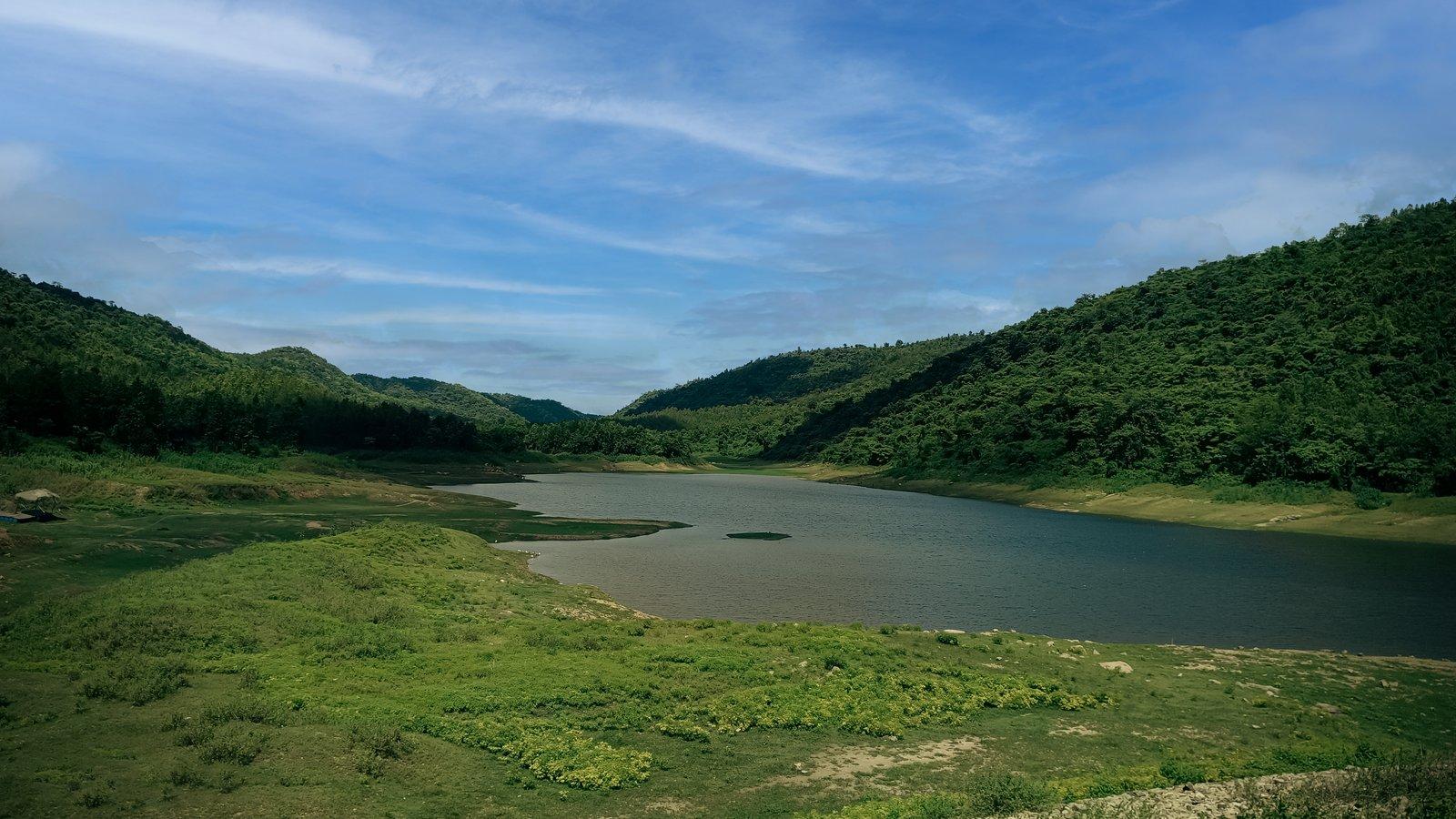
- Khairabera Dam, 22 km from the resort. The palash trees round Khairabera's reservoir are usually at their best around Holi, and the lake is quieter than the plateau.
- Deulghata, 44 km away. The temple ruins fill with people for Dol Jatra, which makes it a place to see the local festival rather than a private one.
- The Matha forest, on the resort's doorstep. Palash grows among the sal and teak here, so a drive or walk along the forest road after sunrise can show you the bloom before the day's colour begins.
Further south, the forest village of Duarsini in Bandwan block is known for palash, and Sangbad Pratidin reported its rooms full over Dol in 2018.
Chhau, Jhumur and folk music in spring
Holi in Purulia opens the season of the region's most famous art. UNESCO, which inscribed Chhau as intangible heritage in 2010, describes it as closely tied to the spring festival Chaitra Parva and performed at night in an open space. The district administration lists the Shiva Gajan, also called Chhow Parab, as running from mid-March to the end of May.
One date worth knowing is the Gajan and Charak fair at Lahariya Shib Mandir, 10 km from the resort. It ends on Chaitra Sankranti in mid-April, with an all-night Chhau performance the night before, and draws thousands from Purulia and Jharkhand. Our Purulia Chhau guide explains the dance and its masks.
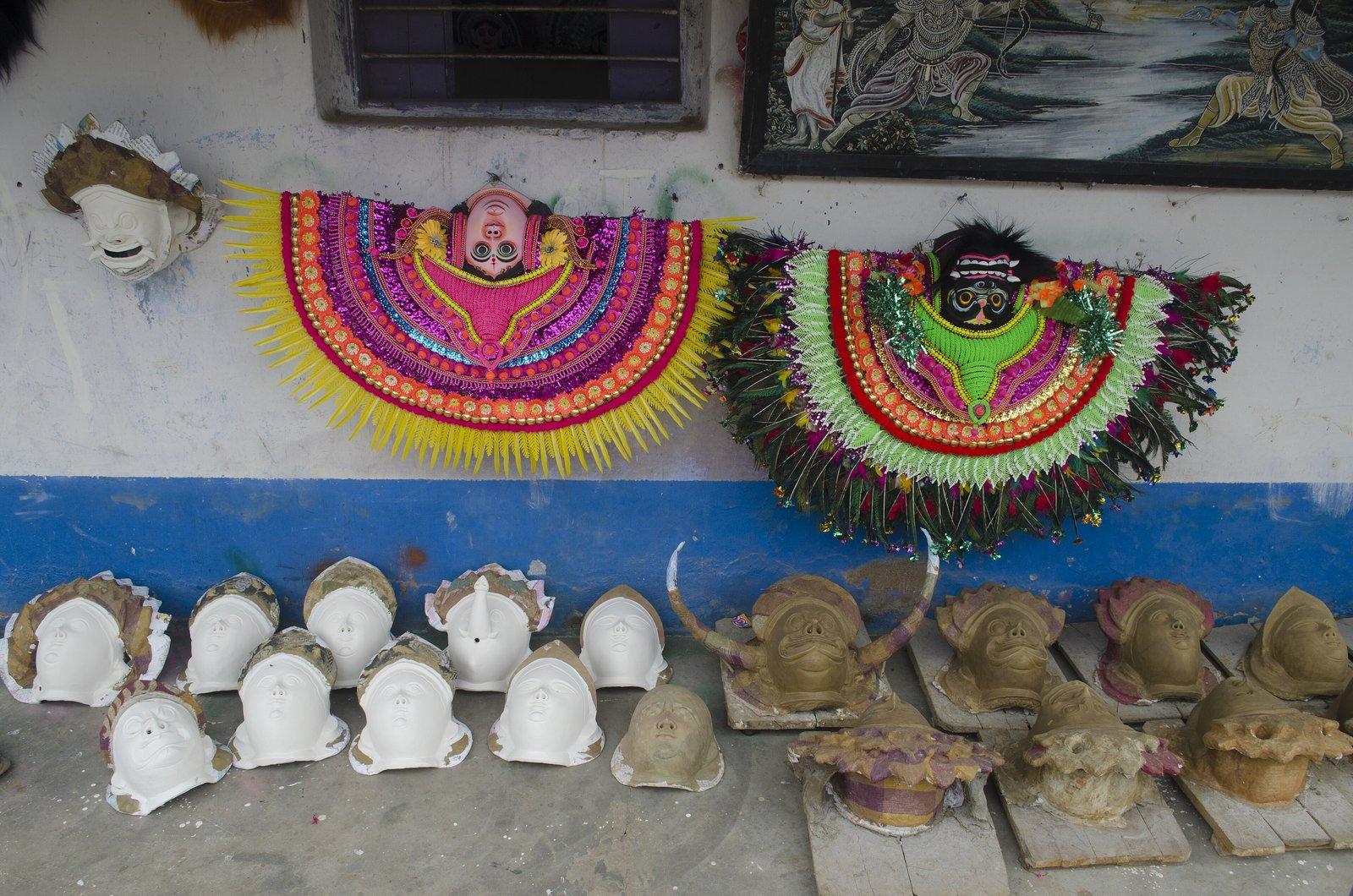
Music is part of spring too. West Bengal Tourism notes that different Jhumur songs are sung at different times of the year; read more in our piece on Jhumur, the folk songs of Manbhum. The mask makers of Charida, 10 km away, hold a mask festival in winter or early spring, and one edition ran from 9 to 11 March, so check that year's dates locally.
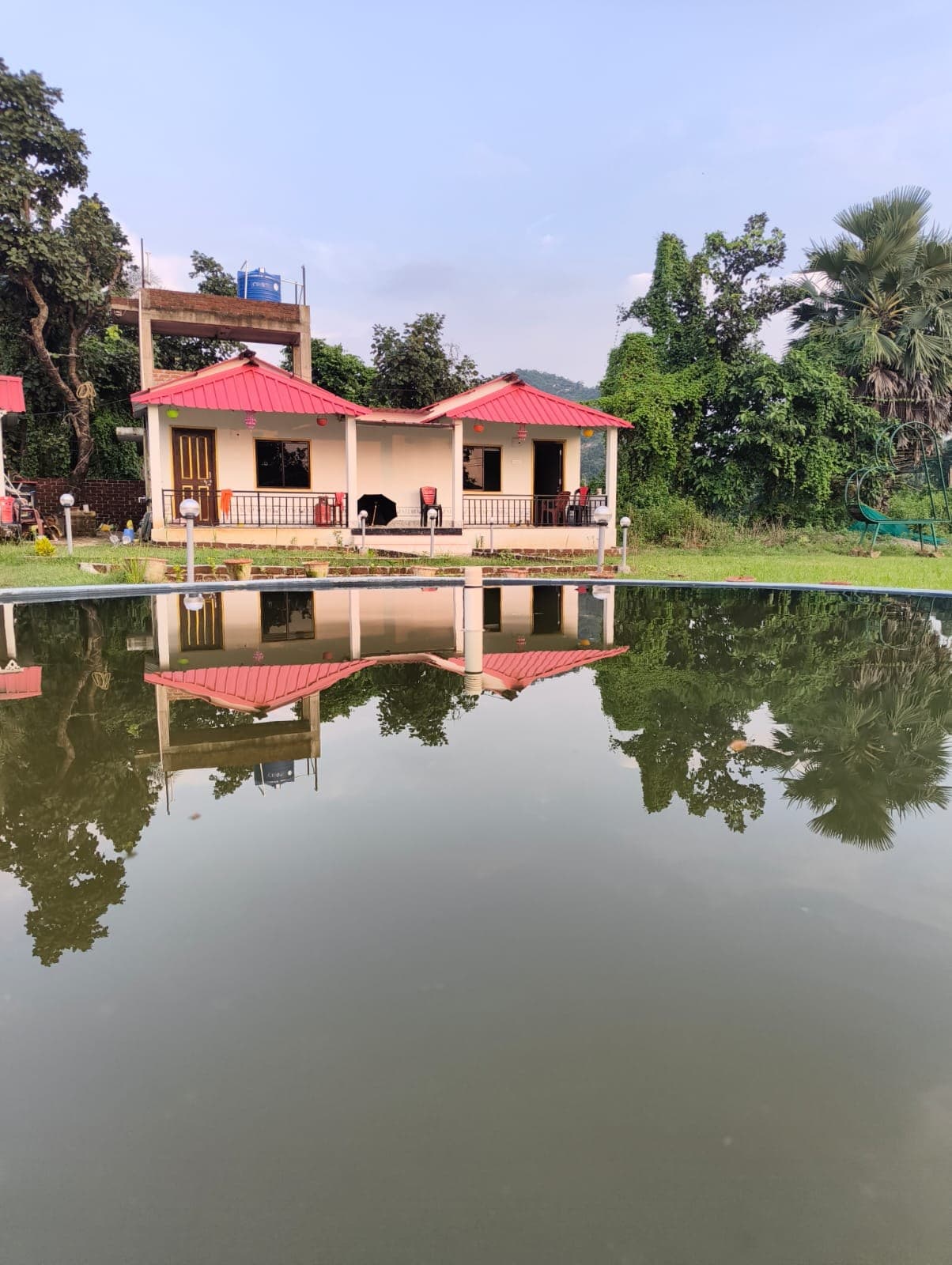
At Rangamati, a Chhau performance, Santhali dance or Baul sangeet can be arranged for guests on request; these are chargeable, so ask when you book. See our experiences page for details.
Holi etiquette in Purulia
Purulia's villages are home to Adivasi and other communities with their own customs, and a little care goes a long way.
- Ask before you colour anyone. Not everyone celebrates Holi, and a Santal village marking Baha may not want colour at all.
- Don't arrive uninvited at rituals. Baha, Dol puja and Gajan rites are worship, not shows. Watch from a respectful distance unless you are asked to join.
- Ask before photographing people, especially women, children and anyone at prayer.
- Keep colour out of water. Don't wash off in ponds, springs or reservoirs; Sita Kund on the plateau is a place of worship.
- Keep the volume down. Loud speakers carry a long way in the hills and disturb villages and wildlife alike.
- Take your rubbish back, including empty colour packets and plastic.
- Don't light fires in the forest. Spring is forest-fire season in Purulia.
Planning a Holi trip to Purulia
Book early. Sangbad Pratidin reported Dol weekend stays across Purulia full in 2018, and in March 2024 it found hotels, resorts and government lodges booked out two or three days before Dol, with late arrivals asking for a veranda or a cot. Book train tickets early as well; our guide to Kolkata to Purulia by train covers the routes. The resort can arrange pickup from Barabhum or Purulia Junction station on request.
Expect warm, dry weather. IMD averages for Purulia town are about 33 °C by day and 20 °C at night in March, so pack a sun hat, light cotton clothes you don't mind staining, and plenty of water.
Holi is a holiday for drivers and guides too, so agree the day's plan in advance. A good shape for the day is a palash drive in the early morning, a slow afternoon in the shade, and an evening of music or a folk performance once the colour has been washed off.